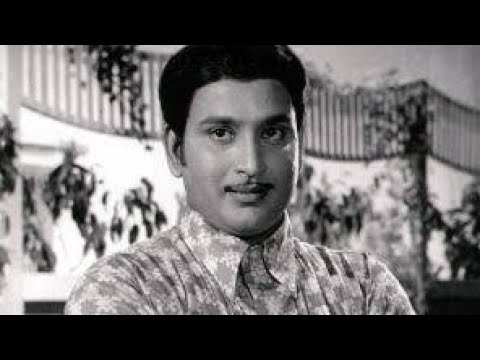
Aalukkoru Mutham Indha Lyrics
From the movie Thanga Thambi
Aalukkoru Mutham Indha Song Lyrics is the track from Thanga Thambi Tamil Film – 1967. This song was sung by பி. சுஷீலா. The music was composed by K. V. Mahadevan. Lyrics works penned by Vaali.
Track Credits & Star Cast
Music & Lyrics
Singers
Star Cast
Not Specified
Aalukkoru mutham indha Amma kananthilae
Naalukkoru kanavu Unga amma nenjathilae
Aalukkoru mutham indha Amma kananthilae
Naalukkoru kanavu Unga amma nenjathilae
Aalukkoru mutham indha Amma kananthilae
Pinju kaalgal nenjil pattaal Pani vizhundhadhu polae
Kodiyai vittu madiyil vandhu Kani vizhundhadhu polae
Pinju kaalgal nenjil pattaal Pani vizhundhadhu polae
Kodiyai vittu madiyil vandhu Kani vizhundhadhu polae
Anbu konda idhayathodu Pesum deivam pillai
Anbu konda idhayathodu Pesum deivam pillai
Anbillaadha veedu thedi Deivam varuvathillai
Anbillaadha veedu thedi Deivam varuvathillai
Aalukkoru mutham indha Amma kananthilae
Naalukkoru kanavu Unga amma nenjathilae
Aalukkoru mutham indha Amma kananthilae
Paal kodukkum bakkiyathai Nee koduthathu unmai
Petrredukkum karanathaal Perumai kolvadhu penmai
Paal kodukkum bakkiyathai Nee koduthathu unmai
Petrredukkum karanathaal Perumai kolvadhu penmai
Paasam endra puthagathil Arichuvadi pillai
Paasam endra puthagathil Arichuvadi pillai
Kudumbam endra palliyilae Padippaval thaan annai
Kudumbam endra palliyilae Padippaval thaan annai
Aalukkoru mutham indha Amma kananthilae
Naalukkoru kanavu Unga amma nenjathilae
Aalukkoru mutham indha Amma kananthilae
Song Meaning & Analysis
This song, "Aalukkoru Mutham Indha," from the 1967 film 'Thanga Thambi,' is a beautiful ode to motherhood and the profound bond between a mother and her children. Sung from the perspective of a mother, it expresses the immense joy and fulfillment children bring into her life. The lyrics metaphorically describe the children's presence as precious as dew drops and ripe fruits, highlighting the purity and sweetness they embody. It emphasizes that children are divine blessings, and a home filled with love is where true divinity resides.
The song further celebrates the essence of womanhood, finding its ultimate pride and purpose in the act of nurturing and giving birth. It portrays children as the very foundation of affection, the 'alphabet' in the 'book of love,' signifying their role as the beginning of all familial bonds. The mother, in turn, is depicted as a lifelong learner in the 'school of family,' constantly growing and evolving through her experiences of raising children. Overall, the song is a tender portrayal of maternal love, joy, and the sacredness of family.
Frequently Asked Questions
Who is the singer of Aalukkoru Mutham Indha?
Aalukkoru Mutham Indha is sung by பி. சுஷீலா.
Which movie is Aalukkoru Mutham Indha from?
The song Aalukkoru Mutham Indha is featured in the movie Thanga Thambi.
Who wrote the lyrics for Aalukkoru Mutham Indha?
The lyrics for Aalukkoru Mutham Indha were written by Vaali with music composed by K. V. Mahadevan.
Is English translation available for Aalukkoru Mutham Indha lyrics?
Yes! Aalukkoru Mutham Indha lyrics from Thanga Thambi include line-by-line English translation, English transliteration, and native Tamil script on Lyricsverse.
What is the meaning of Aalukkoru Mutham Indha lyrics?
This song, "Aalukkoru Mutham Indha," from the 1967 film 'Thanga Thambi,' is a beautiful ode to motherhood and the profound bond between a mother and her children. Sung from the perspective of a mother, it expresses the immense joy and fulfillment children bring into her life. The lyrics metaphorically describe the children's presence as precious as dew drops and ripe fruits, highlighting the purity and sweetness they embody. It emphasizes that children are divine blessings, and a home filled with love is where true divinity resides. The song further celebrates the essence of womanhood, finding its ultimate pride and purpose in the act of nurturing and giving birth. It portrays children as the very foundation of affection, the 'alphabet' in the 'book of love,' signifying their role as the beginning of all familial bonds. The mother, in turn, is depicted as a lifelong learner in the 'school of family,' constantly growing and evolving through her experiences of raising children. Overall, the song is a tender portrayal of maternal love, joy, and the sacredness of family.