Aarengum Lyrics
From the movie Manasukketha Maharasa
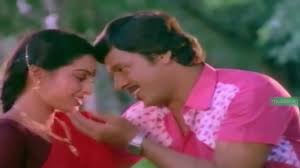
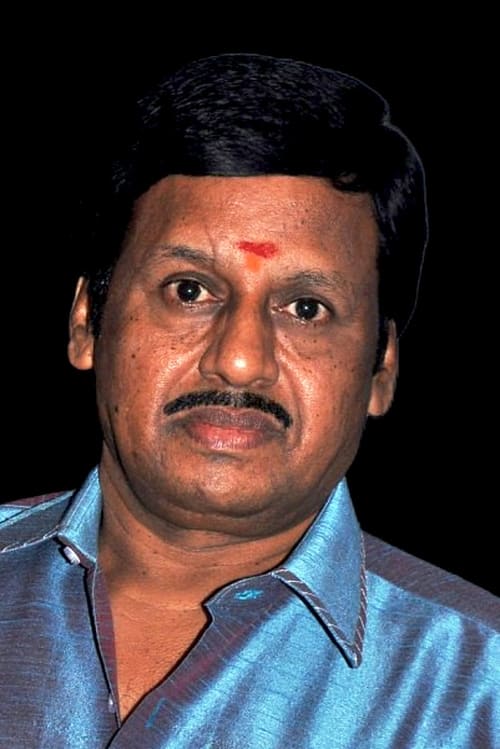
Aarengum Song Lyrics is the track from Manasukketha Maharasa Tamil Film – 1989, Starring Ramarajan, Seetha, Nizhalgal Ravi, Goundamani, Senthil, Vinu Chakravarthy, Madhuri, Chinni Jayanth, Peeli Sivam, Thideer Kannaiya. This song was sung by மனோ மற்றும் எஸ். ஜானகி. The music was composed by Deva. Lyrics works penned by Kalidasan.
Track Credits & Star Cast
Singers
Star Cast

Aarengum thaan uranga Aarukadal meen uranga
Srirengam thaan uranga Thiruvaana ka uranga
Naanuranga vazhi illaiyae rasa Ingae naathiyathu kidakkuthu un rosa
Aarengum thaan uranga Aarukadal meen uranga
Srirengam thaan uranga Thiruvaana ka uranga
Naanuranga vazhi illaiyae maanae Iraivan naadagathil oomaiyadi naanae
{Saada ezhuthi vachcha Saanthu suvaththilellam
Aadi mazhai adichu Athanaiyum karainchuruchu} (2)
{Thaangalaiyae thaangalaiyae Aasa vacha indha manam} (2)
Vaazha vechu pakkalaiyae Serndhu iruntha ooru sanam
Aarengum thaan uranga Aarukadal meen uranga
Srirengam thaan uranga Thiruvaana ka uranga
Naanuranga vazhi illaiyae rasa Ingae naathiyathu kidakkuthu un rosa
Maman adichaanae Malliyapoo sendaala
Aththa adichaalo allipoo sendaala Yaar adichaasolli azhu
Neer adicha neer velagum laali
{Kaathu mella thottaalumae Karuthae thaan pogumunnu
Pothi vacha rosa poova poduvena veiyilila} (2)
{Sembukkulla adangidumaa Ganga nadhi neeru} (2)
Chanthiranum kalangumunu Sonnathu thaan nammooru
Aarengum thaan uranga Aarukadal meen uranga
Srirengam thaan uranga Thiruvaana ka uranga
Naanuranga vazhi illaiyae maanae Iraivan naadagathil oomaiyadi naanae
Aarengum thaan uranga Aarukadal meen uranga
Srirengam thaan uranga Thiruvaana ka uranga
Naanuranga vazhi illaiyae rasa Ingae naathiyathu kidakkuthu un rosa
Song Meaning & Analysis
The song 'Aarengum' is a poignant lament from two lovers, expressing their profound sorrow and inability to find peace or sleep amidst their troubles. The male voice addresses his beloved as a 'rose' that lies 'helpless,' indicating her suffering, while the female voice feels like a 'mute' in 'God's play,' signifying her powerlessness and inability to voice her pain or alter her fate. The contrast between the sleeping rivers, seas, and sacred places like Srirangam and Thiruvanaikka, and their own sleeplessness, underscores the depth of their distress and isolation.
The lyrics further explore themes of lost hopes and societal interference. The imagery of writings on walls washing away by rain symbolizes broken promises or dreams shattered by external forces. The mention of 'the people of this village' not allowing them to live together points to community disapproval or familial opposition. The male's protective nature is evident in his concern for his beloved, fearing even gentle touches might harm her. Metaphors like the Ganges not fitting in a conch and the moon having blemishes suggest the impossibility of their situation or the inherent flaws in even the purest of things, reflecting their struggle against insurmountable odds.
Frequently Asked Questions
Who is the singer of Aarengum?
Aarengum is sung by மனோ மற்றும் எஸ். ஜானகி.
Which movie is Aarengum from?
The song Aarengum is featured in the movie Manasukketha Maharasa.
Who wrote the lyrics for Aarengum?
The lyrics for Aarengum were written by Kalidasan with music composed by Deva.
Is English translation available for Aarengum lyrics?
Yes! Aarengum lyrics from Manasukketha Maharasa include line-by-line English translation, English transliteration, and native Tamil script on Lyricsverse.
What is the meaning of Aarengum lyrics?
The song 'Aarengum' is a poignant lament from two lovers, expressing their profound sorrow and inability to find peace or sleep amidst their troubles. The male voice addresses his beloved as a 'rose' that lies 'helpless,' indicating her suffering, while the female voice feels like a 'mute' in 'God's play,' signifying her powerlessness and inability to voice her pain or alter her fate. The contrast between the sleeping rivers, seas, and sacred places like Srirangam and Thiruvanaikka, and their own sleeplessness, underscores the depth of their distress and isolation. The lyrics further explore themes of lost hopes and societal interference. The imagery of writings on walls washing away by rain symbolizes broken promises or dreams shattered by external forces. The mention of 'the people of this village' not allowing them to live together points to community disapproval or familial opposition. The male's protective nature is evident in his concern for his beloved, fearing even gentle touches might harm her. Metaphors like the Ganges not fitting in a conch and the moon having blemishes suggest the impossibility of their situation or the inherent flaws in even the purest of things, reflecting their struggle against insurmountable odds.