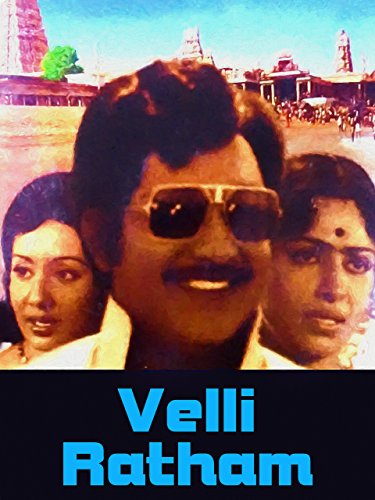
Adhukku Piraguthan Adhu Lyrics
From the movie Velli Ratham
Adhukku Piraguthan Adhu Song Lyrics is the track from Velli Ratham Tamil Film – 1979. This song was sung by எஸ். ஜானகி மற்றும் டி. எம். சௌந்தராஜன். The music was composed by M. S. Vishwanathan.
Track Credits & Star Cast
Music & Lyrics
Singers
Star Cast
Not Specified
Adharkku piragu thaan adhu
Hahaan …edharkku piraguthaan yedhu
Adharkku piragu thaan adhu
Hmm …edharkku piraguthaan yedhu
Idharkku melum naan vilakka thevaiyaa Konja kaalam nee poru poru poru
Adharkku piragu thaan adhu
Edharkku piraguthaan yedhu
Idharkku melum naan vilakka thevaiyaa Konja kaalam nee poru poru poru
Unakku mattumaa enakkum koodathaan Irukku kodi aasai
Deiva sannadhi thirakkum munnamae Seiya koodumoo poojai
Unakku mattumaa enakkum koodathaan Irukku kodi aasai
Deiva sannadhi thirakkum munnamae Seiya koodumoo poojai
Oru panjaangam pakkattumaa Illai aarudam kettkattuma
Adi ponnaana neram idhu naan Sollamal yaar sonnadhu
Adharkku piragu thaan adhu
Edharkku piraguthaan yedhu
Idharkku melum naan vilakka thevaiyaa Konja kaalam nee poru poru poru
Paruva nadagam arangam yerida Tharunam enna thevai
Pallipaadam naan solli tharugaiyil Thalli selvadhoo paavai
Adhu pennodu undaanadhu En pirappodu uruvaanadhu
Maanam uyiraana penmai idhu Mannan unaraadha unmaiyidhu
Adharkku piragu thaan adhu
Edharkku piraguthaan yedhu
Idharkku melum naan vilakka thevaiyaa Konja kaalam nee poru poru poru
Maalai mandhiram manjal kumkkumam Naalum kaana vendum
Ketti melangal kottiyaana pin Kattil aasaigal thondrum
Maalai mandhiram manjal kumkkumam Naalum kaana vendum
Ketti melangal kottiyaana pin Kattil aasaigal thondrum
Adhai eppodhu naan kaanbadhu Adi ippodhu innavadhu
Andha kalyaana kaalam varai Solla koodatho kaadhal kadhai
Adharkku piragu thaan adhu
Edharkku piraguthaan yedhu
Idharkku melum naan vilakka thevaiyaa Konja kaalam nee poru poru poru
Song Meaning & Analysis
This song from 'Velli Ratham' captures a playful yet profound conversation between a man and a woman about the timing and nature of their intimacy. The man, eager and impatient, hints at his desires with the recurring line "Only after that, it will happen," implying a natural progression of love. He questions the need for further explanation and urges her to wait, suggesting that certain joys are inevitable once the right moment arrives. His verses express a longing for immediate fulfillment, wondering why the "play of youth" needs a specific occasion and why she holds back when he's ready to teach her the "lessons of love."
The woman, however, represents tradition, patience, and the sanctity of marriage. She acknowledges her own "million desires" but firmly states that just as one cannot perform worship before the temple opens, certain desires must await the proper rituals. She emphasizes the importance of "maanam" (honor) in womanhood and insists on the sequence: garland, sacred chants, turmeric, vermilion, and the beating of wedding drums must precede any physical intimacy. Her stance highlights the cultural value placed on marriage as the legitimate gateway to conjugal love, a truth she feels the man, in his eagerness, fails to fully grasp. The song beautifully portrays this classic romantic dilemma, where passion meets propriety, culminating in the man's plea to at least share their love story until the wedding.
Frequently Asked Questions
Who is the singer of Adhukku Piraguthan Adhu?
Adhukku Piraguthan Adhu is sung by எஸ். ஜானகி மற்றும் டி. எம். சௌந்தராஜன்.
Which movie is Adhukku Piraguthan Adhu from?
The song Adhukku Piraguthan Adhu is featured in the movie Velli Ratham.
Who wrote the lyrics for Adhukku Piraguthan Adhu?
The lyrics for Adhukku Piraguthan Adhu were written by Unknown with music composed by M. S. Vishwanathan.
Is English translation available for Adhukku Piraguthan Adhu lyrics?
Yes! Adhukku Piraguthan Adhu lyrics from Velli Ratham include line-by-line English translation, English transliteration, and native Tamil script on Lyricsverse.
What is the meaning of Adhukku Piraguthan Adhu lyrics?
This song from 'Velli Ratham' captures a playful yet profound conversation between a man and a woman about the timing and nature of their intimacy. The man, eager and impatient, hints at his desires with the recurring line "Only after that, it will happen," implying a natural progression of love. He questions the need for further explanation and urges her to wait, suggesting that certain joys are inevitable once the right moment arrives. His verses express a longing for immediate fulfillment, wondering why the "play of youth" needs a specific occasion and why she holds back when he's ready to teach her the "lessons of love." The woman, however, represents tradition, patience, and the sanctity of marriage. She acknowledges her own "million desires" but firmly states that just as one cannot perform worship before the temple opens, certain desires must await the proper rituals. She emphasizes the importance of "maanam" (honor) in womanhood and insists on the sequence: garland, sacred chants, turmeric, vermilion, and the beating of wedding drums must precede any physical intimacy. Her stance highlights the cultural value placed on marriage as the legitimate gateway to conjugal love, a truth she feels the man, in his eagerness, fails to fully grasp. The song beautifully portrays this classic romantic dilemma, where passion meets propriety, culminating in the man's plea to at least share their love story until the wedding.