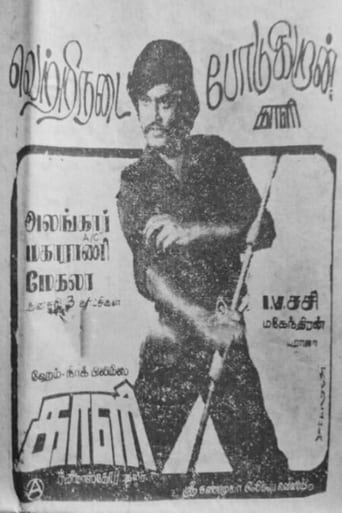
Adi Aadu Lyrics
From the movie Kaali (1980 )
Adi Aadu Song Lyrics is the track from Kaali (1980 ) Tamil Film – 1980, Starring Rajinikanth, Vijayakumar, Seema, Fatafat Jayalakshmi, Major Sundarrajan, Manorama, Suruli Rajan, Vennira Aadai Nirmala, Kaikala Satyanarayana, Shubha. This song was sung by மலேசியா வாசுதேவன். The music was composed by Ilayaraja. Lyrics works penned by Kannadasan.
Track Credits & Star Cast
Music & Lyrics
Singers
Star Cast


Lala laala laalalalaa Lala laala laalalalaa
Laalaa lalalaalaa laalaa Laalaa lalalaalaa laalaa
Laalaa lalalaalaa laalaa Laalaa lalalaalaa laalaa
Adi aadu poongodiyae Vilaiyaadu poongodiyae
Paasam oru dheivam Pesadi kiliyae Paasam oru dheivam Pesadi kiliyae
Laalaa lalalaalaa laalaa Laalaa lalalaalaa laalaa
Mazhalai manigal kalai koyil sirpangal
Mazhalai manigal kalai koyil sirpangal
Manathil isaikkum pon vandugal ivai
Deva thaththuvangal en aasai chiththirangal
En vaazhkkaiyae intha pookkalai Dhinam kaakkum sevai ondruthaan
Paasam oru dheivam pesadi kiliyae
Lala laala laalalalaa Lala laala laalalalaa
Amutham pozhiyum kaar kaala megangal Amutham pozhiyum kaar kaala megangal
Anaiththaal ulagae marukkindrathe Naan pennai kandavanaa
Oru pillai pettravanaa
En vaazhkkaiyae Intha pookkalai Dhinam kaakkum sevai ondruthaan
Paasam oru dheivam pesadi kiliyae
Lala laala laalalalaa Lala laala laalalalaa
Kadavul paadum aanandha raagangal Kadavul paadum aanandha raagangal
Kalangam ariyaa kadal sangugal Ivai paarkkum paarvaiyilae
Pala paavam theernthu vidum
En vaazhkkaiyae Intha pookkalai Dhinam kaakkum sevai ondruthaan
Paasam oru dheivam pesadi kiliyae
Laala lala laalalalaa Laala lala laalalalaa
Adi aadu poongodiyae Vilaiyaadu poongodiyae
Laala lala laalalalaa Laala lala laalalalaa
Male and Chorus : Laala lala laalalalaa Laala lala laalalalaa
Song Meaning & Analysis
This song is a heartfelt ode to the innocence and purity of children, portraying them as divine blessings and the ultimate source of joy. The singer expresses a profound sense of purpose in nurturing and protecting these 'flower creepers' and 'childhood gems,' likening them to art, golden bees, and divine philosophies. The lyrics emphasize that the affection for children is a sacred, god-like emotion, capable of making one forget the world's worries and even absolving sins through their pure gaze.
The emotional core of the song lies in the overwhelming joy and sense of fulfillment derived from the presence of children. The rhetorical questions, "Have I seen a woman? Have I fathered a child?", highlight a deep, almost spiritual connection that transcends conventional relationships, suggesting that the love for these innocent beings is so consuming it makes one forget everything else. It's a celebration of parental or guardian love, framing it as a selfless service and a path to spiritual cleansing and happiness.
Frequently Asked Questions
Who is the singer of Adi Aadu?
Adi Aadu is sung by மலேசியா வாசுதேவன்.
Which movie is Adi Aadu from?
The song Adi Aadu is featured in the movie Kaali (1980 ).
Who wrote the lyrics for Adi Aadu?
The lyrics for Adi Aadu were written by Kannadasan with music composed by Ilayaraja.
Is English translation available for Adi Aadu lyrics?
Yes! Adi Aadu lyrics from Kaali (1980 ) include line-by-line English translation, English transliteration, and native Tamil script on Lyricsverse.
What is the meaning of Adi Aadu lyrics?
This song is a heartfelt ode to the innocence and purity of children, portraying them as divine blessings and the ultimate source of joy. The singer expresses a profound sense of purpose in nurturing and protecting these 'flower creepers' and 'childhood gems,' likening them to art, golden bees, and divine philosophies. The lyrics emphasize that the affection for children is a sacred, god-like emotion, capable of making one forget the world's worries and even absolving sins through their pure gaze. The emotional core of the song lies in the overwhelming joy and sense of fulfillment derived from the presence of children. The rhetorical questions, "Have I seen a woman? Have I fathered a child?", highlight a deep, almost spiritual connection that transcends conventional relationships, suggesting that the love for these innocent beings is so consuming it makes one forget everything else. It's a celebration of parental or guardian love, framing it as a selfless service and a path to spiritual cleansing and happiness.