
Aram Seiya Lyrics
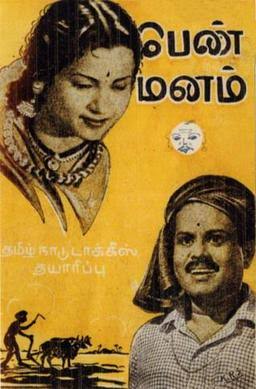
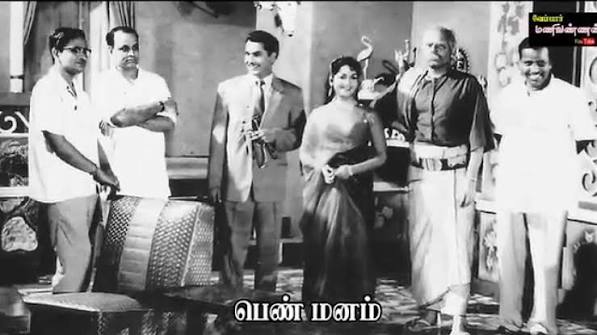
From the movie Penn Manam Tamil
Aram Seiya Song Lyrics is the track from Penn Manam Tamil Tamil Film – 1952. This song was sung by ஏ. பி. கோமளா மற்றும் டி. ஏ. மோத்தி.
Track Credits & Star Cast
Music & Lyrics
Singers
Star Cast
Not Specified
Singers : A. P. Komala and T. A. Mothi
Music Director : Kunnakudi Venkat Rama Iyer
Lyricist : Thanjai N. Ramaiah Dass
Aranjeiya virumbhu aaruvadhu sinam Avvai sonnaalae
Paatti avvai sonnaalae
Aranjeiya virumbhu aaruvadhu sinam Ammaa sonnaalae
Paatti ammaa sonnaalae
Aarum naalum irupathi naalu Idhu aaraam vaaipaadu
Idhu aaraam vaaipaadu Adupaangarai thanil soraakkidum
Unakkaeno vaaipaadu Unakkaeno vaaipaadu
Music :
Boomi urundai Poosanikkaai urundai
Karuppu sattai kaaran… Kaavalukku gettikaaran
Poottu Thani vottu
Music :
Lalala laalaalalala laaalaa Haa haa haa haa haa
Agara mudhala ezhuthellaam Aadhi bagavan mudhatre ulagu
Adhigam paditha pengal ellam Veen aadambaram seivadhae ulagam
Adhilae mayangi thulli Aan pillai yaaru
Mathilyaeri kalavaadum killaadi velu
Music :
Whistle :
Anbu muthi adhu aasaiyaanadhu Yaar melae yaar meale
Aasai muthi adhu kaadhal aanadhu En melae en melae
Music :
Anbu aasai deiveega kaadhale Adhuvae vaazhvinilae
Inbam tharum vaazhvinile Anbu aasai deiveega kaadhalae
Adhu vaazhvinilae Inbam tharum vaazhvinile
Music :
Song Meaning & Analysis
The song "Aram Seiya" from the 1952 film 'Penn Manam Tamil' is a fascinating blend of traditional wisdom, social commentary, and romantic sentiment, delivered with a playful and often satirical tone. It opens by referencing the ancient Tamil poet Avvaiyar's famous dictum, "Desire to do good, control anger," but then humorously twists it with a child-like misinterpretation involving "rasam" (a South Indian soup), highlighting a lighthearted approach to learning and tradition. The lyrics then shift to a domestic scene, questioning the need for complex arithmetic for someone cooking in the kitchen, subtly commenting on gender roles and practical knowledge versus formal education.
The song further delves into social observations, touching upon political symbols like the "man in the black shirt" and "separate vote," reflecting the socio-political climate of its time. A significant portion critiques educated women for perceived extravagance, contrasting it with the wisdom of ancient texts (Thirukkural) and introducing a mischievous character, Velu. Towards the end, the song transitions into a more romantic theme, exploring the progression from love to desire and then to divine love, emphasizing its role in bringing joy to life. This eclectic mix of themes—from moral teachings and domestic life to political allusions, social critique, and romantic philosophy—showcases the diverse narrative styles prevalent in early Tamil cinema, often using humor and wordplay to convey complex ideas.
Frequently Asked Questions
Who is the singer of Aram Seiya?
Aram Seiya is sung by ஏ. பி. கோமளா மற்றும் டி. ஏ. மோத்தி.
Which movie is Aram Seiya from?
The song Aram Seiya is featured in the movie Penn Manam Tamil.
Who wrote the lyrics for Aram Seiya?
The lyrics for Aram Seiya were written by Unknown with music composed by Unknown.
Is English translation available for Aram Seiya lyrics?
Yes! Aram Seiya lyrics from Penn Manam Tamil include line-by-line English translation, English transliteration, and native Tamil script on Lyricsverse.
What is the meaning of Aram Seiya lyrics?
The song "Aram Seiya" from the 1952 film 'Penn Manam Tamil' is a fascinating blend of traditional wisdom, social commentary, and romantic sentiment, delivered with a playful and often satirical tone. It opens by referencing the ancient Tamil poet Avvaiyar's famous dictum, "Desire to do good, control anger," but then humorously twists it with a child-like misinterpretation involving "rasam" (a South Indian soup), highlighting a lighthearted approach to learning and tradition. The lyrics then shift to a domestic scene, questioning the need for complex arithmetic for someone cooking in the kitchen, subtly commenting on gender roles and practical knowledge versus formal education. The song further delves into social observations, touching upon political symbols like the "man in the black shirt" and "separate vote," reflecting the socio-political climate of its time. A significant portion critiques educated women for perceived extravagance, contrasting it with the wisdom of ancient texts (Thirukkural) and introducing a mischievous character, Velu. Towards the end, the song transitions into a more romantic theme, exploring the progression from love to desire and then to divine love, emphasizing its role in bringing joy to life. This eclectic mix of themes—from moral teachings and domestic life to political allusions, social critique, and romantic philosophy—showcases the diverse narrative styles prevalent in early Tamil cinema, often using humor and wordplay to convey complex ideas.
Music Video

Song Details
More from Penn Manam Tamil
Kanavilum Maraven
Penn Manam Tamil
எம். எல். வசந்தகுமாரி
Nijame Nee
Penn Manam Tamil
ஏ. பி. கோமளா மற்றும் டி. ஏ. மோத்தி

Pambin Vaai
Penn Manam Tamil
டி. ஏ. மோத்தி
Sugamethu Vazhvile
Penn Manam Tamil
டி. ஏ. மோத்தி
Vaazhvile Vaazhvile
Penn Manam Tamil
எம். எல். வசந்தகுமாரி மற்றும் எம். சத்தியம்
Vetri Vetri Vetri
Penn Manam Tamil
ஏ. பி. கோமளா, எம். சத்தியம் மற்றும் டி. ஏ. மோத்தி