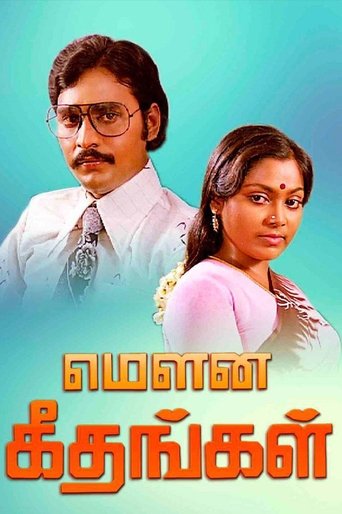
Daddy Daddy Lyrics
From the movie Mouna Geethangal
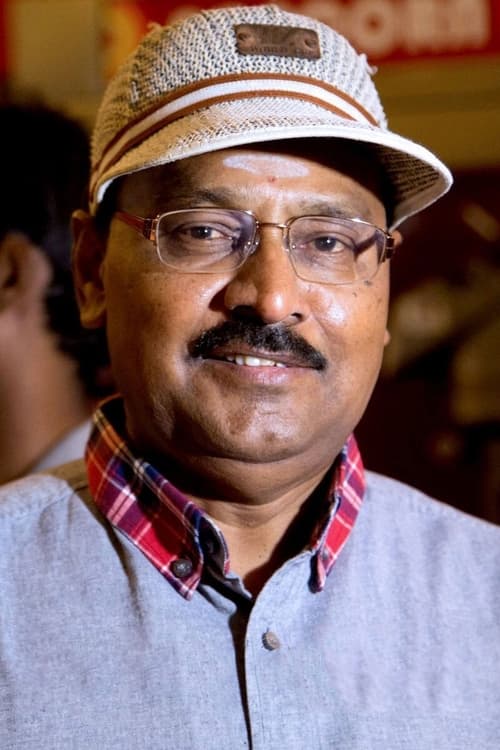
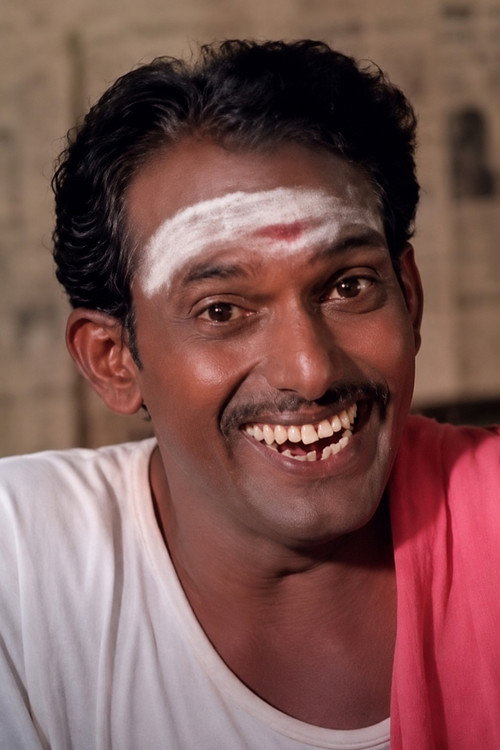
Daddy Daddy Song Lyrics is the track from Mouna Geethangal Tamil Film – 1981, Starring K. Bhagyaraj, Saritha, Kallapetti Singaram, TS Seshadri. This song was sung by மலேசியா வாசுதேவன் மற்றும் எஸ். ஜானகி. The music was composed by Gangai Amaran. Lyrics works penned by Muthulingam.
Track Credits & Star Cast
Music & Lyrics
Singers
Star Cast

Daddy daddy oh my daddy Unnai kandaalae aananthamae
Daddy daddy oh my daddy Unnai kandaalae aananthamae
Betah betah mera betah Enthan aanantham unnoduthaan
Betah betah maera betah Enthan aanantham unnoduthaan
Un perai sonnaalae Un pechai eduthaalae
Ammaavum puli pola yen paayuthu Un perai sonnaalae
Un pechai eduthaalae Ammaavum puli pola yen paayuthu
Appaakkal sila peru Seigindra thappaithaan
Adiyenum munnaalil seithenappa Haan
Appaakkal sila peru Seigindra thappaithaan
Adiyenum munnaalil seithenappa
Adhu enna thappu Suspense
En kitta sollu No noo
Sollaamae ponaa vida maatten paaa
Vendaam vendaam Haan
Mera betah Haan
Adha sonnaalum puriyaathappaa
Daddy daddy
Karaiyora nandellaam than petra kunjodu Eeppothum anbodu vilaiyaaduthae
Karaiyora nandellaam than petra kunjodu Eppothum anbodu vilaiyaaduthae
Adhu pola nammodu Ammaavum kaikorthu
Anbodu vilaiyaada manam yenguthae
Kalangaathae summa Thank you
Varuvaalae amma Really
Ellorum oar naal ondraagalaam Hahahahaha
Betah betah Female : Haan Mera betahFemale :Haan
Endhan aanandham unnoduthaan
Daddy daddy oh my daddy Unnai kandaalae aananthamae
Betah betah Haan daddy daddy
Betah betah Haha daddy daddy
Song Meaning & Analysis
This song is a poignant conversation between a father and his child, likely a son, expressing their mutual affection and the child's longing for a complete family. The father, Malaysia Vasudevan, and the child, S. Janaki (singing as a child), share a deep bond, with the child finding immense joy in his father's presence. The lyrics subtly hint at a separation or absence of the mother, as the child wonders why mentioning the father makes the mother react aggressively. The father acknowledges past mistakes, implying they might be the cause of the family's current situation, but reassures the child that the mother will eventually return, fostering hope for a reunited family.
The song beautifully captures the innocence of a child's yearning for parental love and unity, contrasted with the father's regret and his efforts to protect his child while holding onto hope. The imagery of crabs playing lovingly with their young highlights the child's desire for a similar complete family dynamic. Despite the underlying sadness of a broken family, the song ends on a hopeful note, with the father promising a future where everyone can be together, emphasizing the enduring love between father and child.
Frequently Asked Questions
Who is the singer of Daddy Daddy?
Daddy Daddy is sung by மலேசியா வாசுதேவன் மற்றும் எஸ். ஜானகி.
Which movie is Daddy Daddy from?
The song Daddy Daddy is featured in the movie Mouna Geethangal.
Who wrote the lyrics for Daddy Daddy?
The lyrics for Daddy Daddy were written by Muthulingam with music composed by Gangai Amaran.
Is English translation available for Daddy Daddy lyrics?
Yes! Daddy Daddy lyrics from Mouna Geethangal include line-by-line English translation, English transliteration, and native Tamil script on Lyricsverse.
What is the meaning of Daddy Daddy lyrics?
This song is a poignant conversation between a father and his child, likely a son, expressing their mutual affection and the child's longing for a complete family. The father, Malaysia Vasudevan, and the child, S. Janaki (singing as a child), share a deep bond, with the child finding immense joy in his father's presence. The lyrics subtly hint at a separation or absence of the mother, as the child wonders why mentioning the father makes the mother react aggressively. The father acknowledges past mistakes, implying they might be the cause of the family's current situation, but reassures the child that the mother will eventually return, fostering hope for a reunited family. The song beautifully captures the innocence of a child's yearning for parental love and unity, contrasted with the father's regret and his efforts to protect his child while holding onto hope. The imagery of crabs playing lovingly with their young highlights the child's desire for a similar complete family dynamic. Despite the underlying sadness of a broken family, the song ends on a hopeful note, with the father promising a future where everyone can be together, emphasizing the enduring love between father and child.