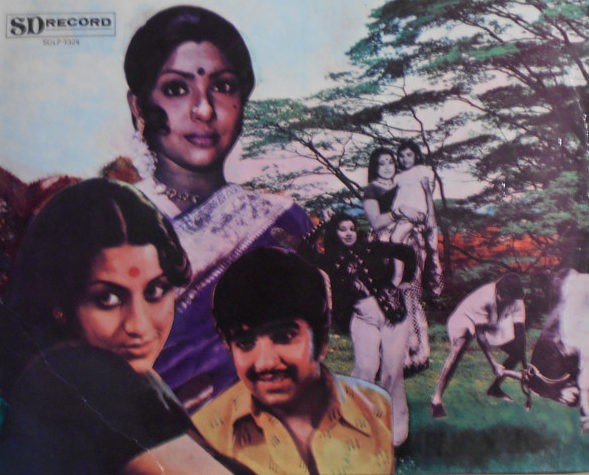
Dear Uncle Lyrics
From the movie Uravadum Nenjam
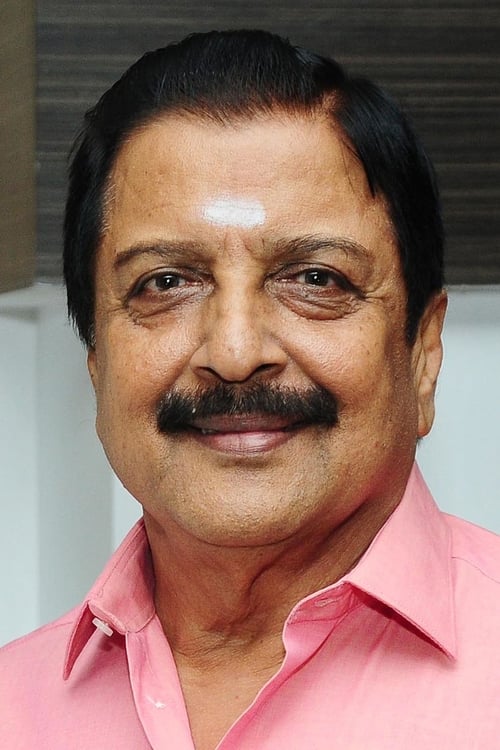
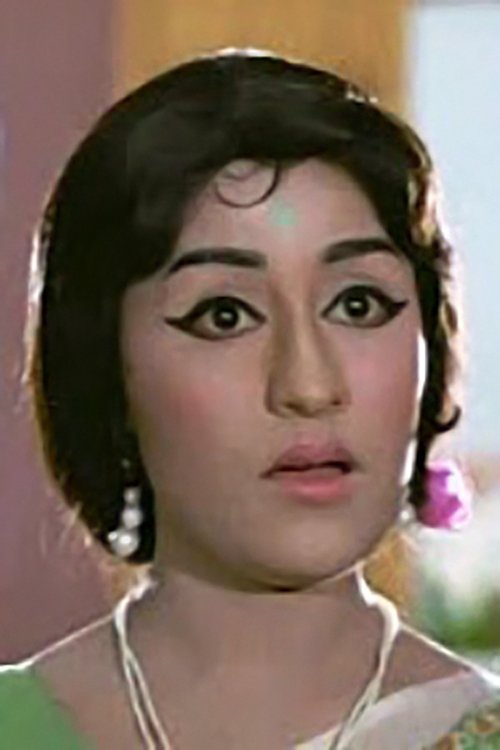
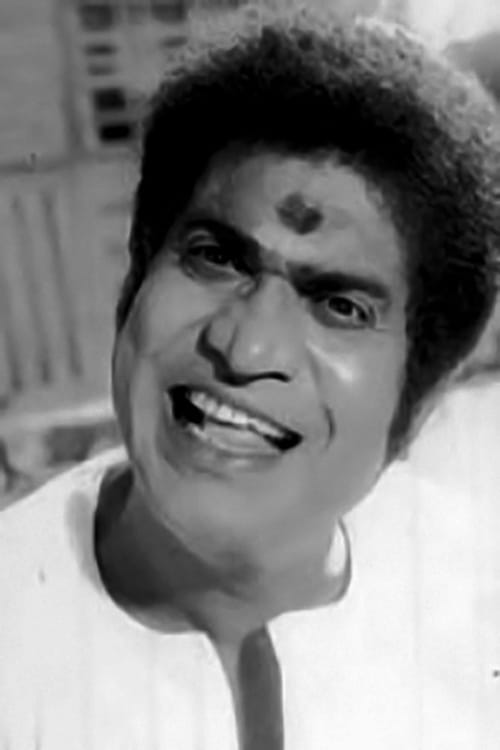
Dear Uncle Song Lyrics is the track from Uravadum Nenjam Tamil Film – 1976, Starring Sivakumar, Chandrakala, Suruli Rajan, Y. G. Mahendran. This song was sung by மலேசியா வாசுதேவன். The music was composed by Ilayaraja. Lyrics works penned by Kannadasan.
Track Credits & Star Cast
Music & Lyrics
Singers
Star Cast
Hae… lalallala laa lalallala laa Lallal lallal laa…
Lalallala laa lalallala laa Lallal lallal laa…
Dear uncle we are happy Dear mother is doing well
For daddy for mummy One for you uncle
One for you uncle
Poop pondra ullangal Dheivangalae
Come on carry on uncle
Poop pondra ullangal Dheivangalae
Puyal yedhu idi yedhu Pillai nenjilae
Arivugal valandhaalae sodhanaigal Sila vedhanaigal oomai kaayangal
Idhu mullai Chorus : La Siru killai Chorus : La
Naan pillai illaiyae Lalallaa
Nilai solla Chorus : La Adhai vella Chorus : La
Naan kallum illaiyae Lalallaa
Kallum illaiyae
Dear uncle we are happy Dear mother is doing well
For daddy for mummy One for you uncle
One for you uncle
Pournami vaanathil Nilavillaiyae
Pagal neram vazhi kaatta Kadhir illaiyae
Irandukkum iraivaa nee Naal vaippadho
Indha meengalukkae Naan yenna solluven
Oru medai Chorus : La Adhai moodi Chorus : La
Vilaiyaada cholgindraai Lalallaa
Naan oomai Chorus : La Mozhi illai Chorus : La
Enai paada cholgindraai Lalallaa
Paada cholgindraai
Dear uncle we are happy Dear mother is doing well
For daddy for mummy One for you uncle
One for you uncle Laallaa laallaallaa
Laallaa laallaallaa
Song Meaning & Analysis
The song "Dear Uncle" from "Uravadum Nenjam" (1976) is a deeply poignant and emotionally resonant piece, seemingly sung from the perspective of a child or a character grappling with profound sorrow beneath a veneer of innocence. The opening English lines, "Dear uncle, we are happy, dear mother is doing well," initially suggest a cheerful facade or a hopeful message. However, the subsequent Tamil lyrics quickly unveil a more melancholic narrative, questioning the presence of storms and thunder in a child's heart and lamenting that with growing knowledge come trials, pains, and "silent wounds." This juxtaposition highlights a painful loss of innocence or a harsh reality faced by the young protagonist.
The lyrics further explore themes of helplessness and unspoken suffering. The lines "Is this jasmine? A small parrot? I am not a child, am I?" and "To tell my state, to overcome it, I am not a stone, am I?" convey a sense of confusion about identity and a desperate plea for understanding, emphasizing the vulnerability of someone who is not quite a child but also not strong enough to endure silently. The imagery of a full moon sky without a moon and daytime without a sun powerfully symbolizes a world devoid of guidance and hope. The protagonist feels like a "fish" in this desolate world, unsure of what to say or do. The concluding verses, "You ask me to play on a covered stage" and "I am mute, I have no language, you ask me to sing," poignantly express the burden of being forced to perform or express joy when one is filled with sorrow and unable to articulate their pain, serving as a heartfelt cry for empathy and recognition of hidden suffering.
Frequently Asked Questions
Who is the singer of Dear Uncle?
Dear Uncle is sung by மலேசியா வாசுதேவன்.
Which movie is Dear Uncle from?
The song Dear Uncle is featured in the movie Uravadum Nenjam.
Who wrote the lyrics for Dear Uncle?
The lyrics for Dear Uncle were written by Kannadasan with music composed by Ilayaraja.
Is English translation available for Dear Uncle lyrics?
Yes! Dear Uncle lyrics from Uravadum Nenjam include line-by-line English translation, English transliteration, and native Tamil script on Lyricsverse.
What is the meaning of Dear Uncle lyrics?
The song "Dear Uncle" from "Uravadum Nenjam" (1976) is a deeply poignant and emotionally resonant piece, seemingly sung from the perspective of a child or a character grappling with profound sorrow beneath a veneer of innocence. The opening English lines, "Dear uncle, we are happy, dear mother is doing well," initially suggest a cheerful facade or a hopeful message. However, the subsequent Tamil lyrics quickly unveil a more melancholic narrative, questioning the presence of storms and thunder in a child's heart and lamenting that with growing knowledge come trials, pains, and "silent wounds." This juxtaposition highlights a painful loss of innocence or a harsh reality faced by the young protagonist. The lyrics further explore themes of helplessness and unspoken suffering. The lines "Is this jasmine? A small parrot? I am not a child, am I?" and "To tell my state, to overcome it, I am not a stone, am I?" convey a sense of confusion about identity and a desperate plea for understanding, emphasizing the vulnerability of someone who is not quite a child but also not strong enough to endure silently. The imagery of a full moon sky without a moon and daytime without a sun powerfully symbolizes a world devoid of guidance and hope. The protagonist feels like a "fish" in this desolate world, unsure of what to say or do. The concluding verses, "You ask me to play on a covered stage" and "I am mute, I have no language, you ask me to sing," poignantly express the burden of being forced to perform or express joy when one is filled with sorrow and unable to articulate their pain, serving as a heartfelt cry for empathy and recognition of hidden suffering.