Dei Dei Payale Lyrics
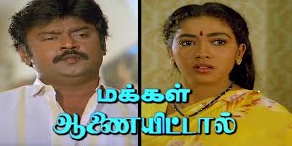
From the movie Makkal Aanaiyittaal
Dei Dei Payale Song Lyrics is the track from Makkal Aanaiyittaal Tamil Film – 1988. This song was sung by எஸ். ஏ. ராஜ்குமார். The music was composed by S. A. Rajkumar. Lyrics works penned by S. A. Rajkumar.
Track Credits & Star Cast
Music & Lyrics
Singers
Star Cast
Not Specified
Dei dei payalae chinnapayalae Naalai ulagam un kaiyilae
Dei dei payalae chinnapayalae Naalai ulagam un kaiyilae
Uzhaichchaalae vaungaalam Uruvaagaum unmaiyilae
Dei dei payalae chinnapayalae Naalai ulagam un kaiyilae
Uzhaichchaalae vaungaalam Uruvaagaum unmaiyilaehae…
Niyaayam maranthu thiriyura manushana Naaigal kooda mathikkaathu
Naalum uzhaikkira janangala midhichchaa Soru thanni kedaikkaathu
Aamaannae aamaannae Adhukku melae sollannae
Aamaannae aamaannae Adhukku melae sollannae
Podhuvaa edhukkum sattamillae Ozhungaa nadakkum thittamillae
Kalappa pudichchu uzhuthavan Kattantharaiyil kidakkuraan
Valuththavan pozhaikkiraan Uzhaichavan thudikkiraan
Dei dei payalae chinnapayalae Naalai ulagam un kaiyilae
Uzhaichchaalae vaungaalam Uruvaagaum unmaiyilae
Dei dei payalae chinnapayalae Naalai ulagam un kaiyilae haehaei
Uduththa thuniyilla Poazhaikkavum vazhiyilla
Urangi kidanthom oomaigalaai Edhirkka thunivillai
Thadukkavum vazhiyilla Edhukku poranthom adimaigalaai
Aamaannae aamaannae Adhukku melae sollannae
Aamaannae aamaannae Adhukku melae sollannae
Vizhuthaa kedanthaa niyaayamilla Azhuthaa edhukkum needhiyilla
Kuniya kuniya kuttiduvaan Ezhunthu ninnaa vittuduvaan
Elaichchavan thuniyanum Edhukku nee paniyanum
Dei dei payalae chinnapayalae Naalai ulagam un kaiyilae
Uzhaichchaalae vaungaalam Uruvaagaum unmaiyilae
Dei dei payalae chinnapayalae Naalai ulagam un kaiyilae
Uzhaichchaalae vaungaalam Uruvaagaum unmaiyilaehaei…
Song Meaning & Analysis
The song "Dei Dei Payale" from "Makkal Aanaiyittaal" is a powerful anthem of social awakening and empowerment, particularly aimed at the youth and the oppressed. It directly addresses the "little boy," symbolizing the younger generation, asserting that the future of the world rests in their hands. The lyrics emphasize the dignity of labor and the harsh realities faced by the working class, contrasting the suffering of the diligent with the prosperity of the powerful. It critiques a society lacking proper laws and order, where the honest laborer is exploited while the strong thrive.
The song serves as a rallying cry against injustice and passive acceptance. It questions the very existence of those who live as slaves, urging them to break free from their silent suffering. The message is clear: submission leads to further oppression, while standing up for oneself commands respect and freedom. It's a call to action for the weak to find courage, to resist exploitation, and to actively shape a just future through hard work and defiance against injustice, rather than succumbing to despair or injustice.
Frequently Asked Questions
Who is the singer of Dei Dei Payale?
Dei Dei Payale is sung by எஸ். ஏ. ராஜ்குமார்.
Which movie is Dei Dei Payale from?
The song Dei Dei Payale is featured in the movie Makkal Aanaiyittaal.
Who wrote the lyrics for Dei Dei Payale?
The lyrics for Dei Dei Payale were written by S. A. Rajkumar with music composed by S. A. Rajkumar.
Is English translation available for Dei Dei Payale lyrics?
Yes! Dei Dei Payale lyrics from Makkal Aanaiyittaal include line-by-line English translation, English transliteration, and native Tamil script on Lyricsverse.
What is the meaning of Dei Dei Payale lyrics?
The song "Dei Dei Payale" from "Makkal Aanaiyittaal" is a powerful anthem of social awakening and empowerment, particularly aimed at the youth and the oppressed. It directly addresses the "little boy," symbolizing the younger generation, asserting that the future of the world rests in their hands. The lyrics emphasize the dignity of labor and the harsh realities faced by the working class, contrasting the suffering of the diligent with the prosperity of the powerful. It critiques a society lacking proper laws and order, where the honest laborer is exploited while the strong thrive. The song serves as a rallying cry against injustice and passive acceptance. It questions the very existence of those who live as slaves, urging them to break free from their silent suffering. The message is clear: submission leads to further oppression, while standing up for oneself commands respect and freedom. It's a call to action for the weak to find courage, to resist exploitation, and to actively shape a just future through hard work and defiance against injustice, rather than succumbing to despair or injustice.