Eisalaamey Eisalaam Lyrics
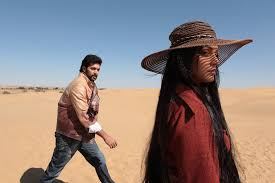
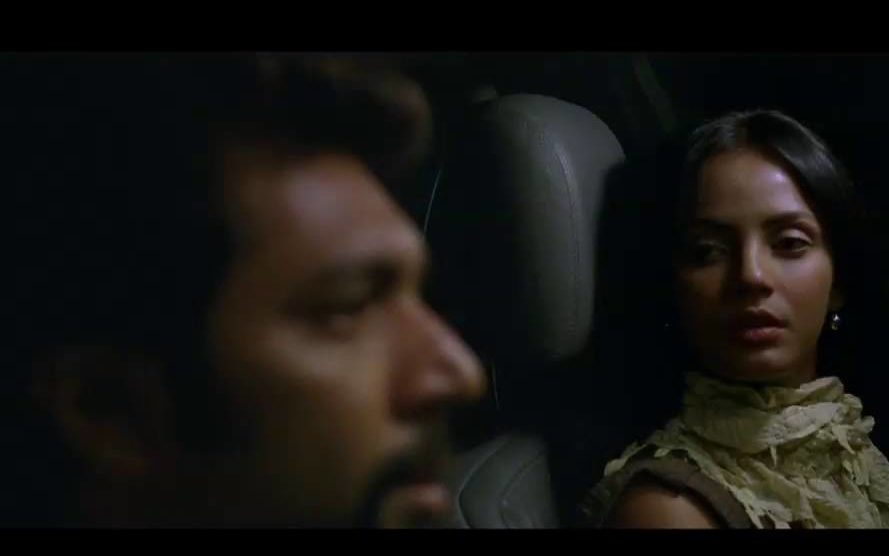
From the movie Aadhi Baghavan
Eisalaamey Eisalaam Song Lyrics is the track from Aadhi Baghavan Tamil Film – 2013. This song was sung by மானசி ஸ்காட் மற்றும் ராகுல் நம்பியார். The music was composed by Yuvan Shankar Raja. Lyrics works penned by Snehan.
Track Credits & Star Cast
Music & Lyrics
Singers
Star Cast
Not Specified
Oo…oo hoo…hoo ooo Oo…oo hoo…hoo ooo
Oo…oo hoo…hoo ooo Oo…oo hoo…hoo ooo
Aisalaamae aisalaam Aanum pennum aisalaam
Moga theeyil vegalaam Vaa vaa vaa
Ilamai ennum thee pori Yeriyum podhae pooppari
Endhan dhegam strawbery Vaa vaa vaa
Aasai ennum thaai mozhi Pesi paarkka orr vazhi
Asaiva aatril nee kuli Inbathai thedaadha aalilladaa
Oo…oo hoo…hoo ooo Oo…oo hoo…hoo ooo
Oo…oo hoo…hoo ooo Oo…oo hoo…hoo ooo
Iskalabi iskalabi aavo aavo aavo Iskalabi iskalabi aavo aavo aavo
Ae…haan…aa…aaaaa…aa… Minsaram pola sandhosham thedum
Velvettu poomettu naan thaanadaa Samsaara thollai inguttu illai
Unnoda vegatha nee kaattudaa
Hoo oo hoo wow Hoo oo hooo
Hoo oo hoo wow Hoo oo hooo
Aei raathiri aanaa rangolidaa Ellorum ingae pangaalidaa
Vaaliba kaattil dheewalidaa Veenaa nee podaadhae poi velidaa
Waalalahiyahiyae waalalahiyahiyae Waalalahiyahiyae waalalahiyahiyae
Waalalahiyahiyae waalalahiyahiyae Waalalahiyahiyae waalalahiyahiyae
Ullaasam thedi Urchaagham thedi
Muthathin saththathil Oor koodalaam
Pollaadha ulagam Sonnaalae kalagam
Ponnukkum bodhaikkum Poi sollalaam
Ellaarum inga bakthan illa Unmaiyil yaarum buthan illa
Aasaiyil asaivam thappae illa Thappillaa vaazhkaiyil uppae illa
Iskalabi iskalabi aavo aavo aavo Iskalabi iskalabi aavo aavo aavo
Hae aisalaamae aisalaam Vettaiyaada vaa salaa
Veru ulagam thedalaam Vaa vaa vaa
Ae dhaanam thandha boomidaa Thangi pidikkum saamidaa
Vaazhndhu theerthaan nyaanidaa Sorghathai verengum thedaadhae daa
Song Meaning & Analysis
The song "Eisalaamey Eisalaam" from 'Aadhi Baghavan' is a high-energy, hedonistic anthem that celebrates youth, desire, and uninhibited pleasure. It encourages listeners to embrace their desires, live life to the fullest, and not shy away from indulgence. The lyrics metaphorically describe youth as a burning spark and the body as a sweet strawberry, inviting one to pluck the 'flowers' of joy while they can. It suggests that desire is a universal language and that seeking pleasure is an inherent human trait, urging people to shed inhibitions and dive into the 'river of pleasure'.
The song further dismisses societal judgments, stating that not everyone is a saint or a Buddha, and that indulging in desires is not a sin. It provocatively claims that a life without 'wrong' or 'indulgence' lacks 'salt' or flavor, implying that a certain amount of rebellion or breaking norms adds zest to life. It portrays night as a festive 'rangoli' and youth as a 'Diwali' celebration, advocating for living in the moment and not building 'false fences' of restriction. Ultimately, it concludes with a message to appreciate life on Earth as a divine gift and to find 'heaven' in the present experience rather than seeking it elsewhere.
Frequently Asked Questions
Who is the singer of Eisalaamey Eisalaam?
Eisalaamey Eisalaam is sung by மானசி ஸ்காட் மற்றும் ராகுல் நம்பியார்.
Which movie is Eisalaamey Eisalaam from?
The song Eisalaamey Eisalaam is featured in the movie Aadhi Baghavan.
Who wrote the lyrics for Eisalaamey Eisalaam?
The lyrics for Eisalaamey Eisalaam were written by Snehan with music composed by Yuvan Shankar Raja.
Is English translation available for Eisalaamey Eisalaam lyrics?
Yes! Eisalaamey Eisalaam lyrics from Aadhi Baghavan include line-by-line English translation, English transliteration, and native Tamil script on Lyricsverse.
What is the meaning of Eisalaamey Eisalaam lyrics?
The song "Eisalaamey Eisalaam" from 'Aadhi Baghavan' is a high-energy, hedonistic anthem that celebrates youth, desire, and uninhibited pleasure. It encourages listeners to embrace their desires, live life to the fullest, and not shy away from indulgence. The lyrics metaphorically describe youth as a burning spark and the body as a sweet strawberry, inviting one to pluck the 'flowers' of joy while they can. It suggests that desire is a universal language and that seeking pleasure is an inherent human trait, urging people to shed inhibitions and dive into the 'river of pleasure'. The song further dismisses societal judgments, stating that not everyone is a saint or a Buddha, and that indulging in desires is not a sin. It provocatively claims that a life without 'wrong' or 'indulgence' lacks 'salt' or flavor, implying that a certain amount of rebellion or breaking norms adds zest to life. It portrays night as a festive 'rangoli' and youth as a 'Diwali' celebration, advocating for living in the moment and not building 'false fences' of restriction. Ultimately, it concludes with a message to appreciate life on Earth as a divine gift and to find 'heaven' in the present experience rather than seeking it elsewhere.