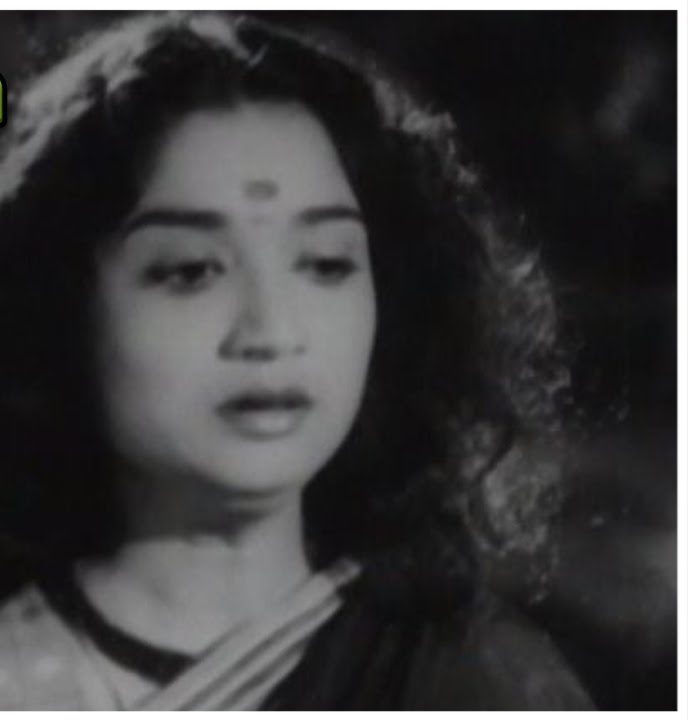
En Aaruyirae Enadhu Lyrics
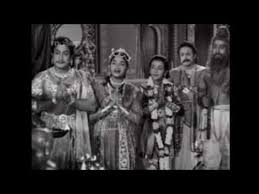
From the movie Harichandra – 1968 Film
En Aaruyirae Enadhu Song Lyrics is the track from Harichandra – 1968 Film Tamil Film – 1968. This song was sung by ஆர். பாலசரஸ்வதி. The music was composed by K. V. Mahadevan. Lyrics works penned by Thanjai N. Ramaiah Dass.
Track Credits & Star Cast
Music & Lyrics
Singers
Star Cast
Not Specified
En aaruyirae enadhu Kanmaniyae
Unnai naan karuvil Uyirthadhu mudhalaai
Oraam maadham udladhu thalarndhu Eeraam maadham idaiyadhu sirutthu
Moondraam maadham mugamadhu veluthu Naangaam maadham nasakkiya masakkaiyil
Aindhaam maadham adivayir ganathu Aaraam maadham arul valaikaappaai
Ezhaam maadham ezhucchi vandhadhum Ettaam maadham pattudai anindhu…u…oo…
Onbadhaam maadham undhanukkendru Maaman maargal vandhu varisaigal seiya
Pathaam maadham paal pazham undu Uthamamaaga undhanai pettru
En kannae undhanai pettru Aiyo paambinirkiraiyaai
Paarinir koduthae paridhavithaen Ullam padharinaen appaa
Aiyo logidhaasaa logidhaasaa
Song Meaning & Analysis
This poignant song is a mother's heart-wrenching lament for her lost child, Logidhaasaa. The lyrics vividly describe the arduous journey of pregnancy, detailing the physical and emotional changes experienced by the mother month by month – from the initial weakening and morning sickness to the growing belly and the anticipation of birth. It paints a picture of a mother's deep love and the sacrifices made during gestation, culminating in the joyous moment of childbirth.
However, this joy is tragically short-lived. The song takes a devastating turn as the mother recounts the unimaginable loss of her child, who became "prey to a snake" and was given back to the earth. The repeated cry of "Aiyo Logidhaasaa" underscores her profound grief, sorrow, and the unbearable pain of losing her beloved son. The song captures the universal theme of maternal love, loss, and the enduring agony of a parent's worst nightmare.
Frequently Asked Questions
Who is the singer of En Aaruyirae Enadhu?
En Aaruyirae Enadhu is sung by ஆர். பாலசரஸ்வதி.
Which movie is En Aaruyirae Enadhu from?
The song En Aaruyirae Enadhu is featured in the movie Harichandra – 1968 Film.
Who wrote the lyrics for En Aaruyirae Enadhu?
The lyrics for En Aaruyirae Enadhu were written by Thanjai N. Ramaiah Dass with music composed by K. V. Mahadevan.
Is English translation available for En Aaruyirae Enadhu lyrics?
Yes! En Aaruyirae Enadhu lyrics from Harichandra – 1968 Film include line-by-line English translation, English transliteration, and native Tamil script on Lyricsverse.
What is the meaning of En Aaruyirae Enadhu lyrics?
This poignant song is a mother's heart-wrenching lament for her lost child, Logidhaasaa. The lyrics vividly describe the arduous journey of pregnancy, detailing the physical and emotional changes experienced by the mother month by month – from the initial weakening and morning sickness to the growing belly and the anticipation of birth. It paints a picture of a mother's deep love and the sacrifices made during gestation, culminating in the joyous moment of childbirth. However, this joy is tragically short-lived. The song takes a devastating turn as the mother recounts the unimaginable loss of her child, who became "prey to a snake" and was given back to the earth. The repeated cry of "Aiyo Logidhaasaa" underscores her profound grief, sorrow, and the unbearable pain of losing her beloved son. The song captures the universal theme of maternal love, loss, and the enduring agony of a parent's worst nightmare.
Song Details
More from Harichandra – 1968 Film

Aadhiyilum Paraiyan Alla
Harichandra – 1968 Film • K. V. Mahadevan
டி. எம். சௌந்தரராஜன்

Aadum Mayil Venuma
Harichandra – 1968 Film • K. V. Mahadevan
கே. ராணி மற்றும் டி. சரோஜினி
Kaasiyil Vaazhum Karunai Kadale
Harichandra – 1968 Film • K. V. Mahadevan
டி. எம். சௌந்தரராஜன்
Kattukkadangatha Aasai
Harichandra – 1968 Film • K. V. Mahadevan
எஸ். சி. கிருஷ்ணன் மற்றும் எஸ். வி. பொன்னுசாமி
Naranaiyum Nee Padaithai
Harichandra – 1968 Film • K. V. Mahadevan
ஆர். பாலசரஸ்வதி
Needhi Dhevan Ulagil
Harichandra – 1968 Film • K. V. Mahadevan
டி. எம். சௌந்தரராஜன் மற்றும் ஆர். பாலசரஸ்வதி