Engeyo Etho Lyrics
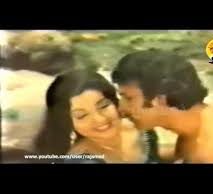
From the movie Nadhiyai Thedi Vandha Kadal
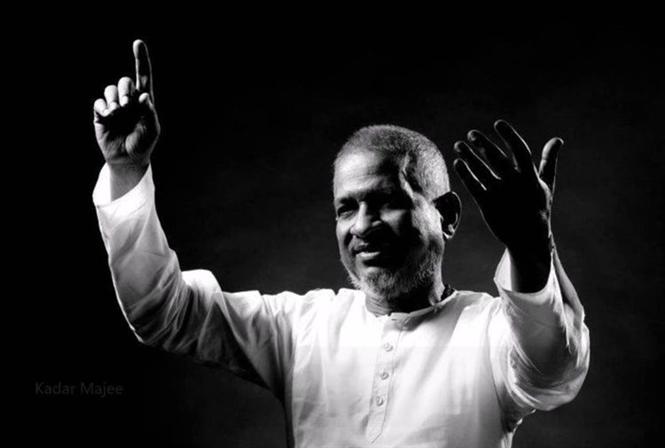
Engeyo Etho Song Lyrics is the track from Nadhiyai Thedi Vandha Kadal Tamil Film – 1980, Starring J. Jayalalithaa, Sarath Babu, Fatafat Jayalakshmi, Srikanth, Master Sekhar, Jameela Malik. This song was sung by பி. சுஷீலா மற்றும் எஸ். பி. பாலசுப்ரமண்யம். The music was composed by Ilayaraja. Lyrics works penned by Gangai Amaran.
Track Credits & Star Cast
Music & Lyrics
Singers
Star Cast


Engaeyo yedho Paattondru kettaen
Angae vaa neeyum Aanandham kaanbom
Kulir maegangal pani kaalangal Pera vendum sugangalae
Engaeyo yedho Paattondru kettaen
Poonjolaiyil poonthendralil Ponmaeni nadamaadudhu
En nenjam thadumaarudhu
Naalodu naan saayndhaadavaa Sollaadha suvai kooravaa
Soodaana kadhai sollavaa
Pon maalai naeram thaenaanadhu Poo manjal maeni yen vaadudhu
Sorgathai kandaenammaa
Engaeyo yedho Paattondru kettaen
Thaayaaginaen thaalaattinaen Kannaa en raajaangamae
Nee dhaan en aadharamae
Mani pillaigal maan kuttigal Uravaadum deivangalae
Oli veesum deepangalae
Vaadaadha mullai poo maeniyae Thedaamal vandha selvangalae
En jeevan unnodu dhaan
Engaeyo yedho Paattondru kettaen
Angae vaa neeyum Aanandham kaanbom
Kulir megangal pani kaalangal Pera vendum sugangalae
Engaeyo yedho Paattondru kettaen
Song Meaning & Analysis
The song "Engeyo Etho" from the 1980 film 'Nadhiyai Thedi Vandha Kadal' is a beautiful duet that explores two distinct yet interconnected facets of love: romantic longing and maternal affection. The opening lines, likely sung by the male voice, set a dreamy, inviting tone, beckoning a loved one to join in a shared experience of joy and pleasure amidst nature's beauty. The imagery of cool clouds and frosty seasons suggests a desire for intimate moments and shared happiness, painting a picture of a blossoming romance where the heart is stirred by the beloved's presence and the promise of untold delights.
As the song progresses, it transitions seamlessly into the tender expressions of a mother's love, likely sung by the female voice. Here, the lyrics shift from romantic yearning to the profound joy and fulfillment found in motherhood. The children are described as precious, fawn-like, divine beings, and radiant lamps, symbolizing their innocence, purity, and the light they bring into a mother's life. The mother expresses her complete devotion, stating that her life is intertwined with theirs, highlighting the selfless and unconditional nature of maternal love. This dual narrative beautifully captures the journey of love, from its passionate beginnings to the deep, nurturing bonds of family.
Frequently Asked Questions
Who is the singer of Engeyo Etho?
Engeyo Etho is sung by பி. சுஷீலா மற்றும் எஸ். பி. பாலசுப்ரமண்யம்.
Which movie is Engeyo Etho from?
The song Engeyo Etho is featured in the movie Nadhiyai Thedi Vandha Kadal.
Who wrote the lyrics for Engeyo Etho?
The lyrics for Engeyo Etho were written by Gangai Amaran with music composed by Ilayaraja.
Is English translation available for Engeyo Etho lyrics?
Yes! Engeyo Etho lyrics from Nadhiyai Thedi Vandha Kadal include line-by-line English translation, English transliteration, and native Tamil script on Lyricsverse.
What is the meaning of Engeyo Etho lyrics?
The song "Engeyo Etho" from the 1980 film 'Nadhiyai Thedi Vandha Kadal' is a beautiful duet that explores two distinct yet interconnected facets of love: romantic longing and maternal affection. The opening lines, likely sung by the male voice, set a dreamy, inviting tone, beckoning a loved one to join in a shared experience of joy and pleasure amidst nature's beauty. The imagery of cool clouds and frosty seasons suggests a desire for intimate moments and shared happiness, painting a picture of a blossoming romance where the heart is stirred by the beloved's presence and the promise of untold delights. As the song progresses, it transitions seamlessly into the tender expressions of a mother's love, likely sung by the female voice. Here, the lyrics shift from romantic yearning to the profound joy and fulfillment found in motherhood. The children are described as precious, fawn-like, divine beings, and radiant lamps, symbolizing their innocence, purity, and the light they bring into a mother's life. The mother expresses her complete devotion, stating that her life is intertwined with theirs, highlighting the selfless and unconditional nature of maternal love. This dual narrative beautifully captures the journey of love, from its passionate beginnings to the deep, nurturing bonds of family.