Ennadi Unga Nagarigam Lyrics
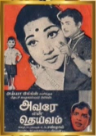
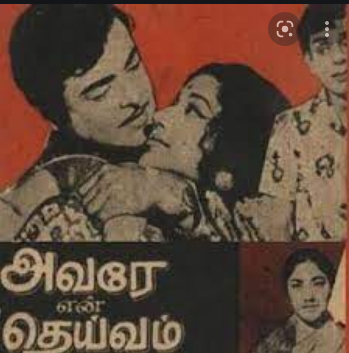
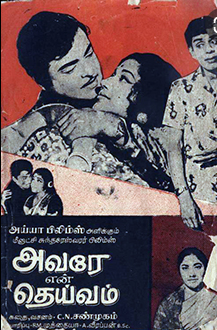
From the movie Avare En Deivam
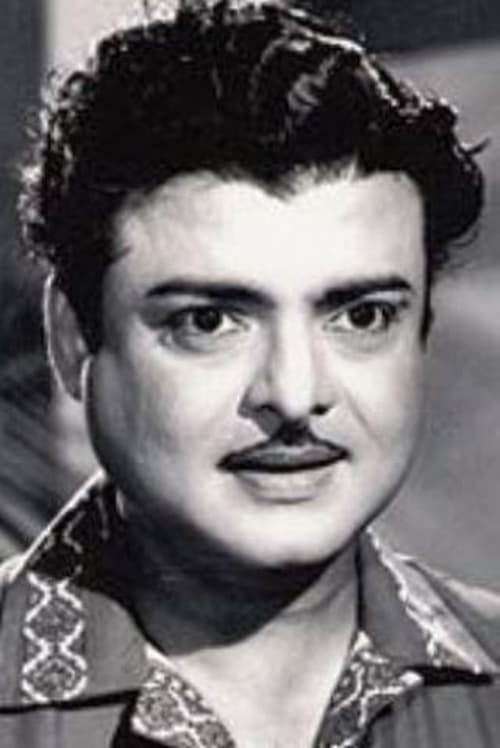
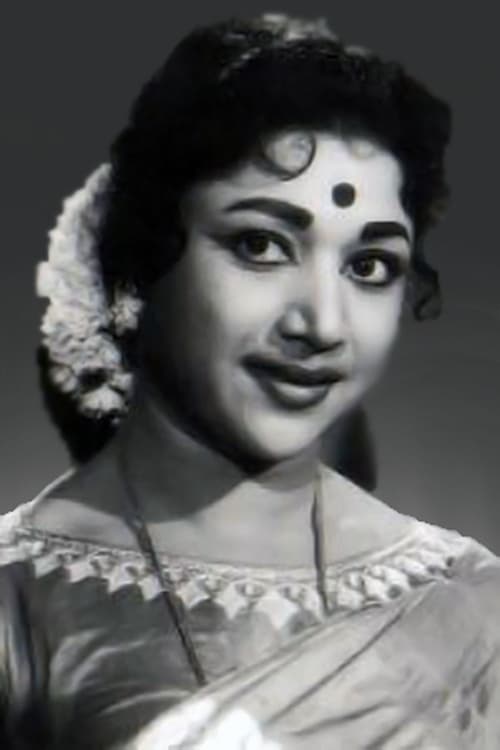
Ennadi Unga Nagarigam Song Lyrics is the track from Avare En Deivam Tamil Film – 1969, Starring Gemini Ganesan, R. Muthuraman, C. R. Vijayakumari, Rajasree, V. S. Raghavan, S. Varalakshmi, R. M. Somasundaram. This song was sung by பி. சுசீலா மற்றும் எல். ஆர். ஈஸ்வரி. The music was composed by T. R. Pappa. Lyrics works penned by Kannadasan.
Track Credits & Star Cast
Music & Lyrics
Singers
Star Cast

Ennadi unga naaareegam Edhaiyum thiranthu poduthu
Ilai maraivindri aaduthu Ilai maraivindri aaduthu
Adi ennadi ungal pazhamai panbu Thalaiyum kaalum mooduthu
Udal saakku moottaipol thonuthu Paarpavarkalukellaam aasaiyai moottuthu
Paththaam pasili paththinik kunamae Pazhamai paadamadi
Ennadi unga naaareegam Edhaiyum thiranthu poduthu
Ilai maraivindri aaduthu Ilai maraivindri aaduthu
Kanavan uyiraai kattil silaiyaai Vaazhvathu pazhamaiyadi
Kanavanai polae manaivikkum urimai naagareegamdi Padiththa pothum pengalin kadamai
Padhiyin sevaiyadi Padhiyin sevai manaivikkum vendum
Adhuthaan vaazhkkaiyadi
Ennadi unga naaareegam Edhaiyum thiranthu poduthu
Ilai maraivindri aaduthu Ilai maraivindri aaduthu
Kovil silaigal veliyil vizhunthaal Kallaai maarumadi
Kudumba pengal naanam izhanthaal Maanam pogumadi
Kaaval pottu siraiyil vaippathu Adimai vaazhkkaiyadi
Karppaiyum kaaththu urimaiyaiyum kaappathu Nagareegamadi
Song Meaning & Analysis
This song is a vibrant lyrical debate between two women, each representing a contrasting viewpoint on societal values, particularly concerning women's roles, attire, and freedom. One voice criticizes modern fashion and behavior as overly revealing and a departure from traditional modesty, suggesting it leads to a loss of cultural integrity. The other voice champions modern perspectives, arguing that traditional restrictions are outdated and that true progress lies in women having equal rights and autonomy, rather than being confined by archaic customs.
The lyrics delve deeper into the evolving dynamics of marriage and gender roles. The traditional view emphasizes a wife's subservience and duty to her husband, while the modern perspective advocates for mutual respect, shared responsibilities, and equal rights within a marital relationship. The song also touches upon the concept of chastity and honor, with the traditional stance linking it to external modesty and protection, while the modern view promotes self-respect and freedom alongside personal integrity, challenging the notion of enforced restrictions. It effectively captures the cultural and generational clash prevalent in Indian society during the late 1960s.
Frequently Asked Questions
Who is the singer of Ennadi Unga Nagarigam?
Ennadi Unga Nagarigam is sung by பி. சுசீலா மற்றும் எல். ஆர். ஈஸ்வரி.
Which movie is Ennadi Unga Nagarigam from?
The song Ennadi Unga Nagarigam is featured in the movie Avare En Deivam.
Who wrote the lyrics for Ennadi Unga Nagarigam?
The lyrics for Ennadi Unga Nagarigam were written by Kannadasan with music composed by T. R. Pappa.
Is English translation available for Ennadi Unga Nagarigam lyrics?
Yes! Ennadi Unga Nagarigam lyrics from Avare En Deivam include line-by-line English translation, English transliteration, and native Tamil script on Lyricsverse.
What is the meaning of Ennadi Unga Nagarigam lyrics?
This song is a vibrant lyrical debate between two women, each representing a contrasting viewpoint on societal values, particularly concerning women's roles, attire, and freedom. One voice criticizes modern fashion and behavior as overly revealing and a departure from traditional modesty, suggesting it leads to a loss of cultural integrity. The other voice champions modern perspectives, arguing that traditional restrictions are outdated and that true progress lies in women having equal rights and autonomy, rather than being confined by archaic customs. The lyrics delve deeper into the evolving dynamics of marriage and gender roles. The traditional view emphasizes a wife's subservience and duty to her husband, while the modern perspective advocates for mutual respect, shared responsibilities, and equal rights within a marital relationship. The song also touches upon the concept of chastity and honor, with the traditional stance linking it to external modesty and protection, while the modern view promotes self-respect and freedom alongside personal integrity, challenging the notion of enforced restrictions. It effectively captures the cultural and generational clash prevalent in Indian society during the late 1960s.