Gangai Aatril Lyrics
From the movie Aayiram Nilave Vaa
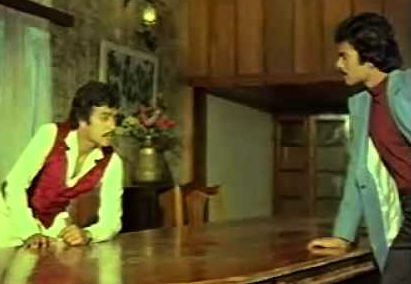
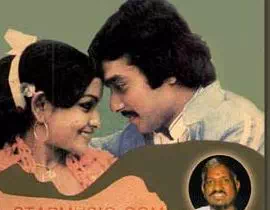
Gangai Aatril Song Lyrics is the track from Aayiram Nilave Vaa Tamil Film – 1983. This song was sung by பி. சுஷீலா. The music was composed by Ilayaraja. Lyrics works penned by Gangai Amaran.
Track Credits & Star Cast
Music & Lyrics
Singers
Star Cast
Not Specified
Gangai aatril nindru kondu Neerai thedum pen maan ival
Kannai moodi kaatchi thedi Innum engae selvaal ival
Thannaiyae dhaan nambaadhu Povadhum yen pedhai maadhu
Gangai aatril nindru kondu Neerai thedum pen maan ival
Poi polavae Vesham mei pottadhu
Andha meiyae poiyaai kondaal Orr aayiram
Saatchi yaar koorinum Avai ellaam vesham endraal
Than kann seidha maayam Penn mel enna paavam
Than nenjodu theeraadhu sogam Ipporaattam eppodhu theerum ini
Gangai aatril nindru kondu Neerai thedum pen maan ival
Poi maanaiyae Andru mei maan ena
Andha seethai pedhai aanaal Mei maanaiyae
Indru poi maan ena Indha kodhai pedhai aanaal
Poi nambikkai angae Veen sandhegam ingae
Kan ovvondrum vevveru paarvai Endraalum yemaatram ondraanathu
Gangai aatril nindru kondu Neerai thedum pen maan ival
Kannai moodi kaatchi thedi Innum engae selvaal ival
Thannaiyae dhaan nambaadhu Povadhum yen pedhai maadhu
Gangai aatril nindru kondu Neerai thedum pen maan ival
Song Meaning & Analysis
The song "Gangai Aatril" delves into the profound emotional turmoil of a woman who is lost in her own perceptions and doubts. The central metaphor of a "female deer standing in the Ganges river, searching for water" beautifully illustrates her predicament: she is surrounded by what she seeks, yet unable to recognize or accept it. This suggests a deep internal conflict, where her own mind and eyes create illusions, leading her to distrust truth and embrace falsehoods. The lyrics paint a picture of a soul trapped in a cycle of self-deception and unending sorrow, questioning when this internal struggle will ever cease.
The song further elaborates on this theme by drawing parallels to mythological tales, specifically referencing Sita's tragic encounter with the illusory golden deer. This comparison highlights how even the wise can be misled by appearances, and how a woman's innocence can lead to profound suffering. The lyrics lament the irony of false beliefs existing alongside baseless doubts, and how despite varied perspectives, the ultimate outcome is a singular, pervasive sense of disappointment and betrayal, often self-inflicted. It's a poignant reflection on the human condition of misjudgment and the pain it brings.
Frequently Asked Questions
Who is the singer of Gangai Aatril?
Gangai Aatril is sung by பி. சுஷீலா.
Which movie is Gangai Aatril from?
The song Gangai Aatril is featured in the movie Aayiram Nilave Vaa.
Who wrote the lyrics for Gangai Aatril?
The lyrics for Gangai Aatril were written by Gangai Amaran with music composed by Ilayaraja.
Is English translation available for Gangai Aatril lyrics?
Yes! Gangai Aatril lyrics from Aayiram Nilave Vaa include line-by-line English translation, English transliteration, and native Tamil script on Lyricsverse.
What is the meaning of Gangai Aatril lyrics?
The song "Gangai Aatril" delves into the profound emotional turmoil of a woman who is lost in her own perceptions and doubts. The central metaphor of a "female deer standing in the Ganges river, searching for water" beautifully illustrates her predicament: she is surrounded by what she seeks, yet unable to recognize or accept it. This suggests a deep internal conflict, where her own mind and eyes create illusions, leading her to distrust truth and embrace falsehoods. The lyrics paint a picture of a soul trapped in a cycle of self-deception and unending sorrow, questioning when this internal struggle will ever cease. The song further elaborates on this theme by drawing parallels to mythological tales, specifically referencing Sita's tragic encounter with the illusory golden deer. This comparison highlights how even the wise can be misled by appearances, and how a woman's innocence can lead to profound suffering. The lyrics lament the irony of false beliefs existing alongside baseless doubts, and how despite varied perspectives, the ultimate outcome is a singular, pervasive sense of disappointment and betrayal, often self-inflicted. It's a poignant reflection on the human condition of misjudgment and the pain it brings.