Indha Pazhasa Lyrics
From the movie Thooya Ullam Tamil
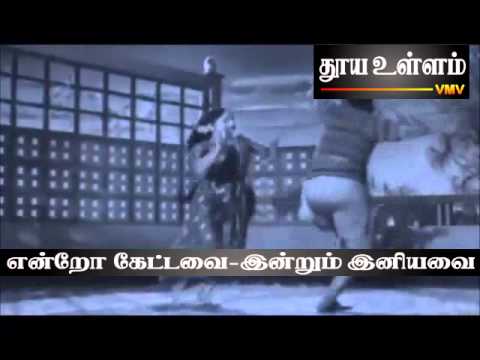
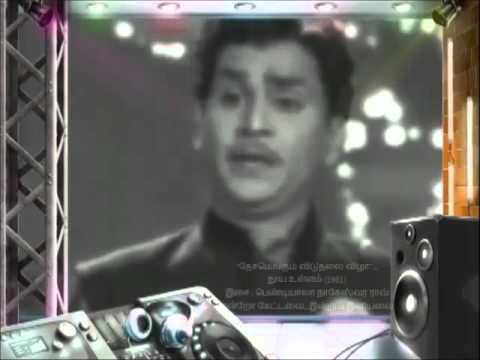
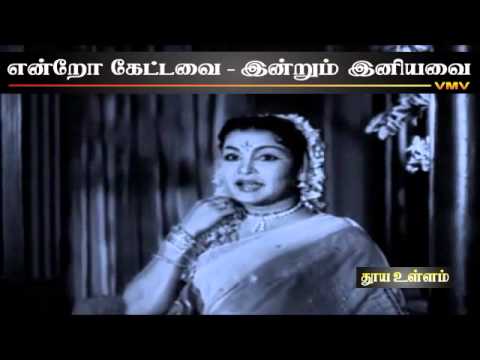
Indha Pazhasa Song Lyrics is the track from Thooya Ullam Tamil Tamil Film – 1961. This song was sung by டி. எம். சௌந்தராஜன் மற்றும் பி. சுஷீலா.
Track Credits & Star Cast
Music & Lyrics
Singers
Star Cast
Not Specified
Singers : T. M. Soundarajan and P. Susheela
Music Director : Pendyala Nageswara Rao
Lyricist : Udumalai Narayanakavi
Indha pazhasa avuthu pottu Pudhu podava ravikka maattu
Indha pazhasa avuthu pottu Pudhu podava ravikka maattu
Veliya kelambhu kelambhu Nee kadhva izhuthu poottu
Kadaveedhi mele povom Vaa selavukkindhaa nottu
Avasarapadathae atha mavanae
Veenae avasiyam illadha selavu namakku venam
Appan pattan thedi vecha Highwayzoom namakkillae
Annaada kaayichi naama Adhukkellaam tharamillae
Aala yeichi pozhaikkum Kurukku moolaikkoda unakkillae
Avasarapadathae atha mavanae Veenae avasiyam illadha selavu namakku venam
Ozhaichu thingha udambil namakku balamirukkudhae
Unmaiyodu udhavikkaaga neeyum irukkira
Saami alavilladha kozhandhai selvam koduthirukkudhae
Naambha thalarndha bodhu paadhukaakkum edhukku muzhikkire
Manasu vuttudadhae maaman magale
Pinnae vaadiyamma povom yendi raghala
Kanane manasu vuttudadhae maaman magale
Nammai pola pullaikutti Naayaai alaiyanuma
Nanum neeyum ponaa naadhi yedhum ondumaa Unnai pola padikkadha muttaalaagonuma
Yosikkaatti pinnalae mosam aagumae Maama varushma oru presavam thavaruvathillai
Naanum vathalaaghi poyitten sakthiyum illai Machaan avasarapadathae atha mavanae
Nadantha varaikkum kadavul sealu nadanthu pochuthu
Naalaiyodu kozhandha kanakku niruthiyachudhu
Namma kudumba nelama therinju selava korachumaachudhu
Pulla kozhandha kuttiya valarkkum vazhiyum purinju pochudhu
Manasu vuttudadhae maaman magale
Vandha varava micham pidippen maaman magale
Kattayama namm naalilae Kalviyaale pulla kutti meloonganum
Nalla pera avangalaala naama vaanganum
Song Meaning & Analysis
This song is a delightful and pragmatic dialogue between a husband and wife, common in classic Tamil cinema. The husband, initially playful and eager to spend, suggests going out and buying new clothes. The wife, however, is the voice of reason and financial prudence. She reminds him of their humble background, their lack of inherited wealth, and their status as daily wage earners, urging him to avoid unnecessary expenses.
The conversation evolves into a serious discussion about family planning and the future of their children. The wife expresses her exhaustion from continuous childbirth and emphasizes the importance of saving money and educating their existing children so they don't suffer the same fate as their parents. The husband eventually concedes, agreeing to stop having more children, reduce expenses, and focus on their children's upbringing and education. The song beautifully captures the struggles and aspirations of a common couple, highlighting themes of responsibility, foresight, and the enduring hope for a better future for their offspring.
Frequently Asked Questions
Who is the singer of Indha Pazhasa?
Indha Pazhasa is sung by டி. எம். சௌந்தராஜன் மற்றும் பி. சுஷீலா.
Which movie is Indha Pazhasa from?
The song Indha Pazhasa is featured in the movie Thooya Ullam Tamil.
Who wrote the lyrics for Indha Pazhasa?
The lyrics for Indha Pazhasa were written by Unknown with music composed by Unknown.
Is English translation available for Indha Pazhasa lyrics?
Yes! Indha Pazhasa lyrics from Thooya Ullam Tamil include line-by-line English translation, English transliteration, and native Tamil script on Lyricsverse.
What is the meaning of Indha Pazhasa lyrics?
This song is a delightful and pragmatic dialogue between a husband and wife, common in classic Tamil cinema. The husband, initially playful and eager to spend, suggests going out and buying new clothes. The wife, however, is the voice of reason and financial prudence. She reminds him of their humble background, their lack of inherited wealth, and their status as daily wage earners, urging him to avoid unnecessary expenses. The conversation evolves into a serious discussion about family planning and the future of their children. The wife expresses her exhaustion from continuous childbirth and emphasizes the importance of saving money and educating their existing children so they don't suffer the same fate as their parents. The husband eventually concedes, agreeing to stop having more children, reduce expenses, and focus on their children's upbringing and education. The song beautifully captures the struggles and aspirations of a common couple, highlighting themes of responsibility, foresight, and the enduring hope for a better future for their offspring.
Music Video