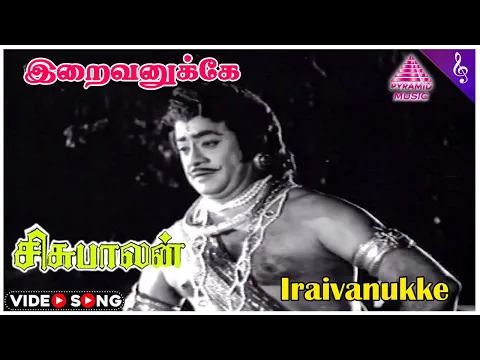
Iraivanukke Therinthu Lyrics
From the movie Sisubalan
Iraivanukke Therinthu Song Lyrics is the track from Sisubalan Tamil Film – 1974. This song was sung by ராஜேஷ் கிருஷ்ணன். The music was composed by Kunnakudi Vaithiyanathan. Lyrics works penned by Poovai Sengkuttuvan.
Track Credits & Star Cast
Music & Lyrics
Singers
Star Cast
Not Specified
Iraivanukke therinthu vidum Ennamellaam purinthuvidum
En nilaiyil avan irunthaal Avan manamum kallaagum
En nilaiyil avan irunthaal Avan manamum kallaagum
Thamaraiyil nooleduththae Thari neithaal palanumillai
Paamarnin kangalukku Paava puniyam therivathillai
Paamarnin kangalukku Paava puniyam therivathillai
Oruvar seitha paava punyam Mattravarkke saervathillai
Iraivanukke therinthu vidum Ennamellaam purinthuvidum
En nilaiyil avan irunthaal Avan manamum kallaagum
Avan manamum kallaagum
Thanneerum ulaginilae Moondru murai pizhai porukkum
Thanneerum ulaginilae Moondru murai pizhai porukkum
Kannano nooru murai Naan seiyum pizhai poruppaan
Kannano nooru murai Naan seiyum pizhai poruppaan
Ponnaana manaiyaalum Munnoru pizhai poruppaal
Ponnaana manaiyaalum Munnoru pizhai poruppaal
En thaayum enakkaga Eththanaithaan pizhai poruppaal
En thaayum enakkaga Eththanaithaan pizhai poruppaal
Iraivanukke therinthu vidum Ennamellaam purinthuvidum
En nilaiyil avan irunthaal Avan manamum kallaagum
Avan manamum kallaagum Avan manamum kallaagum
Avan manamum kallaagum Avan manamum kallaagum
Song Meaning & Analysis
This song is a poignant plea from a soul burdened by circumstances, expressing a deep sense of injustice or unavoidable fate. The protagonist believes that if even God were to experience their plight, divine compassion would turn to stone, highlighting the immense suffering and the perceived harshness of their reality. It questions the understanding of sin and virtue by the ignorant, emphasizing that individual actions and their consequences are personal and cannot be transferred. The lyrics convey a feeling of being misunderstood or unfairly judged, suggesting that only someone in their exact shoes could truly comprehend their struggles.
The song further explores the concept of forgiveness, contrasting the limited patience of nature (water forgiving thrice) with the boundless mercy of divine figures like Krishna (a hundred times) and human relationships like a loving wife (three hundred times). The ultimate expression of unconditional forgiveness is attributed to a mother, whose capacity to overlook faults is deemed immeasurable. This progression underscores the protagonist's yearning for understanding and acceptance, implying that while others might forgive, their situation is so dire that even divine empathy would be tested. It's a cry for empathy and a reflection on the nature of suffering, judgment, and unconditional love.
Frequently Asked Questions
Who is the singer of Iraivanukke Therinthu?
Iraivanukke Therinthu is sung by ராஜேஷ் கிருஷ்ணன்.
Which movie is Iraivanukke Therinthu from?
The song Iraivanukke Therinthu is featured in the movie Sisubalan.
Who wrote the lyrics for Iraivanukke Therinthu?
The lyrics for Iraivanukke Therinthu were written by Poovai Sengkuttuvan with music composed by Kunnakudi Vaithiyanathan.
Is English translation available for Iraivanukke Therinthu lyrics?
Yes! Iraivanukke Therinthu lyrics from Sisubalan include line-by-line English translation, English transliteration, and native Tamil script on Lyricsverse.
What is the meaning of Iraivanukke Therinthu lyrics?
This song is a poignant plea from a soul burdened by circumstances, expressing a deep sense of injustice or unavoidable fate. The protagonist believes that if even God were to experience their plight, divine compassion would turn to stone, highlighting the immense suffering and the perceived harshness of their reality. It questions the understanding of sin and virtue by the ignorant, emphasizing that individual actions and their consequences are personal and cannot be transferred. The lyrics convey a feeling of being misunderstood or unfairly judged, suggesting that only someone in their exact shoes could truly comprehend their struggles. The song further explores the concept of forgiveness, contrasting the limited patience of nature (water forgiving thrice) with the boundless mercy of divine figures like Krishna (a hundred times) and human relationships like a loving wife (three hundred times). The ultimate expression of unconditional forgiveness is attributed to a mother, whose capacity to overlook faults is deemed immeasurable. This progression underscores the protagonist's yearning for understanding and acceptance, implying that while others might forgive, their situation is so dire that even divine empathy would be tested. It's a cry for empathy and a reflection on the nature of suffering, judgment, and unconditional love.
Music Video