Isaiyarasi Lyrics
From the movie Thaai Mookaambikai
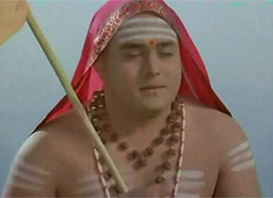
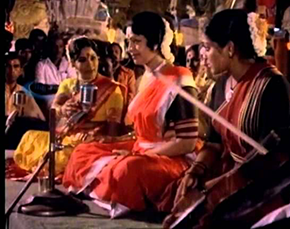
Isaiyarasi Song Lyrics is the track from Thaai Mookaambikai Tamil Film – 1982, Starring K R Vijaya, Sivakumar, Saritha, Karthik, Major Sundarrajan, Sujatha, Jaishankar, Thengai Srinivasan, Poornima Bhagyaraj, M. N. Nambiar. This song was sung by பி. சுஷீலா, எஸ். ஜானகி, ராஜேஸ்வரி. The music was composed by Ilayaraja. Lyrics works penned by Lyricist Not Known.
Track Credits & Star Cast
Music & Lyrics
Singers
Star Cast
Female 1 : Aaaaaa…aaaaa…a.aaaa Female 2 : Aaaaa…aaaaa…aaaa…aaa
Female 1 : Isai arasi ennalum naanae Ennaku oru enai agumaaa
Ellorum isai padhu isai aagumaa
Female 2 : Isai arasi ennalum naanae Ennaku oru enai agumaaa
Ellorum isai padhu isai aagumaa
Female 1 : Isai arasi ennalum naanae Ennaku oru enai agumaaa
Ellorum… isai padhu isai aagumaaaaa
Female 2 : Isai arasi ennalumm… naanae Ennaku oru enai agumaaa
Ellorumm… isai padhu isai aagumaa
Female 1 : Isai arasi enn…naalum naanae Ennaku oru enai agumaaa
Ellorumm isai padhu isai aagumaa
Female 2 : Isai arasieee ennalum naanae Ennaku oru enai agumaaa
Ellorumm… isai padhu isai aagumaa
Female 1 : Isai arasi… Female 2 : Isai arasi…aaaaa
Female 1 : Thyagaiyar mudhalana mum murthigal
Aaaa…aaaa…aaaaa.aaaaaaaaaaaaa
Thyagaiyar mudhalana mum murthigal
Dhinam dhinam sonnathu yaar keerthigal
Female 2 : Thyagaiyar mudhalana mum murthigal
Dhinam dhinam sonnathu yaar keerthigal
Female 1 : Swathi thirunaalin sagathyangal Aaaaaa…
Female 2 : Aaaaa
Female 1 : Aaaahaaa… Female 2 : Aahaaa
Female 1 : Aahaaaa…aaaa…aaa Female 2 : Aahaaaa…aaaa…aaa
Female 1 : Swathi thirunaalin sagathyangal
Female 2 : Jagathinai vendridum saamrajiyangal
Female 1 : Navarasam nadanamidum Female 2 : Nalinamodu nayam migum
Female 1 : Kural valam nidham thozhum
Female 2 : Isai arasi ennalum naanae…ee… Female 1 : Enakku oru inai aaguma
Female 2 : Ellorum isai padhu isai aaguma Isai arasiiii
Female 1 : Kaadhirku iniadhu sajjamamma
Illai madhayamama illai deivathama
Female 2 : Paada seivadhu deivathamae
Adhan kaivasame illai un vasamae
Female 1 : Geetham enbadhu pallaviya
Anu pallaviya illai charanangala
Female 2 : Yaavum pirappadhu charanathilae
Annai charanathilae thozhum tharunathilae
Female 1 : Arulum porulum inaindhathedhu Female 2 : Agandhai agandra idhayam adhu
Female 1 : Agandhai edhu Female 2 : Thadhumbuvadhu
Female 1 : Arivu edhu Female 2 : Adanguvadhu
Female 1 : Pirappinilum pinbu irappinilum
Oru nizhalena uyirgalai thodarvadhedhu
Female 2 : Agathinilum ingu purathinilum
Nidham avar avar purindhidum vinaigal adhu
Female 1 : Female 2 :
Female 3 : Amma amma ammaaaaaaaaaaa Amma amma amma amma
Aaaa…aaaaaaaaaaaaaaaaaaaaaa Aaaaa…aaaaa…a…aaaaaaaaaaa
Female 3 : Piraviyil pesadha vayallava Paadida seidhal en thaai allava…aaa
Piraviyil pesadha vayallava Paadida seidhal en thaai allava
Female 3 : Enakkena oru thaaiyum nee allavaa Aaa aaa…aaaaaaa
Enakkena oru thaaiyum nee allavaa Ini ival endrum un sei allava
Unadharul udhavi vara Udhadugalil isai varum adhisayam
Female 3 : Isai arasieee ennalum neeyae Unnaku oru enai agumaaa
Ellorum isai padhu isai aagumaa Isai arasi…eee
Isai arasiiiiiii
Song Meaning & Analysis
The song "Isaiyarasi" from 'Thaai Mookaambikai' is a captivating musical debate and devotional offering. Initially, it portrays a competitive exchange between two female singers, each proclaiming herself the "Queen of Music" and questioning the validity of others' musical prowess. They delve into the rich heritage of Carnatic music, referencing revered composers like the Trinity (Tyagaraja, Muthuswami Dikshitar, Syama Sastri) and Swathi Thirunal, discussing the essence of musical notes (swaras) and song structures (pallavi, charanam). This intellectual sparring highlights the depth and philosophy embedded in classical music, touching upon concepts of arrogance, wisdom, and karma.
The song takes a devotional turn with the entry of a third female voice, who addresses the divine Mother (Mookambika). She expresses profound gratitude, stating that she was mute by birth and it was the Mother who enabled her to sing, thus making the Mother her true "Queen of Music." This shift transforms the initial competitive tone into one of humble devotion, acknowledging that true musical ability and artistry stem from divine grace. The song beautifully blends the technical and philosophical aspects of music with a heartfelt spiritual surrender, culminating in the recognition of the divine as the ultimate source of all art and talent.
Frequently Asked Questions
Who is the singer of Isaiyarasi?
Isaiyarasi is sung by பி. சுஷீலா, எஸ். ஜானகி, ராஜேஸ்வரி.
Which movie is Isaiyarasi from?
The song Isaiyarasi is featured in the movie Thaai Mookaambikai.
Who wrote the lyrics for Isaiyarasi?
The lyrics for Isaiyarasi were written by Lyricist Not Known with music composed by Ilayaraja.
Is English translation available for Isaiyarasi lyrics?
Yes! Isaiyarasi lyrics from Thaai Mookaambikai include line-by-line English translation, English transliteration, and native Tamil script on Lyricsverse.
What is the meaning of Isaiyarasi lyrics?
The song "Isaiyarasi" from 'Thaai Mookaambikai' is a captivating musical debate and devotional offering. Initially, it portrays a competitive exchange between two female singers, each proclaiming herself the "Queen of Music" and questioning the validity of others' musical prowess. They delve into the rich heritage of Carnatic music, referencing revered composers like the Trinity (Tyagaraja, Muthuswami Dikshitar, Syama Sastri) and Swathi Thirunal, discussing the essence of musical notes (swaras) and song structures (pallavi, charanam). This intellectual sparring highlights the depth and philosophy embedded in classical music, touching upon concepts of arrogance, wisdom, and karma. The song takes a devotional turn with the entry of a third female voice, who addresses the divine Mother (Mookambika). She expresses profound gratitude, stating that she was mute by birth and it was the Mother who enabled her to sing, thus making the Mother her true "Queen of Music." This shift transforms the initial competitive tone into one of humble devotion, acknowledging that true musical ability and artistry stem from divine grace. The song beautifully blends the technical and philosophical aspects of music with a heartfelt spiritual surrender, culminating in the recognition of the divine as the ultimate source of all art and talent.