Kadavul Poota Kanakku Lyrics
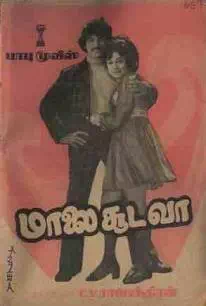
From the movie Maalai Sooda Vaa
Kadavul Poota Kanakku Song Lyrics is the track from Maalai Sooda Vaa Tamil Film – 1975. This song was sung by டி. எம். சௌந்தரராஜன். The music was composed by Vijaya Bhaskar. Lyrics works penned by Vaali.
Track Credits & Star Cast
Music & Lyrics
Singers
Star Cast
Not Specified
Kadavul potta kanakku Therivadhillai namakku
Kadavul potta kanakku Therivadhillai namakku
Nee nenaippaai ondru ada Avan nenaippan ondru
Nee nenaippaai ondru ada Avan nenaippan ondru
Kodambaakkam kudiirukkum Palaniappa
Ivan korikkaiyai konjam nee Gavaniappa
Yeppo kodambaakkam kudiirukkum Palaniappa
Ivan korikkaiyai konjam nee gavaniappa
Odi pona magan kedacha Mottai poduvaan
Un undiyilae edho konjam Thutta poduvaan
Andha thasarathanai vaatiyadho Puthira sogam
Indha thagapanukku yerpattadho Pathira sogam
Kadavul potta kanakku Therivadhillai namakku
Kadavul potta kanakku Therivadhillai namakku
Maada veedhi kudirukkum Karppagaambigae
Ivan magal ingu vandhu sera Enna kaanikkae
Maada veedhi kudirukkum Karppagaambigae
Ivan magal ingu vandhu sera Enna kaanikkae
Kedupidiyaai irunthaan Ennavaachu
Veeratheera rosham ellaam Engae pochu
Oru magal kaadhalichaa appadiyaachu Ippo innoruthi kadhai sonna ippadiyaachu
Kadavul potta kanakku Therivadhillai namakku
Kadavul potta kanakku Therivadhillai namakku
{Kaadhalilae vetri kandaai Kanna paramaathmaa un pol
Ivanum oru pennai ingu Kaadhalitha aathmaa} (2)
Song Meaning & Analysis
This song is a poignant reflection on the unpredictable nature of destiny and the helplessness of humans before divine will. It portrays the deep sorrow of a father whose daughter has either run away or is separated from him, drawing parallels to the mythological grief of King Dasaratha. The lyrics express a desperate plea to various deities – Lord Muruga (Palaniappa) and Goddess Parvati (Karpagambigai) – promising offerings and seeking their intervention to reunite him with his daughter. The father's transformation from a strict patriarch to a vulnerable, pleading soul highlights the overwhelming power of paternal love and the pain of separation.
The song also touches upon the complexities of love and parental acceptance. The lines about the father's past strictness and his current state when faced with his daughters' love stories suggest a journey of understanding and perhaps regret. The final stanza directly appeals to Lord Krishna, the embodiment of love, seeking empathy by reminding the deity that the father, too, is a soul who has experienced love. This plea underscores the universal human experience of love, loss, and the search for divine solace in times of profound emotional distress, making it a deeply emotional and relatable narrative about a father's anguish.
Frequently Asked Questions
Who is the singer of Kadavul Poota Kanakku?
Kadavul Poota Kanakku is sung by டி. எம். சௌந்தரராஜன்.
Which movie is Kadavul Poota Kanakku from?
The song Kadavul Poota Kanakku is featured in the movie Maalai Sooda Vaa.
Who wrote the lyrics for Kadavul Poota Kanakku?
The lyrics for Kadavul Poota Kanakku were written by Vaali with music composed by Vijaya Bhaskar.
Is English translation available for Kadavul Poota Kanakku lyrics?
Yes! Kadavul Poota Kanakku lyrics from Maalai Sooda Vaa include line-by-line English translation, English transliteration, and native Tamil script on Lyricsverse.
What is the meaning of Kadavul Poota Kanakku lyrics?
This song is a poignant reflection on the unpredictable nature of destiny and the helplessness of humans before divine will. It portrays the deep sorrow of a father whose daughter has either run away or is separated from him, drawing parallels to the mythological grief of King Dasaratha. The lyrics express a desperate plea to various deities – Lord Muruga (Palaniappa) and Goddess Parvati (Karpagambigai) – promising offerings and seeking their intervention to reunite him with his daughter. The father's transformation from a strict patriarch to a vulnerable, pleading soul highlights the overwhelming power of paternal love and the pain of separation. The song also touches upon the complexities of love and parental acceptance. The lines about the father's past strictness and his current state when faced with his daughters' love stories suggest a journey of understanding and perhaps regret. The final stanza directly appeals to Lord Krishna, the embodiment of love, seeking empathy by reminding the deity that the father, too, is a soul who has experienced love. This plea underscores the universal human experience of love, loss, and the search for divine solace in times of profound emotional distress, making it a deeply emotional and relatable narrative about a father's anguish.