Kalaimagale Unnai Azhaigindren Lyrics
From the movie Vadivangal
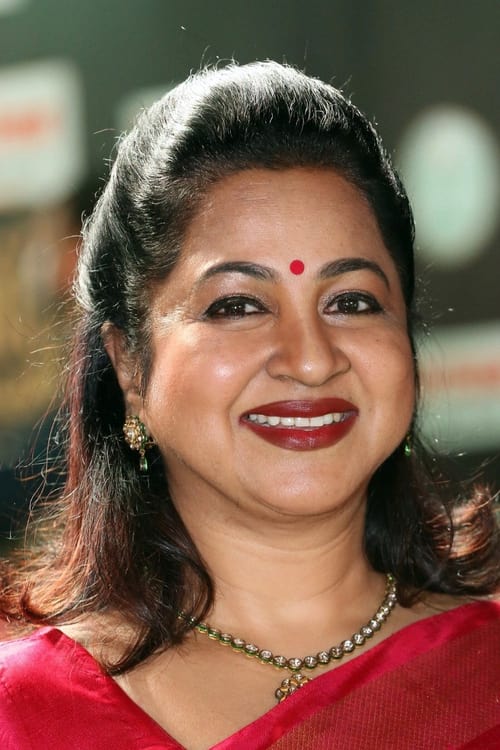
Kalaimagale Unnai Azhaigindren Song Lyrics is the track from Vadivangal Tamil Film – 1982, Starring Radhika Sarathkumar, Suhasini Maniratnam, Ramji. This song was sung by வாணி ஜெய்ராம். The music was composed by Chandrabose. Lyrics works penned by Vaali.
Track Credits & Star Cast
Music & Lyrics
Singers
Star Cast

Kalaimagale unnai azhaigindren Kaaviya suvaiyinai arigindren
Nilaiyaai isaiyudan inainthavalai Naan paadugindren
Kalaimagale unnai azhaigindren
Naattiya kalaiyae abhinayamaagum Nangaiyin mozhiye kavi nayamaagum
Naattiya kalaiyae abhinayamaagum Nangaiyin mozhiye kavi nayamaagum
Kalaimagale unnai azhaigindren
Thaamarai malaril vandugal aadum Thai thai endraey jadhi swaram paadum
Thaamarai malaril vandugal aadum Thai thai endraey jadhi swaram paadum
Malai meedhu thavazhnthaadum ven megangal
Mayilaada nindraadum poonjolaigal
Malai meedhu thavazhnthaadum ven megangal
Mayilaada nindraadum poonjolaigal
Kalaimagalae unnai azhaigindren Kaaviya suvaiyinai arigindren
Nilaiyaai isaiyudan inainthavalai Naan paadugindren
Kalaimagale unnai azhaigindren
Song Meaning & Analysis
The song "Kalaimagale Unnai Azhaigindren" is a heartfelt invocation to Kalaimagal, the Goddess Saraswati, who embodies arts, knowledge, and music. The lyricist, Vaali, beautifully expresses a deep reverence for the divine source of all creative expressions. The song portrays the Goddess as the eternal companion of music and the very essence of poetic beauty, suggesting that every artistic endeavor, from dance to poetry, finds its origin and perfection in her grace. The imagery of dance becoming expressive and a maiden's language transforming into poetic charm underscores the transformative power of art inspired by the divine.
Further, the lyrics draw parallels between natural phenomena and artistic expressions, illustrating the omnipresent beauty and rhythm in the world. The dancing clouds, swaying garments, and expressive eyes are metaphors for the dynamic and enchanting nature of art. The vivid descriptions of bees dancing on lotus flowers to rhythmic notes and peacocks dancing in flower gardens under the watchful white clouds on mountains evoke a sense of harmonious existence where nature itself performs a divine symphony. This song is a celebration of the profound connection between divinity, nature, and human creativity, presenting art as a spiritual journey and a sweet melody that resonates with the soul.
Frequently Asked Questions
Who is the singer of Kalaimagale Unnai Azhaigindren?
Kalaimagale Unnai Azhaigindren is sung by வாணி ஜெய்ராம்.
Which movie is Kalaimagale Unnai Azhaigindren from?
The song Kalaimagale Unnai Azhaigindren is featured in the movie Vadivangal.
Who wrote the lyrics for Kalaimagale Unnai Azhaigindren?
The lyrics for Kalaimagale Unnai Azhaigindren were written by Vaali with music composed by Chandrabose.
Is English translation available for Kalaimagale Unnai Azhaigindren lyrics?
Yes! Kalaimagale Unnai Azhaigindren lyrics from Vadivangal include line-by-line English translation, English transliteration, and native Tamil script on Lyricsverse.
What is the meaning of Kalaimagale Unnai Azhaigindren lyrics?
The song "Kalaimagale Unnai Azhaigindren" is a heartfelt invocation to Kalaimagal, the Goddess Saraswati, who embodies arts, knowledge, and music. The lyricist, Vaali, beautifully expresses a deep reverence for the divine source of all creative expressions. The song portrays the Goddess as the eternal companion of music and the very essence of poetic beauty, suggesting that every artistic endeavor, from dance to poetry, finds its origin and perfection in her grace. The imagery of dance becoming expressive and a maiden's language transforming into poetic charm underscores the transformative power of art inspired by the divine. Further, the lyrics draw parallels between natural phenomena and artistic expressions, illustrating the omnipresent beauty and rhythm in the world. The dancing clouds, swaying garments, and expressive eyes are metaphors for the dynamic and enchanting nature of art. The vivid descriptions of bees dancing on lotus flowers to rhythmic notes and peacocks dancing in flower gardens under the watchful white clouds on mountains evoke a sense of harmonious existence where nature itself performs a divine symphony. This song is a celebration of the profound connection between divinity, nature, and human creativity, presenting art as a spiritual journey and a sweet melody that resonates with the soul.