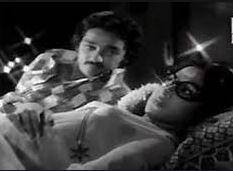
Kamban Emandhaan Lyrics
From the movie Nizhal Nijamagiradhu
Kamban Emandhaan Song Lyrics is the track from Nizhal Nijamagiradhu Tamil Film – 1978. This song was sung by எஸ். பி. பாலசுப்ரமணியம். The music was composed by M. S. Viswanathan. Lyrics works penned by Kannadasan.
Track Credits & Star Cast
Music & Lyrics
Singers
Star Cast
Not Specified
Kamban yaemaandhaan Ilam kanniyarai oru malar endraanae
Karpanai seidhaanae Kamban yaemaandhaan
Kamban yaemaandhaan Ilam kanniyarai oru malar endraanae
Karpanai seidhaanae Kamban yaemaandhaan
Ambu vizhi endru yaen sonnaan Adhu paaivadhinaal thaano
Ambu vizhi endru yaen sonnaan Adhu paaivadhinaal thaano
Aval arunjuvai paalena yaen sonnaan Adhu kodhippadhinaal thaano
Kamban yaemaandhaan
Dheebathin jodhiyil thirukkural padithaal Dheebathin perumaiyandro
Dheebathinaal oru nenjathai erithaal Dheebamum paavamandro
Kamban yaemaandhaan Ilam kanniyarai oru malar endraanae
Karpanai seidhaanae Kamban yaemaandhaan
Valluvan ilango bharathi endroru Varisaiyai naan kanden
Andha varisaiyil ullavar mattumalla Ada naanum yaemaandhaen
Aathiram enbadhu pengalukkellaam Aduppadi varai thaanae
Oru aadhikka naayagan saadhikka vandhaal Adangudhal murai thaanae
Kamban yaemaandhaan Ilam kanniyarai oru malar endraanae
Karpanai seidhaanae Kamban yaemaandhaan
Ha ha kamban yaemaandhaan…
Song Meaning & Analysis
This song, 'Kamban Emandhaan,' is a playful yet subtly critical take on how classical Tamil poets like Kamban idealized women. The male protagonist argues that poets were mistaken in comparing young women to delicate flowers, suggesting that women possess a fiery, complex nature that goes beyond such simple metaphors. He questions poetic descriptions, asking if eyes are called 'arrows' because they pierce hearts, and if a woman's essence is 'six-flavored milk' because it can boil with passion or anger, implying a deeper, more volatile nature than mere beauty.
The song further extends this critique to other revered poets like Valluvar, Ilango, and Bharathi, claiming that even the speaker himself was once similarly mistaken. The latter part of the song takes a more assertive, arguably chauvinistic, tone, suggesting that a woman's anger is limited to domestic spaces and that she should submit when a 'dominant hero' asserts himself. This reflects a common patriarchal viewpoint prevalent in cinema of that era, contrasting sharply with the initial playful critique of poetic idealization.
Frequently Asked Questions
Who is the singer of Kamban Emandhaan?
Kamban Emandhaan is sung by எஸ். பி. பாலசுப்ரமணியம்.
Which movie is Kamban Emandhaan from?
The song Kamban Emandhaan is featured in the movie Nizhal Nijamagiradhu.
Who wrote the lyrics for Kamban Emandhaan?
The lyrics for Kamban Emandhaan were written by Kannadasan with music composed by M. S. Viswanathan.
Is English translation available for Kamban Emandhaan lyrics?
Yes! Kamban Emandhaan lyrics from Nizhal Nijamagiradhu include line-by-line English translation, English transliteration, and native Tamil script on Lyricsverse.
What is the meaning of Kamban Emandhaan lyrics?
This song, 'Kamban Emandhaan,' is a playful yet subtly critical take on how classical Tamil poets like Kamban idealized women. The male protagonist argues that poets were mistaken in comparing young women to delicate flowers, suggesting that women possess a fiery, complex nature that goes beyond such simple metaphors. He questions poetic descriptions, asking if eyes are called 'arrows' because they pierce hearts, and if a woman's essence is 'six-flavored milk' because it can boil with passion or anger, implying a deeper, more volatile nature than mere beauty. The song further extends this critique to other revered poets like Valluvar, Ilango, and Bharathi, claiming that even the speaker himself was once similarly mistaken. The latter part of the song takes a more assertive, arguably chauvinistic, tone, suggesting that a woman's anger is limited to domestic spaces and that she should submit when a 'dominant hero' asserts himself. This reflects a common patriarchal viewpoint prevalent in cinema of that era, contrasting sharply with the initial playful critique of poetic idealization.