Kann Enbeno En Kanmani Lyrics
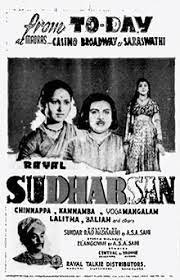
From the movie Sudharsan
Kann Enbeno En Kanmani Song Lyrics is the track from Sudharsan Tamil Film – 1951. This song was sung by கண்ணாம்பா. The music was composed by G. Ramanathan.
Track Credits & Star Cast
Kann enbaenoo en mani enbaenoo
En kann enbaenoo kannin mani enbaenoo
Kann enabaenoo en kannin mani enabaenoo
Karkandenbaeno katti karumbenbaenoo
Karkandenbaeno katti karumbenbaenoo
En selvamae ingae odivaa En selvamae inga odivaa vaa
En selvamae ingae odivaa
Ilanagaiyudan en edhirae aadavaa Ilanagaiyudan en edhirae aadavaa
Amudhunnavaa amudhunnavaa Enakkoru mutham kodukkava
Amudhunnavaa Enakkoru mutham kodukkavaa
Aaraaroo aariraaroo aa aa aa aa aa roo Aaraaroo oo oo oo oo
Song Meaning & Analysis
This song is a tender expression of immense love and affection, likely from a mother or a doting guardian to a child. The lyrics are filled with endearing terms, comparing the beloved child to the most precious and sweet things imaginable: the eye and its pupil (representing something indispensable and cherished), rock candy, and sugarcane (symbolizing sweetness and delight). The speaker yearns for the child's presence, inviting them to come closer, play, eat, and share a kiss, highlighting the deep emotional bond and the joy the child brings.
The song captures the playful interaction between the adult and the child, as seen in the child's initial playful refusal ("I won't come") followed by the adult's persistent, loving calls. It evokes a sense of warmth, innocence, and unconditional love, characteristic of lullabies or songs sung to young ones. The repeated calls and the gentle imagery create a serene and affectionate atmosphere, emphasizing the child's central place in the speaker's heart and life. The "Aaraaro" chant at the end further reinforces the lullaby-like quality, suggesting comfort and soothing.
Frequently Asked Questions
Who is the singer of Kann Enbeno En Kanmani?
Kann Enbeno En Kanmani is sung by கண்ணாம்பா.
Which movie is Kann Enbeno En Kanmani from?
The song Kann Enbeno En Kanmani is featured in the movie Sudharsan.
Who wrote the lyrics for Kann Enbeno En Kanmani?
The lyrics for Kann Enbeno En Kanmani were written by Unknown with music composed by G. Ramanathan.
Is English translation available for Kann Enbeno En Kanmani lyrics?
Yes! Kann Enbeno En Kanmani lyrics from Sudharsan include line-by-line English translation, English transliteration, and native Tamil script on Lyricsverse.
What is the meaning of Kann Enbeno En Kanmani lyrics?
This song is a tender expression of immense love and affection, likely from a mother or a doting guardian to a child. The lyrics are filled with endearing terms, comparing the beloved child to the most precious and sweet things imaginable: the eye and its pupil (representing something indispensable and cherished), rock candy, and sugarcane (symbolizing sweetness and delight). The speaker yearns for the child's presence, inviting them to come closer, play, eat, and share a kiss, highlighting the deep emotional bond and the joy the child brings. The song captures the playful interaction between the adult and the child, as seen in the child's initial playful refusal ("I won't come") followed by the adult's persistent, loving calls. It evokes a sense of warmth, innocence, and unconditional love, characteristic of lullabies or songs sung to young ones. The repeated calls and the gentle imagery create a serene and affectionate atmosphere, emphasizing the child's central place in the speaker's heart and life. The "Aaraaro" chant at the end further reinforces the lullaby-like quality, suggesting comfort and soothing.
Song Details
More from Sudharsan
Enna Seidhaai Appa
Sudharsan • G. Ramanathan
பி. யு. சின்னப்பா
Paaril Sandhai Koottam
Sudharsan • G. Ramanathan
பி. ஏ. பெரிய நாயகி
Pala Vagai Vadivulla
Sudharsan • G. Ramanathan
பி. யு. சின்னப்பா மற்றும் கண்ணாம்பா
Panduranga Naamam Baji
Sudharsan • G. Ramanathan
பி. பீ . ரங்காச்சாரி
Sree Dhamodara Jaya
Sudharsan • G. Ramanathan
பி. யு. சின்னப்பா
Suya Muyarchiyale Vazhalam
Sudharsan • G. Ramanathan
பி. யு. சின்னப்பா மற்றும் டி. ஆர். கஜலக்ஷ்மி