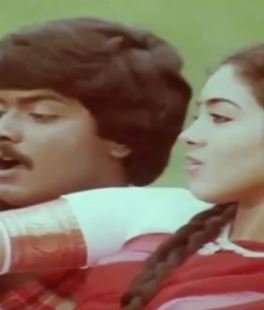
Kannana Kannae Lyrics
From the movie Kaalamellaam Un Madiyil
Kannana Kannae Song Lyrics is the track from Kaalamellaam Un Madiyil Tamil Film – 1986. This song was sung by கே. ஜே. யேசுதாஸ். The music was composed by Chandra Bose. Lyrics works penned by Vaali.
Track Credits & Star Cast
Music & Lyrics
Singers
Star Cast
Not Specified
Kannana kannae en pon maalaiyae Kai veesi pogindra poonjolaiyae
Naan paarkum un paarvai un kannilae En jenmam un anbilae
Madimel nilavae vidiyum poluthae
Kannana kannae en pon maalaiyae Kai veesi pogindra poonjolaiyae
Aaaaaaaaaaaa…laa laa laa laaa
Thaaiyaarai yaar endru kaanathavan Thaalaattu paatondrum kelathavan
Nee indri sondhangal illadhavan Nee annai nee pillai endraanavan
Unadhu sondham unadhu bandham Enadhu vaazhvin vasantha kaalam
Nee endhan devaalayam Kalai maan vizhiyae mazhalai mozhiyae
Ennalum kaayadha gangai nadhi En maarbil saaindhaadum thangai ival
Nee pogum pallaakku en thozhilae Nee thaanae kaar kaalam en vaanilae
Malarin meedhum nadakkum bothum Unadhu paadham sivanthu pogum
En nenjam thaangathu amma Sirithaal sirippen azhuthaal thudippen
Kannana kannae en pon maalaiyae Kai veesi pogindra poonjolaiyae
Naan paarkum un paarvai un kannilae En jenmam un anbilae
Madimel nilavae vidiyum poluthae
Kannana kannae en pon maalaiyae Kai veesi pogindra poonjolaiyae
Song Meaning & Analysis
This poignant song, "Kannana Kannae," is a heartfelt expression of a father's (or guardian's) unconditional love for his daughter. The lyrics convey a deep sense of protection, devotion, and the profound impact the child has had on his life. He describes himself as someone who never knew a mother's love or a lullaby, implying a lonely past, which the child has now filled with warmth and meaning, becoming both his mother and his child. The song beautifully illustrates how her presence has transformed his existence, bringing a "spring season" to his life and making her his sacred "temple."
The lyrics further emphasize his protective nature, likening her to a sacred, ever-flowing river and promising to carry her burdens ("palanquin on my shoulders"). He cherishes her delicate nature, fearing even flowers might redden her feet, and expresses an emotional bond so strong that her joy is his joy, and her sorrow is his pain. The song is a tender ode to the pure, selfless love between a parent and child, highlighting the child as the center of his universe and the source of all his happiness and purpose.
Frequently Asked Questions
Who is the singer of Kannana Kannae?
Kannana Kannae is sung by கே. ஜே. யேசுதாஸ்.
Which movie is Kannana Kannae from?
The song Kannana Kannae is featured in the movie Kaalamellaam Un Madiyil.
Who wrote the lyrics for Kannana Kannae?
The lyrics for Kannana Kannae were written by Vaali with music composed by Chandra Bose.
Is English translation available for Kannana Kannae lyrics?
Yes! Kannana Kannae lyrics from Kaalamellaam Un Madiyil include line-by-line English translation, English transliteration, and native Tamil script on Lyricsverse.
What is the meaning of Kannana Kannae lyrics?
This poignant song, "Kannana Kannae," is a heartfelt expression of a father's (or guardian's) unconditional love for his daughter. The lyrics convey a deep sense of protection, devotion, and the profound impact the child has had on his life. He describes himself as someone who never knew a mother's love or a lullaby, implying a lonely past, which the child has now filled with warmth and meaning, becoming both his mother and his child. The song beautifully illustrates how her presence has transformed his existence, bringing a "spring season" to his life and making her his sacred "temple." The lyrics further emphasize his protective nature, likening her to a sacred, ever-flowing river and promising to carry her burdens ("palanquin on my shoulders"). He cherishes her delicate nature, fearing even flowers might redden her feet, and expresses an emotional bond so strong that her joy is his joy, and her sorrow is his pain. The song is a tender ode to the pure, selfless love between a parent and child, highlighting the child as the center of his universe and the source of all his happiness and purpose.


