Kannanukku Porutham Lyrics
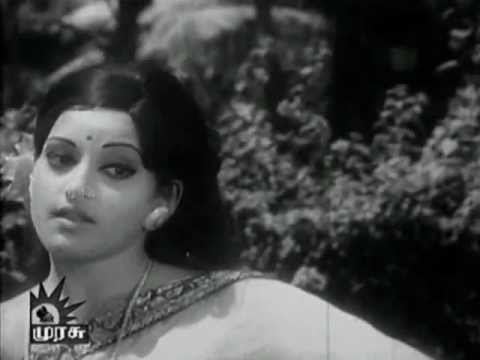
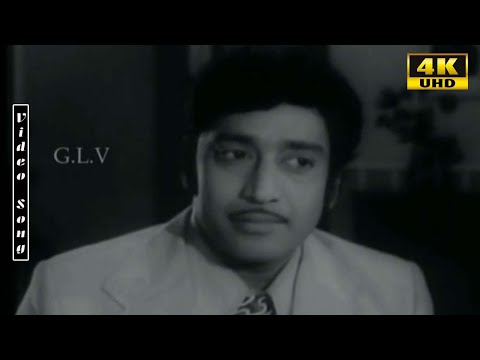
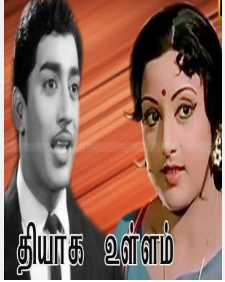
From the movie Thiyaga Ullam
Kannanukku Porutham Song Lyrics is the track from Thiyaga Ullam Tamil Film – 1975. This song was sung by டி. எம். சௌந்தரராஜன் மற்றும் பி. சுஷீலா. The music was composed by V. Kumar. Lyrics works penned by Kannadasan.
Track Credits & Star Cast
Music & Lyrics
Singers
Star Cast
Not Specified
Kannanukku poruththam Rathai naan devi naan
Mannan unthan thevai Enna kannaa
Kanni enthan ullaththil Karpanai thanthavan
En devan neeyallavo En devan neeyallavo
Kannan ennai rasikkum Rathai nee devi nee
Mannan thevai unthan Nenjam kannae
Kadhal konda ullaththil Karpanai thanthaval
En devi neeyallavo En devi neeyallavo
Mogam ennum megam vanthu Mothum anthi neram
Thegam ennum vaanam thannai Saernthaal veppam theerum
Aamogam ennum megam vanthu Mothum anthi neram
Thegam ennum vaanam thannai Saernthaal veppam theerum
Acham endra puththagaththil Eththaniyo pakkam
Itchai endra thaththuvaththil Endrumillai vekkam
Aanaalum pudhithallavo Idhu aaramba kadhaiyallavo
Kannan ennai rasikkum Rathai nee devi nee
Mannan thevai unthan Nenjam kannae
Kanni enthan ullaththil Karpanai thanthavan
En devan neeyallavo En devi neeyallavo
Aadai kondu paadum penmai Oodal kondathunmai
Aasai pongum maarbil vanthu Saainthaal ingu nanmai
Alli alli unnum pothu Innum enna micham
Ellai meeri pogumpothu Penmai vanthu mechum
Ponmaalai sugam allavo Idhu pollaatha kurumpallvo
Kannanukku poruththam Rathai naan devi naan
Mannan unthan thevai Enna kannaa
Kadhal konda ullaththil Karpanai thanthaval
En devi neeyallavo En devan neeyallavo
Song Meaning & Analysis
This song, "Kannanukku Porutham," is a classic romantic duet from the 1975 film 'Thiyaga Ullam,' beautifully sung by T. M. Soundararajan and P. Susheela. It portrays a passionate conversation between a lover (Kannan, representing Krishna) and his beloved (Radha), expressing their deep affection, longing, and mutual admiration. The lyrics, penned by Kannadasan, are rich with poetic metaphors, comparing their bodies to skies and clouds of desire, and exploring the delicate balance between modesty, desire, and the thrill of new love. It captures the essence of a blossoming romance where both partners acknowledge their roles as divine counterparts to each other.
The song delves into the emotional landscape of love, where initial hesitations (the "book called fear") give way to uninhibited desire ("philosophy called desire"). It celebrates the joy of physical and emotional union, suggesting that true intimacy transcends boundaries and is met with approval from one's inner self. The playful banter about "mischievous naughtiness" and the "joy of a golden evening" encapsulates the sweet, intoxicating nature of their bond, making it a timeless ode to romantic love and devotion, reminiscent of the eternal love story of Radha and Krishna.
Frequently Asked Questions
Who is the singer of Kannanukku Porutham?
Kannanukku Porutham is sung by டி. எம். சௌந்தரராஜன் மற்றும் பி. சுஷீலா.
Which movie is Kannanukku Porutham from?
The song Kannanukku Porutham is featured in the movie Thiyaga Ullam.
Who wrote the lyrics for Kannanukku Porutham?
The lyrics for Kannanukku Porutham were written by Kannadasan with music composed by V. Kumar.
Is English translation available for Kannanukku Porutham lyrics?
Yes! Kannanukku Porutham lyrics from Thiyaga Ullam include line-by-line English translation, English transliteration, and native Tamil script on Lyricsverse.
What is the meaning of Kannanukku Porutham lyrics?
This song, "Kannanukku Porutham," is a classic romantic duet from the 1975 film 'Thiyaga Ullam,' beautifully sung by T. M. Soundararajan and P. Susheela. It portrays a passionate conversation between a lover (Kannan, representing Krishna) and his beloved (Radha), expressing their deep affection, longing, and mutual admiration. The lyrics, penned by Kannadasan, are rich with poetic metaphors, comparing their bodies to skies and clouds of desire, and exploring the delicate balance between modesty, desire, and the thrill of new love. It captures the essence of a blossoming romance where both partners acknowledge their roles as divine counterparts to each other. The song delves into the emotional landscape of love, where initial hesitations (the "book called fear") give way to uninhibited desire ("philosophy called desire"). It celebrates the joy of physical and emotional union, suggesting that true intimacy transcends boundaries and is met with approval from one's inner self. The playful banter about "mischievous naughtiness" and the "joy of a golden evening" encapsulates the sweet, intoxicating nature of their bond, making it a timeless ode to romantic love and devotion, reminiscent of the eternal love story of Radha and Krishna.