Kolli Malai Saralamma Lyrics
From the movie Jakkamma
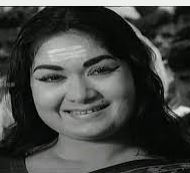
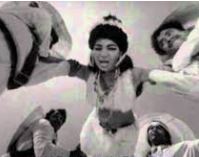
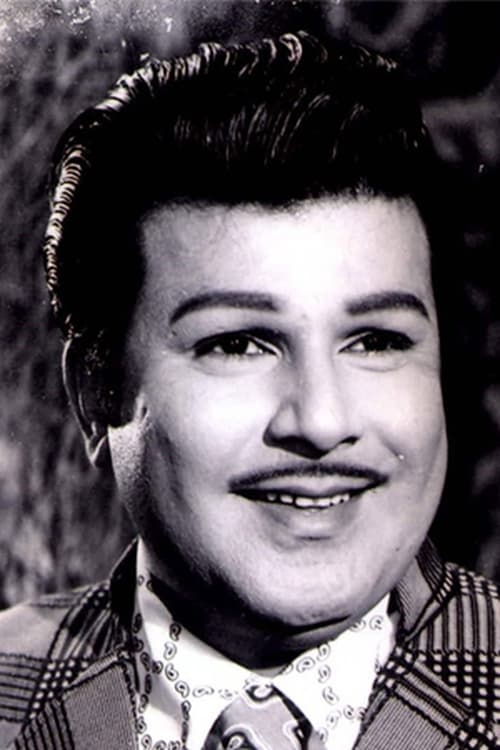
Kolli Malai Saralamma Song Lyrics is the track from Jakkamma Tamil Film – 1972, Starring Savitri, Jaishankar, Usharani, S. A. Asokan, C L Anandan, K. Kannan, Thengai Srinivasan, Manorama, S. V. Subbaiah, Chittoor V. Nagayya. This song was sung by எம். எஸ். ஷீலா. The music was composed by S. M. Subbaiah Naidu.
Track Credits & Star Cast
Music & Lyrics
Singers
Star Cast


Kollimalai saaral amma Kuliradikkum boomiyamma
Kollimalai saaral amma Kuliradikkum boomiyamma
Mangalamaai angu oru maanirundhathu Andha maanodu aan maanum vaazhnthirunthadhu
Chinna chinna kutty rendu Sirikkum thanga petti rendu
Chinna chinna kutty rendu
Sirikkum thanga petti rendu
Sernthiruntha maangalukku pirandhu vandhadhu
Andha jeevanodu paasam ennum virundhu vandhadhu
Kollimalai saaral amma Kuliradikkum boomiyamma
Ooril oru vedan amma Uyir parikkum paaviyamma
Ooril oru vedan amma Uyir parikkum paaviyamma
Ooralavum illaiyamma karunai enbadhu Avan ullathilae pirandhadhu kodumai enbadhu
Ooralavum illaiyamma karunai enbadhu Avan ullathilae pirandhadhu kodumai enbadhu
Kaattu vedan thudithu vandhaan
Vaettaiyadi mudikka vandhaan
Kandu konda aan maanoo kobam kondathu
Andha kalathinilae aan maanin uyir pirinthathu
Manammuditha kanavanaukku Maalaiyidu katti veithu
Dhinam adhai pen maanae Thozhudhu vandhadhu
Thann chinna chinna kuttigalai Thozhavum sonnadhu
Purinthavarai puriyum endru Mudinthavarai solli vitten
Irundha kadhai ivvalavae ennidathilae Ini edhirkaalam yaavaiyumae unnidathilae
Ini edhirkaalam yaavaiyumae unnidathilae
Song Meaning & Analysis
This song from 'Jakkamma' (1972) tells a poignant tale of a deer family in the Kollimalai mountains. It beautifully sets the scene of a serene, cold landscape where a male and female deer live happily with their two fawns, symbolizing love and familial bliss. The fawns are described as "smiling golden boxes," emphasizing their preciousness. The narrative then introduces a cruel hunter, devoid of mercy, who disrupts this idyllic life. The male deer bravely confronts the hunter to protect his family, ultimately sacrificing his life.
The second part of the song focuses on the aftermath of this tragedy. The female deer, now a widow, continues to honor her deceased husband by worshipping a symbolic garland, and teaches her fawns to do the same, instilling a sense of remembrance and respect. The song concludes with the narrator stating that this is the extent of the story they know, implying that the future of the female deer and her fawns, and perhaps the broader message of resilience and justice, now rests with the listener. It's a powerful narrative about love, loss, sacrifice, and the enduring spirit of a mother protecting her young.
Frequently Asked Questions
Who is the singer of Kolli Malai Saralamma?
Kolli Malai Saralamma is sung by எம். எஸ். ஷீலா.
Which movie is Kolli Malai Saralamma from?
The song Kolli Malai Saralamma is featured in the movie Jakkamma.
Who wrote the lyrics for Kolli Malai Saralamma?
The lyrics for Kolli Malai Saralamma were written by Unknown with music composed by S. M. Subbaiah Naidu.
Is English translation available for Kolli Malai Saralamma lyrics?
Yes! Kolli Malai Saralamma lyrics from Jakkamma include line-by-line English translation, English transliteration, and native Tamil script on Lyricsverse.
What is the meaning of Kolli Malai Saralamma lyrics?
This song from 'Jakkamma' (1972) tells a poignant tale of a deer family in the Kollimalai mountains. It beautifully sets the scene of a serene, cold landscape where a male and female deer live happily with their two fawns, symbolizing love and familial bliss. The fawns are described as "smiling golden boxes," emphasizing their preciousness. The narrative then introduces a cruel hunter, devoid of mercy, who disrupts this idyllic life. The male deer bravely confronts the hunter to protect his family, ultimately sacrificing his life. The second part of the song focuses on the aftermath of this tragedy. The female deer, now a widow, continues to honor her deceased husband by worshipping a symbolic garland, and teaches her fawns to do the same, instilling a sense of remembrance and respect. The song concludes with the narrator stating that this is the extent of the story they know, implying that the future of the female deer and her fawns, and perhaps the broader message of resilience and justice, now rests with the listener. It's a powerful narrative about love, loss, sacrifice, and the enduring spirit of a mother protecting her young.