Kudumbathin Thalaivi Lyrics
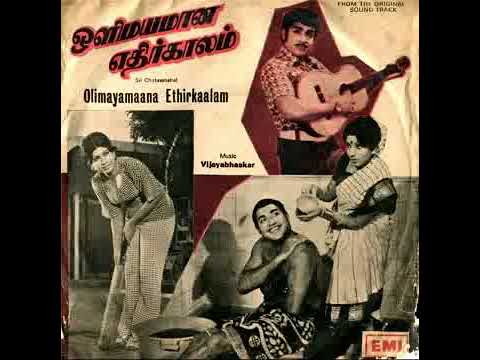
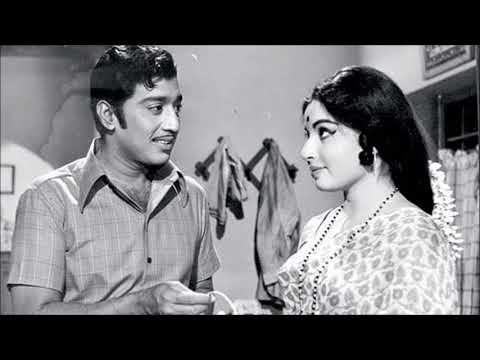
From the movie Olimayamana Ethirkalam
Kudumbathin Thalaivi Song Lyrics is the track from Olimayamana Ethirkalam Tamil Film – 1977. This song was sung by வாணி ஜெய்ராம். The music was composed by K. Vijaya Baskar. Lyrics works penned by Vaali.
Track Credits & Star Cast
Music & Lyrics
Singers
Star Cast
Not Specified
Kudumbathin thalaivi kulavilakku Kudumbathin thalaivi kulavilakku
Kondavan manthil saravilakku Olimayamaanathu illaramae
Kudumbathin thalaivi kulavilakku
Kaalaiyil ezhunthathum manjalil kuliththu
Aa…aa…aaaah…aa…aa…aa…
Kaalaiyil ezhunthathum manjalil kuliththu
Kanavanin nalangalai deivam vaazhaatho
Nalla penmaniyaaga kudumbam nadaththida vendum
Nalla penmaniyaaga kudumbam nadaththida vendum
Uyarntha panbugalai endrum mathithu varum
Sirantha pengalidam deivam vaazhaatho
Kudumbathin thalaivi kulavilakku
Kuzhanthaigal peruvathum maarbudan valarppathum
Aa…aaaaaa…aahaaaa
Kuzhanthaigal peruvathum maarbudan valarppathum
Kodhaiyin kulaththukku kadavlin parisu
Thaaimai karunaiyin vadivam Ulagam muzhuvathum vanangum
Thaaimai karunaiyin vadivam Ulagam muzhuvathum vanangum
Kallangabadamindri pillai selvangalai Konji valarththuvidu deivam paaraattum
Kudumbathin thalaivi kulavilakku Kondavan manthil saravilakku
Olimayamaanathu illaramae
Kudumbathin thalaivi kulavilakku
Song Meaning & Analysis
This song, 'Kudumbathin Thalaivi', from the 1977 film 'Olimayamana Ethirkalam', is a poignant ode to the traditional role and virtues of a woman as the matriarch of a family. It extols her as the "lamp of the lineage" and the source of radiance in domestic life. The lyrics paint a picture of an ideal wife and mother, highlighting her daily rituals, her dedication to her husband's welfare, and her embodiment of noble virtues. The song suggests that such a woman, through her selfless devotion and adherence to traditional values, becomes a vessel for divine grace within the household.
The second paragraph delves into the sacred aspect of motherhood, portraying it as a divine gift and the very embodiment of compassion. It emphasizes the importance of raising children with pure love and affection, free from guile, promising that such nurturing will earn divine praise. The song, therefore, serves as a cultural commentary on the revered status of women in their roles as wives and mothers, underscoring the belief that their contributions are fundamental to the harmony, prosperity, and spiritual well-being of the family and society at large. It reflects the societal expectations and ideals placed upon women during that era.
Frequently Asked Questions
Who is the singer of Kudumbathin Thalaivi?
Kudumbathin Thalaivi is sung by வாணி ஜெய்ராம்.
Which movie is Kudumbathin Thalaivi from?
The song Kudumbathin Thalaivi is featured in the movie Olimayamana Ethirkalam.
Who wrote the lyrics for Kudumbathin Thalaivi?
The lyrics for Kudumbathin Thalaivi were written by Vaali with music composed by K. Vijaya Baskar.
Is English translation available for Kudumbathin Thalaivi lyrics?
Yes! Kudumbathin Thalaivi lyrics from Olimayamana Ethirkalam include line-by-line English translation, English transliteration, and native Tamil script on Lyricsverse.
What is the meaning of Kudumbathin Thalaivi lyrics?
This song, 'Kudumbathin Thalaivi', from the 1977 film 'Olimayamana Ethirkalam', is a poignant ode to the traditional role and virtues of a woman as the matriarch of a family. It extols her as the "lamp of the lineage" and the source of radiance in domestic life. The lyrics paint a picture of an ideal wife and mother, highlighting her daily rituals, her dedication to her husband's welfare, and her embodiment of noble virtues. The song suggests that such a woman, through her selfless devotion and adherence to traditional values, becomes a vessel for divine grace within the household. The second paragraph delves into the sacred aspect of motherhood, portraying it as a divine gift and the very embodiment of compassion. It emphasizes the importance of raising children with pure love and affection, free from guile, promising that such nurturing will earn divine praise. The song, therefore, serves as a cultural commentary on the revered status of women in their roles as wives and mothers, underscoring the belief that their contributions are fundamental to the harmony, prosperity, and spiritual well-being of the family and society at large. It reflects the societal expectations and ideals placed upon women during that era.
Music Video