Makka Kalanguthappa Lyrics
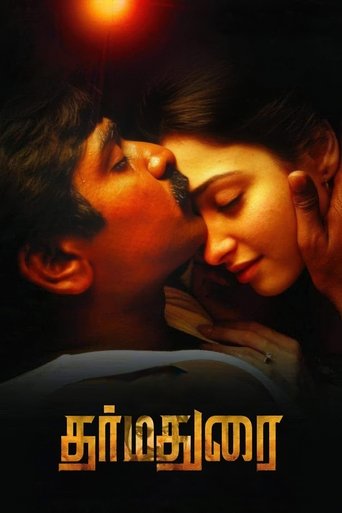
From the movie Dharmadurai
Makka Kalanguthappa Song Lyrics is the track from Dharmadurai Tamil Film – 2016, Starring Vijay Sethupathi, Tamannaah Bhatia, Srushti Dange, Aishwarya Rajesh, Radhika Sarathkumar, Aruldoss, M. S. Bhaskar, Rajesh, Soundara Raja, Ganja Karuppu. This song was sung by Seethupathi, Tamannaah, Aishwarya Rajesh, Srushti Dange. The music was composed by Yuvan Shankar Raja. Lyrics works penned by Mathichiyam Bala.
Track Credits & Star Cast
Music & Lyrics
Singers
Star Cast


Iraiva un maaligayil Eththanaiyo mani vilakku
Thalaivaa un kaaladaiyil Nambikkaiyin oli vilakku
Nambikkaiyin oli vilakku
Makka kalanguthappa Makka kalanguthappaa
Madi pudichu ilukkuthappaa
Naadu kalanguthappaa Naattu makka thavikkuthappaa
Enna peththa magaraasaa
Change the mood Start the music
Makka kalanguthappaa Madi pudichu ilukkuthappaa
Makka kalanguthappaa Madi pudichu ilukkuthappaa
Naadu kalanguthappaa Naadu kalanguthappaa
Naattu makka thavikkuthappaa Enna peththa magaraasaa
{Nee enna peththa magaraasaa Indha oora kaakkum raasa } (2)
Rosa poo maala pottu Rosa poo maala pottu
Raasa nee amarndhirukka
Atherumae manakkuthappa Atherumae manakkuthappa
Panneerin vaadaiyappaa
Angam manakkum raasaa {Hey angam manakkum raasaa
Indha oora kaakkum raasaa} (2)
Paarthaalae paccha mugam Paarthaalae paccha mugam
Paalu vadiyum mugam Paarthaalae paccha mugam
Paalu vadiyum mugam Pachcha mugathazhagaa
En raasaa
Nee paralogam Engala vittu paralogam
Raasaa paralogam Poneeyappa yen raasaa
Neenga paralogam poneengalae Yen raasaa
Makka kalanguthappaa Makka kalanguthappaa
Madi pudichu ilukkuthappaa
Naadu kalanguthappaa Naattu makka thavikkuthappaa
Enna peththa magaraasaa Intha oora kaakum raasa
Nee enna peththa magaraasaa Intha oora kaakum raasa
Song Meaning & Analysis
This song is a poignant folk elegy, expressing deep sorrow and collective mourning for a revered leader or a beloved individual. The lyrics convey the profound distress felt by the entire community, referred to as 'makka' (people) and 'naadu' (land/country). The deceased is addressed with immense respect as a 'magaraasaa' (great king) who nurtured and protected the town, and their absence leaves the people in despair, metaphorically 'pulling at their garments' in a desperate plea or lament.
The song beautifully describes the departed leader's pure and innocent nature, with imagery like a 'face that exudes milk' and a body fragrant with rosewater, adorned with rose garlands. The repeated emphasis on the distress of both the people and the land highlights the widespread impact of this loss. The final lines confirm the leader's journey to 'paralogam' (heavens), solidifying the theme of death and the community's profound grief over being left behind by their protector. It's a heartfelt expression of collective sorrow and reverence.
Frequently Asked Questions
Who is the singer of Makka Kalanguthappa?
Makka Kalanguthappa is sung by Seethupathi, Tamannaah, Aishwarya Rajesh, Srushti Dange.
Which movie is Makka Kalanguthappa from?
The song Makka Kalanguthappa is featured in the movie Dharmadurai.
Who wrote the lyrics for Makka Kalanguthappa?
The lyrics for Makka Kalanguthappa were written by Mathichiyam Bala with music composed by Yuvan Shankar Raja.
Is English translation available for Makka Kalanguthappa lyrics?
Yes! Makka Kalanguthappa lyrics from Dharmadurai include line-by-line English translation, English transliteration, and native Tamil script on Lyricsverse.
What is the meaning of Makka Kalanguthappa lyrics?
This song is a poignant folk elegy, expressing deep sorrow and collective mourning for a revered leader or a beloved individual. The lyrics convey the profound distress felt by the entire community, referred to as 'makka' (people) and 'naadu' (land/country). The deceased is addressed with immense respect as a 'magaraasaa' (great king) who nurtured and protected the town, and their absence leaves the people in despair, metaphorically 'pulling at their garments' in a desperate plea or lament. The song beautifully describes the departed leader's pure and innocent nature, with imagery like a 'face that exudes milk' and a body fragrant with rosewater, adorned with rose garlands. The repeated emphasis on the distress of both the people and the land highlights the widespread impact of this loss. The final lines confirm the leader's journey to 'paralogam' (heavens), solidifying the theme of death and the community's profound grief over being left behind by their protector. It's a heartfelt expression of collective sorrow and reverence.