Malai Arasi Sakthi Lyrics
From the movie Vijeya
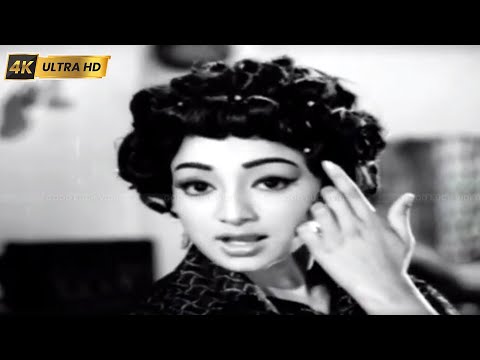
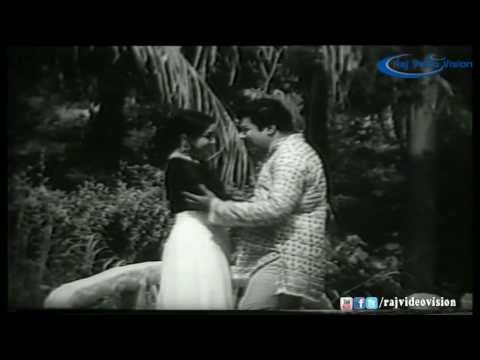
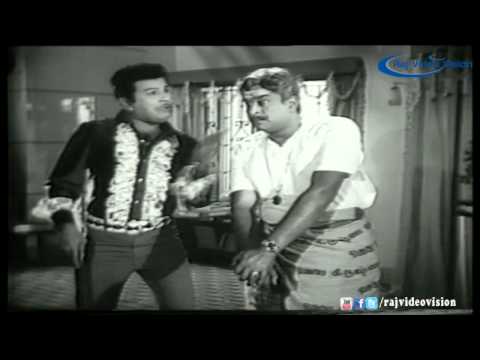
Malai Arasi Sakthi Song Lyrics is the track from Vijeya Tamil Film – 1973. This song was sung by பி. சுஷீலா மற்றும் எல். ஆர். ஈஸ்வரி. The music was composed by G. Devarajan. Lyrics works penned by Kannadasan.
Track Credits & Star Cast
Music & Lyrics
Singers
Star Cast
Not Specified
Singer : P. Susheela and L. R. Eswari
Malaiyarasi sakthi meenaatchi Intha mandalam engum un arasaatchi
Kulamagalir thamakku kannkaatchi Avar kulaththukkum kunaththukkum nee saatchi
Malaiyarasi sakthi meenaatchi Intha mandalam engum un arasaatchi
Kulamagalir thamakku kannkaatchi Avar kulaththukkum kunaththukkum nee saatchi
My life modern life Sweet life and happy life
Naagareegam en deivam Pudhu nadanamae enthan selvam
kalaigalum pudhiya nilaigalum kandu Iravilum antha nilavilum aadum
Ada naagareegam en deivam
Adakkaththilae pirantha panpaadu
Nee aliththathilae valarntha thennaadu
Silappathikaaram ennum pugazh yaedu kanda
Selvangal vaazhuvathum un veedu
Malaiyarasi sakthi meenaatchi…
Modern life is jolly Udai maaruvathum pudhu paani
Vaaliparudanae aattam Idhu vasantha kaala thottam
Koondhalai vetti aangalai thottu Aadinaal maeni thullum
Kondu vaa kinnam oottruven innum Kinnamae bodhai kollum
Naagareegam en deivam Pudhu nadanamae enthan selvam
Saththiya kungumaththil naan vaazha
Antha tharumaththin naayaganin pugazh sera
Sakthiyammaa unathu thunai vendum
Enthan santhathiyum perumai pera vendum
Malaiyarasi sakthi meenaatchi…
Sikkena idaiyai kulukku Sivantha idhazhaal mayakku
Jappan naattai ninaiththu Tamizhar naattai thiruththu
Pazhamai maraiya pudhumai malara paadupadu
Naagareegam en deivam Pudhu nadanamae enthan selvam
Bharatha kalaikalukku thaai neeyae Aangila pengalin
Paathaiyil maarattum innaadu Tamil paattukkum pechukkum thalai neeyae
Caprae nadanam shake-kkum twisttum neeyaadu
Kaaviya naayagi Kannkanda deivamae
Un kaavalilae ennai valarppaayae
Song Meaning & Analysis
This song from the 1973 movie 'Vijeya' presents a fascinating duality, reflecting the societal shifts and cultural dialogues of its time. It opens with a traditional devotional ode to Goddess Meenakshi, hailing her as the powerful Mountain Queen whose reign encompasses the world, a protector and witness to the virtue of women and their heritage. This segment embodies reverence for ancient Tamil culture, modesty, and the rich history symbolized by epics like Silappathikaram, portraying the Southland as a sacred space nurtured by the divine.
However, the song sharply contrasts this traditional perspective with a bold embrace of modernity. A second voice declares "Modernity is my deity," celebrating new dances, changing styles, and a "jolly" modern life. This part advocates for breaking traditional norms – cutting hair, interacting freely with men, and indulging in revelry, even suggesting a desire to "reform the Tamil nation" by adopting foreign influences like Japan and English women's ways, embracing cabaret, shake, and twist dances. The song thus becomes a vibrant dialogue between the sanctity of tradition and the allure of contemporary freedom, culminating in a plea to the Goddess for protection, perhaps seeking her blessing even amidst these evolving desires.
Frequently Asked Questions
Who is the singer of Malai Arasi Sakthi?
Malai Arasi Sakthi is sung by பி. சுஷீலா மற்றும் எல். ஆர். ஈஸ்வரி.
Which movie is Malai Arasi Sakthi from?
The song Malai Arasi Sakthi is featured in the movie Vijeya.
Who wrote the lyrics for Malai Arasi Sakthi?
The lyrics for Malai Arasi Sakthi were written by Kannadasan with music composed by G. Devarajan.
Is English translation available for Malai Arasi Sakthi lyrics?
Yes! Malai Arasi Sakthi lyrics from Vijeya include line-by-line English translation, English transliteration, and native Tamil script on Lyricsverse.
What is the meaning of Malai Arasi Sakthi lyrics?
This song from the 1973 movie 'Vijeya' presents a fascinating duality, reflecting the societal shifts and cultural dialogues of its time. It opens with a traditional devotional ode to Goddess Meenakshi, hailing her as the powerful Mountain Queen whose reign encompasses the world, a protector and witness to the virtue of women and their heritage. This segment embodies reverence for ancient Tamil culture, modesty, and the rich history symbolized by epics like Silappathikaram, portraying the Southland as a sacred space nurtured by the divine. However, the song sharply contrasts this traditional perspective with a bold embrace of modernity. A second voice declares "Modernity is my deity," celebrating new dances, changing styles, and a "jolly" modern life. This part advocates for breaking traditional norms – cutting hair, interacting freely with men, and indulging in revelry, even suggesting a desire to "reform the Tamil nation" by adopting foreign influences like Japan and English women's ways, embracing cabaret, shake, and twist dances. The song thus becomes a vibrant dialogue between the sanctity of tradition and the allure of contemporary freedom, culminating in a plea to the Goddess for protection, perhaps seeking her blessing even amidst these evolving desires.
Music Video