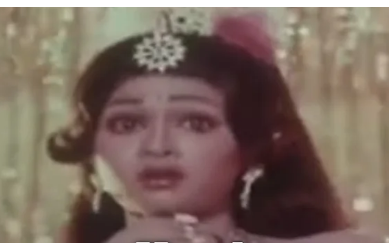
Mamana Machana Lyrics
From the movie Urimai Thedum Uravu
Mamana Machana Song Lyrics is the track from Urimai Thedum Uravu Tamil Film – 1984. This song was sung by வாணி ஜெய்ராம். The music was composed by Madhan Thamu. Lyrics works penned by Sakthidass.
Track Credits & Star Cast
Music & Lyrics
Singers
Star Cast
Not Specified
Mamanaa machchanaa Yaaraayirunthaa enakkenna
Mamanaa machchanaa Yaaraayirunthaa enakkenna
Kaasu irunthaa kazhuthakooda Mamanthaan machchanthaan
Mamanaa machchanaa Yaaraayirunthaa enakkenna enakkenna
Ponnil piranththu en maeni Poovaai malarnthathu pudhu maeni
Ponnil piranththu en maeni Poovaai malarnthathu pudhu maeni
Suvaiththaal inikkum Sorkkam irukkuthu ennidamae
Suvaiththaal inikkum Sorkkam irukkuthu ennidamae
Mamanaa machchanaa Yaaraayirunthaa enakkenna
Kaasu irunthaa kazhuthakooda Mamanthaan machchanthaan
Mamanaa machchanaa Yaaraayirunthaa enakkenna haah enakkenna
Ilamai irukkuthu ennidamae Selvam irukkuthu unnidamae
Ilamai irukkuthu ennidamae Selvam irukkuthu unnidamae
Irandum inainthaal Thunbam paranthu oodidumae
Irandum inainthaal Thunbam paranthu oodidumae
Mamanaa machchanaa Yaaraayirunthaa enakkenna
Kaasu irunthaa kazhuthakooda Mamanthaan machchanthaan
Mamanaa machchanaa Yaaraayirunthaa enakkenna haah enakkenna
Song Meaning & Analysis
This song, "Mamana Machana," from the 1984 film 'Urimai Thedum Uravu,' presents a bold and pragmatic perspective on relationships and societal values, particularly from a woman's viewpoint. The lyrics cynically assert that familial titles like "uncle" or "brother-in-law" hold no inherent meaning; rather, it is wealth that dictates respect and connection. The repeated line, "If there's money, even a donkey is an uncle, is a brother-in-law," starkly highlights a transactional world where financial status trumps genuine kinship or affection. The singer, likely portraying a courtesan or a woman who trades her charm for sustenance, openly declares her body as precious ("born of gold," "blossomed like a flower") and promises "heaven" to those who "taste" it.
The song further emphasizes this transactional dynamic by stating, "Youth resides within me, wealth resides within you." It proposes a mutually beneficial exchange where her youth and allure combine with the man's wealth to banish sorrows. This reflects a character who is acutely aware of her value in a society that commodifies beauty and youth, and she leverages it with a clear-eyed, unsentimental approach. The overall mood is one of defiant pragmatism, challenging conventional notions of love and family by placing monetary gain at the forefront of human interactions.
Frequently Asked Questions
Who is the singer of Mamana Machana?
Mamana Machana is sung by வாணி ஜெய்ராம்.
Which movie is Mamana Machana from?
The song Mamana Machana is featured in the movie Urimai Thedum Uravu.
Who wrote the lyrics for Mamana Machana?
The lyrics for Mamana Machana were written by Sakthidass with music composed by Madhan Thamu.
Is English translation available for Mamana Machana lyrics?
Yes! Mamana Machana lyrics from Urimai Thedum Uravu include line-by-line English translation, English transliteration, and native Tamil script on Lyricsverse.
What is the meaning of Mamana Machana lyrics?
This song, "Mamana Machana," from the 1984 film 'Urimai Thedum Uravu,' presents a bold and pragmatic perspective on relationships and societal values, particularly from a woman's viewpoint. The lyrics cynically assert that familial titles like "uncle" or "brother-in-law" hold no inherent meaning; rather, it is wealth that dictates respect and connection. The repeated line, "If there's money, even a donkey is an uncle, is a brother-in-law," starkly highlights a transactional world where financial status trumps genuine kinship or affection. The singer, likely portraying a courtesan or a woman who trades her charm for sustenance, openly declares her body as precious ("born of gold," "blossomed like a flower") and promises "heaven" to those who "taste" it. The song further emphasizes this transactional dynamic by stating, "Youth resides within me, wealth resides within you." It proposes a mutually beneficial exchange where her youth and allure combine with the man's wealth to banish sorrows. This reflects a character who is acutely aware of her value in a society that commodifies beauty and youth, and she leverages it with a clear-eyed, unsentimental approach. The overall mood is one of defiant pragmatism, challenging conventional notions of love and family by placing monetary gain at the forefront of human interactions.


