Maname Mayangathae Lyrics
From the movie Kanmaniye Pesu
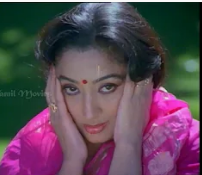
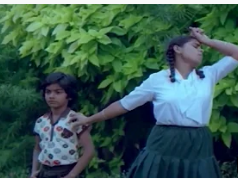
Maname Mayangathae Song Lyrics is the track from Kanmaniye Pesu Tamil Film – 1986, Starring Sivakumar, Lakshmi, Ambika, Ashwini, Ra. Sankaran, Poornam Viswanathan, Samikannu, P. R. Varalakshmi. This song was sung by கே. ஜே. ஜேசுதாஸ். The music was composed by Raveendran. Lyrics works penned by Vairamuthu.
Track Credits & Star Cast
Music & Lyrics
Singers


Manamae mayangaathae vidiyum kalangaathae Vidhi seitha velaiyadi magalae
Kulamagal kolangal ponathae
Manamae mayangaathae vidiyum kalangaathae…
Vaazhnthu paarththathu vaadagai vaazhkkai
Uriyaval vanthaal vazhi vidadi
Poosi paarththathu yaar thantha manjal
Aval manjal thaanae azhiththidadi
Adadaa kalainthathu maangalya vesham Naalaikku veroru naadagam
Manamae mayangaathae vidiyum kalangaathae…
Oomai naadagam yaenadi pennae Unmaiyai solla thayakkam enna
Pillai seitha paavamum enna Vellai selaiyai maruppathenna
Vazhakkil kuzhappangal theerppugal engae Vaazhvathu naadaga vaazhkkaiyae
Manamae mayangaathae vidiyum kalangaathae Vidhi seitha velaiyadi magalae
Kulamagal kolangal ponathae
Manamae mayangaathae vidiyum kalangaathae…
Song Meaning & Analysis
The song "Maname Mayangathae" from the movie 'Kanmaniye Pesu' is a poignant and philosophical reflection on the transient nature of life and relationships, particularly from the perspective of a woman facing a profound loss or change in her marital status. The lyrics, penned by Vairamuthu, convey a message of resilience and acceptance in the face of destiny. It speaks to a woman who is being urged not to despair, as her current situation, described as a "rented life" and a "guise of marriage," is coming to an end, making way for a new chapter or a "rightful one." The imagery of "erasing the turmeric" and the "adornments of a virtuous wife are gone" strongly suggests the dissolution of a marriage, possibly due to the arrival of a new partner for her husband, or perhaps even widowhood, where she is being asked to shed her marital symbols.
The song delves deeper into the emotional turmoil, questioning the "silent drama" and the reluctance to confront the truth. It touches upon the innocence of a child caught in the midst of these changes and the symbolic "white saree," which could represent widowhood or a life devoid of marital adornments, being resisted. Ultimately, the song concludes with the philosophical notion that life itself is a dramatic play, full of unforeseen twists and turns, and encourages the listener to accept fate's decree and look forward to a new dawn, despite the pain and confusion. It's a powerful message of stoicism and hope amidst personal tragedy.
Frequently Asked Questions
Who is the singer of Maname Mayangathae?
Maname Mayangathae is sung by கே. ஜே. ஜேசுதாஸ்.
Which movie is Maname Mayangathae from?
The song Maname Mayangathae is featured in the movie Kanmaniye Pesu.
Who wrote the lyrics for Maname Mayangathae?
The lyrics for Maname Mayangathae were written by Vairamuthu with music composed by Raveendran.
Is English translation available for Maname Mayangathae lyrics?
Yes! Maname Mayangathae lyrics from Kanmaniye Pesu include line-by-line English translation, English transliteration, and native Tamil script on Lyricsverse.
What is the meaning of Maname Mayangathae lyrics?
The song "Maname Mayangathae" from the movie 'Kanmaniye Pesu' is a poignant and philosophical reflection on the transient nature of life and relationships, particularly from the perspective of a woman facing a profound loss or change in her marital status. The lyrics, penned by Vairamuthu, convey a message of resilience and acceptance in the face of destiny. It speaks to a woman who is being urged not to despair, as her current situation, described as a "rented life" and a "guise of marriage," is coming to an end, making way for a new chapter or a "rightful one." The imagery of "erasing the turmeric" and the "adornments of a virtuous wife are gone" strongly suggests the dissolution of a marriage, possibly due to the arrival of a new partner for her husband, or perhaps even widowhood, where she is being asked to shed her marital symbols. The song delves deeper into the emotional turmoil, questioning the "silent drama" and the reluctance to confront the truth. It touches upon the innocence of a child caught in the midst of these changes and the symbolic "white saree," which could represent widowhood or a life devoid of marital adornments, being resisted. Ultimately, the song concludes with the philosophical notion that life itself is a dramatic play, full of unforeseen twists and turns, and encourages the listener to accept fate's decree and look forward to a new dawn, despite the pain and confusion. It's a powerful message of stoicism and hope amidst personal tragedy.