
Mayilaadum Paarai Lyrics
From the movie Manu Needhi
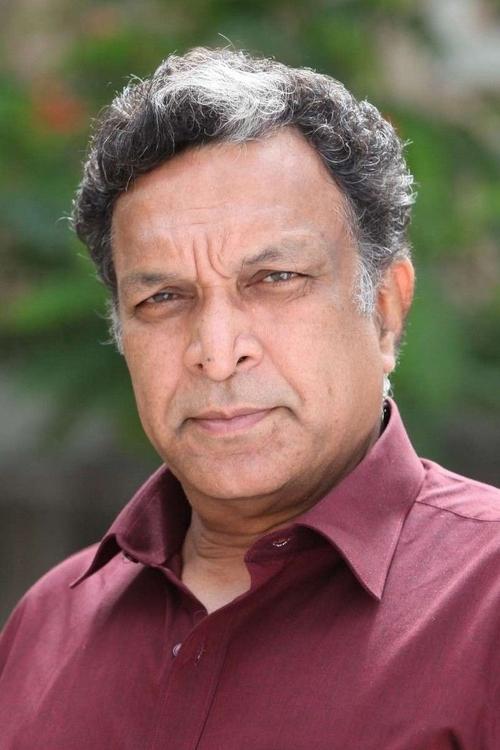
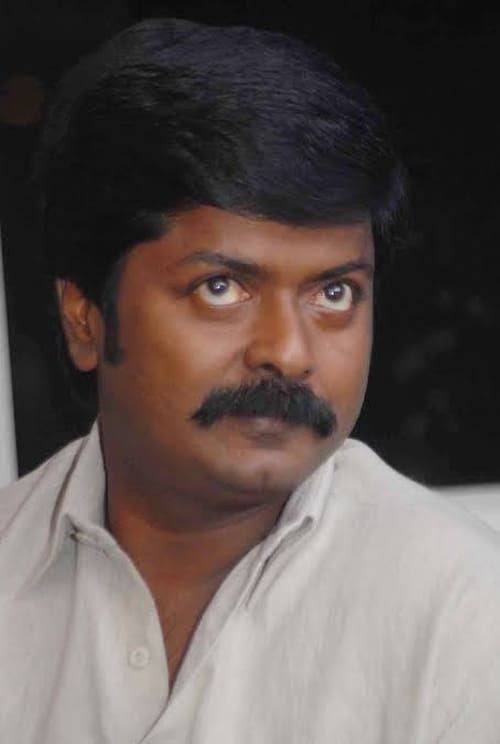
Mayilaadum Paarai Song Lyrics is the track from Manu Needhi Tamil Film – 2000, Starring Napoleon, Nassar, Murali, Vadivelu, Prathyusha, Thambi Ramaiah, Sithara, Mahanadhi Shankar, Thalapathi Dinesh. This song was sung by கே.எஸ். சித்ரா. The music was composed by Deva. Lyrics works penned by Vairamuthu.
Track Credits & Star Cast
Music & Lyrics
Singers

Mayilaadum paarai Pakkathila oodai
Mayilaadum paarai Pakkathila ooda
Azhagu ooviyamma Pattikaadu sirikkum paarungamma
Uzhudha vayalula Kutti kutti kavidhai velaiyuma
Mayilaadum paarai Pakkathila ooda
Azhagu ooviyamma Pattikaadu sirikkum paarungamma
Uzhudha vayalula Kutti kutti kavidhai velaiyuma
Thulli odum muyalukku thaan Kaathu kutha veipoma
Naam kammal pottu paapoma Thaththi nadakkum kutta vaathae
Nadanthida palagamma Naan nadavandi tharenma
Oththa kaalilae Aaaaaa…aaa…aaa
Oththa kaalilae Nirkkum naaraiyae
Ketkum varathaiyae Naamum tharuvoma
Aattu thaadi chikkeduthu Rettai jadai pinnuvoma
Vaiyillaadha jeevan ellaam Konja thonum kuzhandhai aavomamma
Mayilaadum paarai Pakkathila ooda
Azhagu ooviyamma Pattikaadu sirikkum paarungamma
Uzhudha vayalula Kutti kutti kavidhai velaiyuma
Mooku sivandha pachai kiliyae Unakkenna kovama
Kova pazham tharenma Vaadi kedakkum pacha kodiyae
Unakkenna thaagama Naan thanneera tharen ma
Koyil maada puraa Aaaa…aaaaaa…aaa
Koyil maada puraa Koodi aadumae
Mega kootamae Medai podumae
Vanna vanna pattam vittu Vennilavai thoduvama
Chinna chinna soppu vechu Vakkanaiya samaiyal seivoma
Mayilaadum paarai Pakkathila ooda
Azhagu ooviyamma Pattikaadu sirikkum paarungamma
Uzhudha vayalula Kutti kutti kavidhai velaiyuma
Song Meaning & Analysis
The song "Mayilaadum Paarai" paints a vivid and idyllic picture of rural life, brimming with childlike wonder and a deep connection to nature. It describes a serene landscape where peacocks dance by a stream, and the ploughed fields seem to whisper tiny poems. The lyrics express a playful desire to interact with animals – piercing a rabbit's ears for earrings, teaching a duckling to walk, granting wishes to a stork, and braiding a goat's beard. It evokes a sense of innocent joy and a longing to embrace the simple, voiceless creatures of the earth as if becoming children ourselves.
The song continues to personify nature, asking a red-beaked parrot about its anger and offering it fruit, and inquiring about a wilting creeper's thirst, promising water. It envisions temple pigeons dancing and clouds forming a stage, highlighting the harmonious relationship between humans and their environment. The final verses speak of flying colorful kites to touch the moon and playing with toy kitchens, encapsulating the pure, imaginative spirit of childhood amidst the beauty of the countryside. It's a nostalgic ode to the charm and simplicity of village life, filled with warmth, innocence, and a profound appreciation for the natural world.
Frequently Asked Questions
Who is the singer of Mayilaadum Paarai?
Mayilaadum Paarai is sung by கே.எஸ். சித்ரா.
Which movie is Mayilaadum Paarai from?
The song Mayilaadum Paarai is featured in the movie Manu Needhi.
Who wrote the lyrics for Mayilaadum Paarai?
The lyrics for Mayilaadum Paarai were written by Vairamuthu with music composed by Deva.
Is English translation available for Mayilaadum Paarai lyrics?
Yes! Mayilaadum Paarai lyrics from Manu Needhi include line-by-line English translation, English transliteration, and native Tamil script on Lyricsverse.
What is the meaning of Mayilaadum Paarai lyrics?
The song "Mayilaadum Paarai" paints a vivid and idyllic picture of rural life, brimming with childlike wonder and a deep connection to nature. It describes a serene landscape where peacocks dance by a stream, and the ploughed fields seem to whisper tiny poems. The lyrics express a playful desire to interact with animals – piercing a rabbit's ears for earrings, teaching a duckling to walk, granting wishes to a stork, and braiding a goat's beard. It evokes a sense of innocent joy and a longing to embrace the simple, voiceless creatures of the earth as if becoming children ourselves. The song continues to personify nature, asking a red-beaked parrot about its anger and offering it fruit, and inquiring about a wilting creeper's thirst, promising water. It envisions temple pigeons dancing and clouds forming a stage, highlighting the harmonious relationship between humans and their environment. The final verses speak of flying colorful kites to touch the moon and playing with toy kitchens, encapsulating the pure, imaginative spirit of childhood amidst the beauty of the countryside. It's a nostalgic ode to the charm and simplicity of village life, filled with warmth, innocence, and a profound appreciation for the natural world.