Meenodu Meen Vandhu (Male) Lyrics
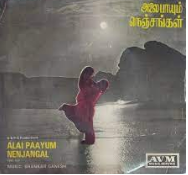
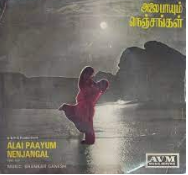
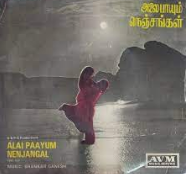
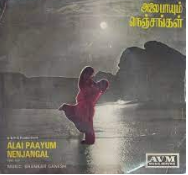
From the movie Alai Payum Nenjangal
Meenodu Meen Vandhu (Male) Song Lyrics is the track from Alai Payum Nenjangal Tamil Film – 1983. This song was sung by எஸ். என் சுரேந்தர். The music was composed by Shankar Ganesh. Lyrics works penned by Pulamaipithan.
Track Credits & Star Cast
Music & Lyrics
Singers
Star Cast
Not Specified
Meenodu meen vanthu pesuthu Adhu thannikku theriyavillaiyae
Kadal thodum karaiyai Karai thodum padagai
Idhai paarththaal sirikkum kaattru
Meenodu meen vanthu pesuthu Adhu thannikku theriyavillaiyae
Thottukka mudiyallae ottikka edamillae Thodara paadhai illaiyae
Kittavum nerungalae ettiyum odhungalae Kizhakku merku idhilae
Neela thiraiyai virichchu aazhakadalum sirikkum
Meenodu meen vanthu pesuthu Adhu thannikku theriyavillaiyae
Sonthaththa nenaikkuthu santhikka vazhiyillae
Engittu ponathu porappu
Vanthatha paaththathum sanggeetham padikkuthu
Nenjilae ponguthu sirippu
Paasamthaam rompa perisu paavaththukkenna mavusu
Meenodu meen vanthu pesuthu Adhu thannikku theriyavillaiyae
Kadal thodum karaiyai Karai thodum padagai
Idhai paarththaal sirikkum kaattru
Meenodu meen vanthu pesuthu Adhu thannikku theriyavillaiyae
Song Meaning & Analysis
This poignant song delves into the theme of unspoken connections and hidden affections, using rich natural metaphors. It portrays a relationship or a feeling that exists profoundly between two individuals, yet remains unnoticed or unacknowledged by the world around them, symbolized by the water not knowing the fish's conversation or the wind laughing at the interaction between the sea, shore, and boat. The lyrics beautifully capture the paradox of being intimately connected yet seemingly distant, highlighting the internal struggle and the quiet joy found in such a unique bond.
The song further explores the longing for a tangible connection ("Can't touch, no place to cling, no path to follow") despite an undeniable spiritual or emotional kinship. It speaks to the idea that true affection is a powerful force, transcending external barriers and societal norms. The imagery of the deep sea smiling and music welling up in the heart suggests a profound, almost spiritual understanding and acceptance of this hidden love, emphasizing its inherent value over any perceived 'wrongdoing' or difficulty.
Frequently Asked Questions
Who is the singer of Meenodu Meen Vandhu (Male)?
Meenodu Meen Vandhu (Male) is sung by எஸ். என் சுரேந்தர்.
Which movie is Meenodu Meen Vandhu (Male) from?
The song Meenodu Meen Vandhu (Male) is featured in the movie Alai Payum Nenjangal.
Who wrote the lyrics for Meenodu Meen Vandhu (Male)?
The lyrics for Meenodu Meen Vandhu (Male) were written by Pulamaipithan with music composed by Shankar Ganesh.
Is English translation available for Meenodu Meen Vandhu (Male) lyrics?
Yes! Meenodu Meen Vandhu (Male) lyrics from Alai Payum Nenjangal include line-by-line English translation, English transliteration, and native Tamil script on Lyricsverse.
What is the meaning of Meenodu Meen Vandhu (Male) lyrics?
This poignant song delves into the theme of unspoken connections and hidden affections, using rich natural metaphors. It portrays a relationship or a feeling that exists profoundly between two individuals, yet remains unnoticed or unacknowledged by the world around them, symbolized by the water not knowing the fish's conversation or the wind laughing at the interaction between the sea, shore, and boat. The lyrics beautifully capture the paradox of being intimately connected yet seemingly distant, highlighting the internal struggle and the quiet joy found in such a unique bond. The song further explores the longing for a tangible connection ("Can't touch, no place to cling, no path to follow") despite an undeniable spiritual or emotional kinship. It speaks to the idea that true affection is a powerful force, transcending external barriers and societal norms. The imagery of the deep sea smiling and music welling up in the heart suggests a profound, almost spiritual understanding and acceptance of this hidden love, emphasizing its inherent value over any perceived 'wrongdoing' or difficulty.