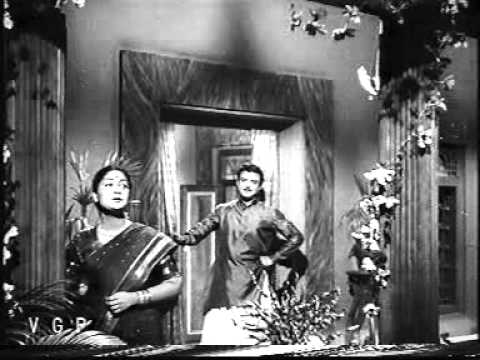
Muhurtha Naalum Lyrics
From the movie Pennin Perumai - 1956
Muhurtha Naalum Song Lyrics is the track from Pennin Perumai - 1956 Tamil Film – 1956. This song was sung by ஜிக்கி மற்றும் கோரஸ்.
Track Credits & Star Cast
Music & Lyrics
Singers
Star Cast
Not Specified
Singers : Jikki and Chorus
Music Director : B. N. Rao, A. Rama Rao and Master Venu
Lyricist : Thanjai N. Ramaiah Dass
Muhurtha naalum mudivaacha Mookanaangayirum pottaacha
Muhurtha naalum mudivaacha Mookanaangayirum pottaacha
Murattukaalai maappilaiyaam Uruttu bommai manamagalaam
Murattukaalai maappilaiyaam Uruttu bommai manamagalaam
Aratti meratti unnidamae Aratti meratti unnidamae
Asalum vattiyum vaangidavae
Female and Chorus : Muhurtha naalum mudivaacha Muhurtha naalum mudivaacha
Mookanaangayirum pottaacha
Maharajan veettu thirumanamae Majannu nenaikkudhu un maname
Maharajan veettu thirumanamae Majannu nenaikkudhu un maname
Jigujigu valaiyal thaga thaga kanganam Jigujigu valaiyal thaga thaga kanganam
Pala pala saelaiyum pattu ravikaiyum
Female Chorus : Boom boom
Boomboom maadu pol singaarichu Podhi kazhudhai pola sumandhidavae
Female Chorus : Boom boom boom boom boom
Boomboom maadu pol singaarichu Podhi kazhudhai pola sumandhidavae
Female and Chorus : Muhurtha naalum mudivaacha Muhurtha naalum mudivaacha
Mookanaangayirum pottaacha
Methai veedendru thulladhae Methai veedendru thulladhae
Kannai nettriyil veithu kolladhae Methai veedendru thulladhae
Kannai nettriyil veithu kolladhae
Athai maamanum irukaanga Athai maamanum irukaanga
Un sathai suzhatriyae viduvanga Female and Chorus : Un sathai suzhatriyae viduvanga
Female and Chorus : Muhurtha naalum mudivaacha Muhurtha naalum mudivaacha
Mookanaangayirum pottaacha Kayirum pottaacha
Araikkullae thaan adangidanum Aadura kaalum odingidanum
Araikkullae thaan adangidanum Aadura kaalum odingidanum
Female and Chorus : Sariyaaga pesa therinjikkanum Sariyaaga pesa therinjikkanum
Un thalai kanam ellaam erangidanum
Female and Chorus : Muhurtha naalum mudivaacha Muhurtha naalum mudivaacha mudivaacha
Mookanaangayirum pottaacha pottaacha Kayirum pottaacha
Kayirum pottaacha
Song Meaning & Analysis
This song, 'Muhurtha Naalum', is a playful and teasing number often sung during wedding festivities, particularly to the bride. It uses the metaphor of putting a 'nose rope' on a bull, implying that the bride, once free-spirited, is now 'tamed' by marriage and will have to conform to new expectations. The lyrics humorously contrast the bride's initial excitement about a grand wedding with the perceived realities of married life, where she might be expected to carry burdens and face the scrutiny of in-laws.
The song highlights traditional societal expectations for a newlywed woman, advising her not to be arrogant or expect an easy life. It suggests she will be confined to the domestic sphere, her independence curtailed, and her 'essence' potentially challenged by her husband's family. Despite the seemingly harsh advice, the tone is lighthearted and part of a cultural tradition of playfully preparing the bride for her new role, often sung by female relatives or friends.
Frequently Asked Questions
Who is the singer of Muhurtha Naalum?
Muhurtha Naalum is sung by ஜிக்கி மற்றும் கோரஸ்.
Which movie is Muhurtha Naalum from?
The song Muhurtha Naalum is featured in the movie Pennin Perumai - 1956.
Who wrote the lyrics for Muhurtha Naalum?
The lyrics for Muhurtha Naalum were written by Unknown with music composed by Unknown.
Is English translation available for Muhurtha Naalum lyrics?
Yes! Muhurtha Naalum lyrics from Pennin Perumai - 1956 include line-by-line English translation, English transliteration, and native Tamil script on Lyricsverse.
What is the meaning of Muhurtha Naalum lyrics?
This song, 'Muhurtha Naalum', is a playful and teasing number often sung during wedding festivities, particularly to the bride. It uses the metaphor of putting a 'nose rope' on a bull, implying that the bride, once free-spirited, is now 'tamed' by marriage and will have to conform to new expectations. The lyrics humorously contrast the bride's initial excitement about a grand wedding with the perceived realities of married life, where she might be expected to carry burdens and face the scrutiny of in-laws. The song highlights traditional societal expectations for a newlywed woman, advising her not to be arrogant or expect an easy life. It suggests she will be confined to the domestic sphere, her independence curtailed, and her 'essence' potentially challenged by her husband's family. Despite the seemingly harsh advice, the tone is lighthearted and part of a cultural tradition of playfully preparing the bride for her new role, often sung by female relatives or friends.