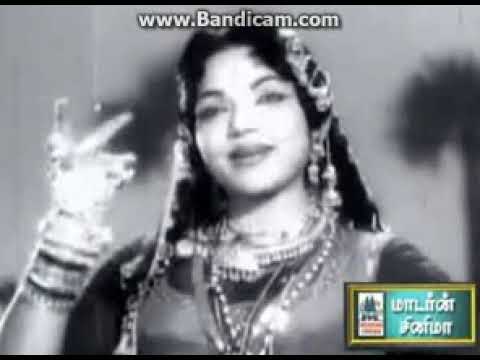
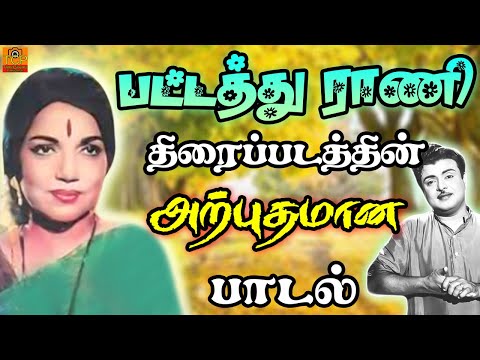
Munnaley Oru Ponnu Lyrics
From the movie Pattathu Rani Tamil
Munnaley Oru Ponnu Song Lyrics is the track from Pattathu Rani Tamil Tamil Film – 1967. This song was sung by பி. பானுமதி.
Track Credits & Star Cast
Music & Lyrics
Singers
Star Cast
Not Specified
Singer : P. Bhanumathi
Music Director : T. K. Ramamoorthy
Lyricist : Vaali
Munnaale oru ponnu Avalukku pinnaala pala kannu
Pathodu pathinonnu aththodu nee onnu Paavam pozhachikka paarthu rasichikka
Munnaale oru ponnu huu huuu Hoi hoi
Cinema drama pombala paarkka Thaniya polaama…polaama
Cinema drama pombala paarkka Thaniya polaama
Poova thalaiya pottu paarppaan Pokkiri paya maama
Paadhaiyil nippaan vazhiyai maraippaan Pallai ilipaan kadhaiyai valappaan
Mugaraiyai paratha sagalamum theriyum Koukkira idathila kodutha puriyum
Eppadi
Thalangu thakka thom thakka thom Thom ena
Munnaale oru ponnu Avalukku pinnaala pala kannu
Pathodu pathinonnu aththodu nee onnu Paavam pozhachikka paarthu rasichikka
Munnaale oru ponnu huu huuu Hoi hoi
Thaerilae saami varuvadhu polum Carile aiyaa vandhaaraam
Kaiyile kaasu irukkira manushan Poiyilae odamba valathaaraam
Oore amimia endru Thaane ninaithu kolla
Kaasa pasanga endru Ahaa endru solla
Ahaa Indha kolam enna unga jaalam enna
Seekiram ellaam vaarungo
Munnaale oru ponnu Avalukku pinnaala pala kannu
Pathodu pathinonnu aththodu nee onnu Paavam pozhachikka paarthu rasichikka
Munnaale oru ponnu huu huuu Hoi hoi
Song Meaning & Analysis
The song "Munnaley Oru Ponnu" is a satirical and observational piece, primarily from a woman's perspective, highlighting the unwanted attention and predatory behavior women often face. It describes a woman who is the object of many gazes, implying she is attractive but also vulnerable to scrutiny. The lyrics sarcastically question if a woman can go alone to watch cinema or drama without encountering trouble. It then paints a vivid picture of a "rogue fellow" who blocks her path, grins, and tries to engage her, suggesting that his true intentions are clear from his demeanor. The line "If you give where it's due, you'll understand" is a bit ambiguous but could imply that one learns about such men through experience or by confronting them.
The second part of the song shifts to criticize wealthy men, comparing their arrival in cars to deities in chariots, but quickly exposing them as individuals who gained their status through deceit ("grew his body through lies"). These men arrogantly believe the whole town is their slave and that young boys are merely after their money. The song challenges their "guise" and "magic," urging everyone to come and witness this spectacle. Overall, it's a commentary on societal attitudes towards women and the arrogance of power, delivered with a mix of humor and sharp observation.
Frequently Asked Questions
Who is the singer of Munnaley Oru Ponnu?
Munnaley Oru Ponnu is sung by பி. பானுமதி.
Which movie is Munnaley Oru Ponnu from?
The song Munnaley Oru Ponnu is featured in the movie Pattathu Rani Tamil.
Who wrote the lyrics for Munnaley Oru Ponnu?
The lyrics for Munnaley Oru Ponnu were written by Unknown with music composed by Unknown.
Is English translation available for Munnaley Oru Ponnu lyrics?
Yes! Munnaley Oru Ponnu lyrics from Pattathu Rani Tamil include line-by-line English translation, English transliteration, and native Tamil script on Lyricsverse.
What is the meaning of Munnaley Oru Ponnu lyrics?
The song "Munnaley Oru Ponnu" is a satirical and observational piece, primarily from a woman's perspective, highlighting the unwanted attention and predatory behavior women often face. It describes a woman who is the object of many gazes, implying she is attractive but also vulnerable to scrutiny. The lyrics sarcastically question if a woman can go alone to watch cinema or drama without encountering trouble. It then paints a vivid picture of a "rogue fellow" who blocks her path, grins, and tries to engage her, suggesting that his true intentions are clear from his demeanor. The line "If you give where it's due, you'll understand" is a bit ambiguous but could imply that one learns about such men through experience or by confronting them. The second part of the song shifts to criticize wealthy men, comparing their arrival in cars to deities in chariots, but quickly exposing them as individuals who gained their status through deceit ("grew his body through lies"). These men arrogantly believe the whole town is their slave and that young boys are merely after their money. The song challenges their "guise" and "magic," urging everyone to come and witness this spectacle. Overall, it's a commentary on societal attitudes towards women and the arrogance of power, delivered with a mix of humor and sharp observation.