Muthumani Kannanukku Lyrics
From the movie Sudarum Sooravaliyum
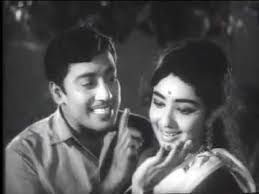
Muthumani Kannanukku Song Lyrics is the track from Sudarum Sooravaliyum Tamil Film – 1971. This song was sung by எஸ். ஜானகி. The music was composed by M. S. Vishwanathan. Lyrics works penned by Kannadasan.
Track Credits & Star Cast
Music & Lyrics
Singers
Star Cast
Not Specified
Muthumani kannanukku Enna nenaippu
Muthumani kannanukku Enna nenaippu
Mullai mottupol vandhadhenna sirippu Pathu viral naadagathil enna nadippu
Pattu vanna poo mugathil enna kurippu
Muthumani kannanukku Enna nenaippu
Thallaadum nilaiyil Thaai maaman madiyil
Thaanaaga padippadhu tamil padippu Ammavendraadi appavendroodi
Anaippadhilae unakkenna thudippu
Thaayaarum thanthaiyum Ondraaga irupadhai
Paaraamal paarpadhil enna kalippu Thandhai pallaakku thookka
Vaippadhenna kurumbu
Muthumani kannanukku Enna nenaippu
Appaavai polae valarnthu vittaanae Amma un magan ena oor uraikkum
Ammaanin magalin ponmaanai polae Pennaaga valarnthu mella sirikkum
Pon oonjal aadidum Kalyaana kolathil
Pennodu maapillai pakkam irukkum Aaaaaaaaaaaaaaaaaaa…
Kanneeril aadidum thaai thandhai kaalgalil Nal vaazhthu kettandha ullam vanangum
Aaaaaaaaaaaaaaaaaa…
Muthumani kannanukku Enna nenaippu
Song Meaning & Analysis
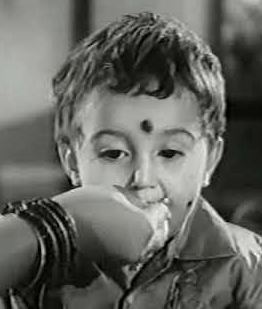
This song is a tender and affectionate portrayal of a child, likely a young boy named Kannan, seen through the eyes of a loving adult, possibly his mother or aunt. The lyrics marvel at the child's innocent expressions, playful antics, and the joy he brings. It captures the simple yet profound moments of childhood, from learning on a maternal uncle's lap to playfully interacting with parents, highlighting the pure happiness and mischief inherent in a child's world. The song beautifully encapsulates the wonder and delight a child evokes in those around him.
The narrative then gracefully transitions into a vision of the child's future, imagining him growing up to be like his father and eventually marrying his uncle's daughter. It paints a picture of a traditional wedding, with the couple on a golden swing, and the emotional moment of seeking blessings from tearful parents. This progression from innocent childhood to a blessed future, filled with love and family, underscores the hopes and dreams parents hold for their children, making it a heartwarming ode to family, growth, and tradition.
Frequently Asked Questions
Who is the singer of Muthumani Kannanukku?
Muthumani Kannanukku is sung by எஸ். ஜானகி.
Which movie is Muthumani Kannanukku from?
The song Muthumani Kannanukku is featured in the movie Sudarum Sooravaliyum.
Who wrote the lyrics for Muthumani Kannanukku?
The lyrics for Muthumani Kannanukku were written by Kannadasan with music composed by M. S. Vishwanathan.
Is English translation available for Muthumani Kannanukku lyrics?
Yes! Muthumani Kannanukku lyrics from Sudarum Sooravaliyum include line-by-line English translation, English transliteration, and native Tamil script on Lyricsverse.
What is the meaning of Muthumani Kannanukku lyrics?
This song is a tender and affectionate portrayal of a child, likely a young boy named Kannan, seen through the eyes of a loving adult, possibly his mother or aunt. The lyrics marvel at the child's innocent expressions, playful antics, and the joy he brings. It captures the simple yet profound moments of childhood, from learning on a maternal uncle's lap to playfully interacting with parents, highlighting the pure happiness and mischief inherent in a child's world. The song beautifully encapsulates the wonder and delight a child evokes in those around him. The narrative then gracefully transitions into a vision of the child's future, imagining him growing up to be like his father and eventually marrying his uncle's daughter. It paints a picture of a traditional wedding, with the couple on a golden swing, and the emotional moment of seeking blessings from tearful parents. This progression from innocent childhood to a blessed future, filled with love and family, underscores the hopes and dreams parents hold for their children, making it a heartwarming ode to family, growth, and tradition.