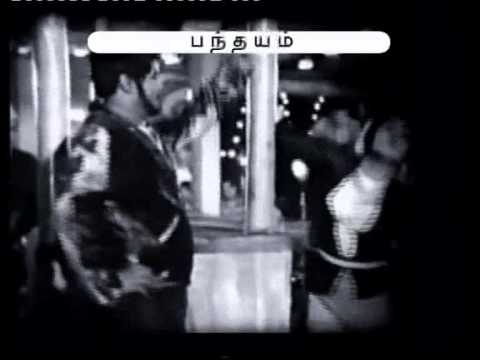
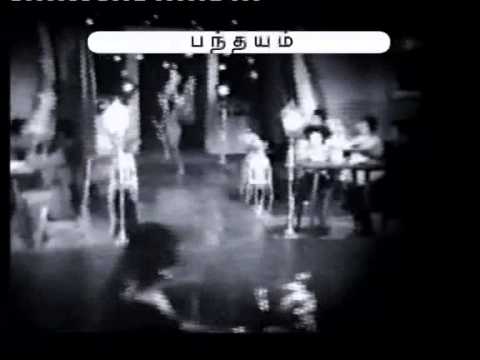
Naala Puramum Kodu Lyrics
From the movie Panthayam - 1967
Naala Puramum Kodu Song Lyrics is the track from Panthayam - 1967 Tamil Film – 1967. This song was sung by பி. சுஷீலா. The music was composed by T. R. Pappa. Lyrics works penned by Kannadasan.
Track Credits & Star Cast
Music & Lyrics
Singers
Star Cast
Not Specified
Humming :
Naala puramum kodu katti Naduvinilae valai pottu
Kalathil malarndha kanniyarae Kaipandhattam aadungadi
Kaipandhattam aadungadi
Naala puramum kodu katti Naduvinilae valai pottu
Kalathil malarndha kanniyarae Kaipandhattam aadungadi
Kaipandhattam aadungadi
Humming
Mulumathi pondra mugathinilae Muthu muthaaga vyarvai vara
Mulumathi pondra mugathinilae Muthu muthaaga vyarvai vara
Azhagiya maeni sathirada Annangalae vilayadungadi
Annangalae vilayadungadi
Female and Chorus : Naala puramum kodu katti Haaaahaa
Naduvinilae valai pottu Haaaahaa
Kaalathil malarndha kanniyaraehaaa Kaipandhattam aadungadihaaaahaa
Kaipandhattam aadungadi Haaaahaa
Humming :
Aadum paruvam ilamaiyadi Aduthathu kaadhal paruvamadi
Aadum paruvam ilamaiyadi Aduthathu kaadhal paruvamadi
Thodarum vaazhkai thaaimaiyadi Thottilai enni aadungadi
Thottilai enni aadungadi
Naala puramum kodu katti Naduvinilae valai pottu
Kaalathil malarndha kanniyarae Kaipandhattam aadungadi
Kaipandhattam aadungadi
Female and Chorus : Naala puramum kodu katti Haaaahaa
Naduvinilae valai pottu Haaaahaa
Kaalathil malarndha kanniyaraehaaa Kaipandhattam aadungadihaaaahaa
Kaipandhattam aadungadi Haaaahaa
Song Meaning & Analysis
This song from the 1967 film 'Panthayam' is a vibrant and playful ode to youth, femininity, and the stages of a woman's life, set against the backdrop of a volleyball game. The lyricist Kannadasan, with his characteristic poetic flair, uses the imagery of young women playing volleyball to celebrate their beauty, energy, and the joy of their blossoming years. The act of playing, with sweat beading on their moon-like faces and their graceful movements, symbolizes the vitality and charm of youth.
Beyond the immediate scene of play, the song subtly transitions into a reflection on life's journey for these young women. It acknowledges that the current phase of playful youth will naturally lead to the season of love, and subsequently, to the profound role of motherhood. The call to "play, thinking of the cradle" beautifully encapsulates the idea that even in their carefree moments, there's an underlying awareness of the future and the natural progression of life, making it a celebration of womanhood in its entirety.
Frequently Asked Questions
Who is the singer of Naala Puramum Kodu?
Naala Puramum Kodu is sung by பி. சுஷீலா.
Which movie is Naala Puramum Kodu from?
The song Naala Puramum Kodu is featured in the movie Panthayam - 1967.
Who wrote the lyrics for Naala Puramum Kodu?
The lyrics for Naala Puramum Kodu were written by Kannadasan with music composed by T. R. Pappa.
Is English translation available for Naala Puramum Kodu lyrics?
Yes! Naala Puramum Kodu lyrics from Panthayam - 1967 include line-by-line English translation, English transliteration, and native Tamil script on Lyricsverse.
What is the meaning of Naala Puramum Kodu lyrics?
This song from the 1967 film 'Panthayam' is a vibrant and playful ode to youth, femininity, and the stages of a woman's life, set against the backdrop of a volleyball game. The lyricist Kannadasan, with his characteristic poetic flair, uses the imagery of young women playing volleyball to celebrate their beauty, energy, and the joy of their blossoming years. The act of playing, with sweat beading on their moon-like faces and their graceful movements, symbolizes the vitality and charm of youth. Beyond the immediate scene of play, the song subtly transitions into a reflection on life's journey for these young women. It acknowledges that the current phase of playful youth will naturally lead to the season of love, and subsequently, to the profound role of motherhood. The call to "play, thinking of the cradle" beautifully encapsulates the idea that even in their carefree moments, there's an underlying awareness of the future and the natural progression of life, making it a celebration of womanhood in its entirety.