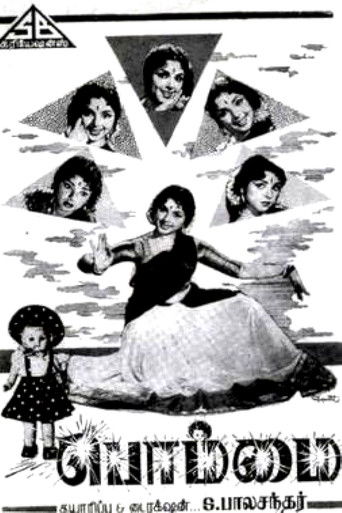
Nee Thaan Selvam Nee Thaan Amudham Lyrics
From the movie Bommai
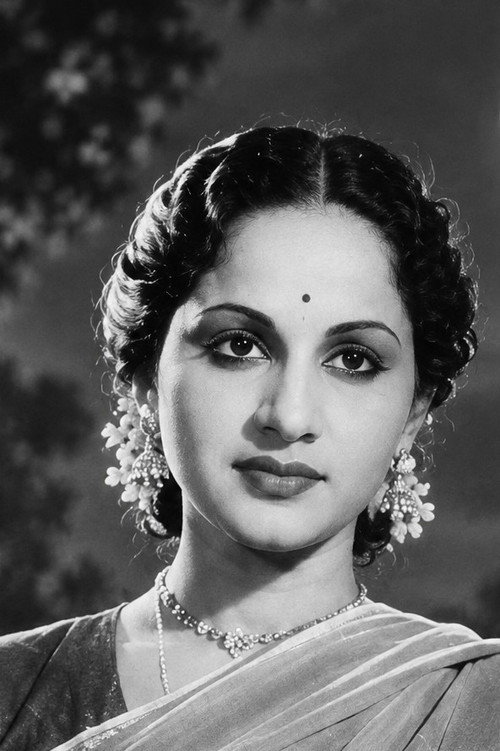
Nee Thaan Selvam Nee Thaan Amudham Song Lyrics is the track from Bommai Tamil Film – 1964, Starring S. Balachander, L. Vijayalakshmi, C. Lakshmi Rajyam, V. S. Raghavan, V. Gopalakrishnan, S. N. Lakshmi, P. D. Sambandam, C L Anandan, Vasanthi, Maali. This song was sung by பி. சுசீலா. The music was composed by S. Balachander. Lyrics works penned by V. Lakshmanan.
Track Credits & Star Cast
Music & Lyrics
Singers
Star Cast


Nee thaan selvam Nee thaan amudham
Nee thaan endhan ulagam Nee thaan selvam
Nee thaan amudham Nee thaan endhan ulagammm
Nee thaan selvam Nee thaan amudham
Nee thaan endhan ulagam
Vaavendraen unnai Vandhaai en kannae
Thaai endra uyarvai Thandhaai en kannae
Vaavendraen unnai Vandhaai en kannae
Thaai endra uyarvai Thandhaai en kannae
Kannukkul maniyaai Kalandhae nee vaazhga
Mannukkum pugazhaai Maganae nee vaazhga
Nee thaan selvam Nee thaan amudham
Nee thaan endhan ulagam
Thottathu kodikku Poovaal sirappu
Vaazhum veetukku Yetrum vilakkaal sirappu
Thottathu kodikku Poovaal sirappu
Vaazhum veetukku Yetrum vilakkaal sirappu
Paattukku porulin Nayathaal madhippu
Pasu maatukku pirandha Kandraal madhippu
Kodi thantha poovaai Poo thantha manamaai
Madi meedhu valarnthaai Maganae nee vaazhga
Nee thaan selvam Nee thaan amudham
Nee thaan endhan ulagam
Kan paarkum edathil Nee thaan iruppaai
Endhan kai theendum porulil Nee thaan iruppaai
Kan paarkum edathil Nee thaan iruppaai
Endhan kai theendum porulil Nee thaan iruppaai
Pan serthu paadum Paattil iruppaai
Naan paarkindra ethilum Nee thaan iruppaai
Anbukku vadivaai Panbukku porulaai
Inbathin suvaiyaai Endrendrum nee vaazhga
Nee thaan selvam Nee thaan amudham
Nee thaan endhan ulagam Nee thaan selvam
Nee thaan amudham Nee thaan endhan ulagam
Song Meaning & Analysis
This song is a heartfelt expression of a mother's boundless love and devotion for her child. The lyrics portray the child as the ultimate source of wealth, immortality (nectar), and the entire world for the mother. It beautifully captures the profound joy and fulfillment a child brings, elevating the woman to the esteemed status of motherhood. The song is a lullaby-like ode, filled with blessings and wishes for the child's long, prosperous, and virtuous life.
The song uses rich metaphors to emphasize the child's importance, comparing him to the flower's beauty, the lamp's light, and the calf's value to a cow. It conveys that the child's presence permeates every aspect of the mother's existence – what she sees, touches, and sings. It's a tender prayer for the child to embody love, virtue, and joy, living a life that brings pride and happiness to all.
Frequently Asked Questions
Who is the singer of Nee Thaan Selvam Nee Thaan Amudham?
Nee Thaan Selvam Nee Thaan Amudham is sung by பி. சுசீலா.
Which movie is Nee Thaan Selvam Nee Thaan Amudham from?
The song Nee Thaan Selvam Nee Thaan Amudham is featured in the movie Bommai.
Who wrote the lyrics for Nee Thaan Selvam Nee Thaan Amudham?
The lyrics for Nee Thaan Selvam Nee Thaan Amudham were written by V. Lakshmanan with music composed by S. Balachander.
Is English translation available for Nee Thaan Selvam Nee Thaan Amudham lyrics?
Yes! Nee Thaan Selvam Nee Thaan Amudham lyrics from Bommai include line-by-line English translation, English transliteration, and native Tamil script on Lyricsverse.
What is the meaning of Nee Thaan Selvam Nee Thaan Amudham lyrics?
This song is a heartfelt expression of a mother's boundless love and devotion for her child. The lyrics portray the child as the ultimate source of wealth, immortality (nectar), and the entire world for the mother. It beautifully captures the profound joy and fulfillment a child brings, elevating the woman to the esteemed status of motherhood. The song is a lullaby-like ode, filled with blessings and wishes for the child's long, prosperous, and virtuous life. The song uses rich metaphors to emphasize the child's importance, comparing him to the flower's beauty, the lamp's light, and the calf's value to a cow. It conveys that the child's presence permeates every aspect of the mother's existence – what she sees, touches, and sings. It's a tender prayer for the child to embody love, virtue, and joy, living a life that brings pride and happiness to all.