
Neela Vanna Kannane Unadhu Lyrics
From the movie Mallika (1957 film)
Neela Vanna Kannane Unadhu Song Lyrics is the track from Mallika (1957 film) Tamil Film – 1957, Starring Gemini Ganesan, Padmini. This song was sung by பி. சுசீலா. The music was composed by T. R. Pappa. Lyrics works penned by A. Maruthakasi.
Track Credits & Star Cast
Music & Lyrics
Singers
Star Cast

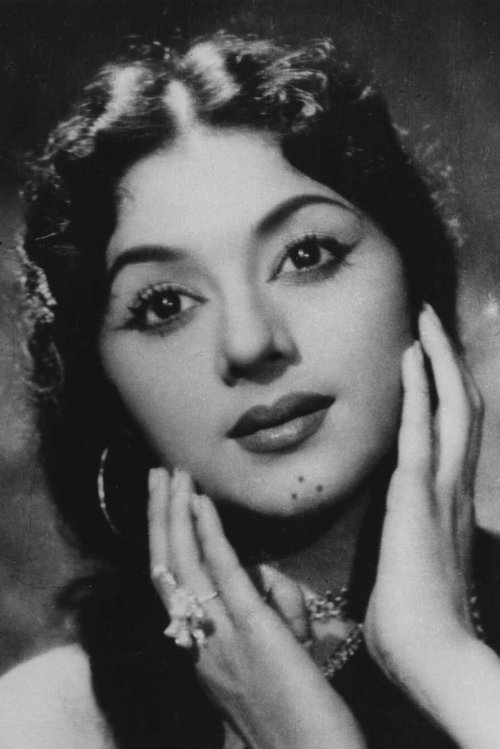
Neela vanna kannanae Unadhu ennamellam naanariven
Kannaa en kaiyai thodaadhae Neela vanna kannanae
Unadhu ennamellam naanariven Kannaa en kaiyai thodaadhae
Mohana kannaa en kaiyai thodaadhae
Thannanthaniyaana ennai Thunburuthalaagumo
Thannanthaniyaana ennai Thunburuthalaagumo
Nanunakku sondhamo Raadhai endra ennamo
Kannai kannai kaatti ennai Vambu seiyalaagumo
Nee vambu seiyalaagumo
Kannai kannai kaatti ennai Vambu seiyalaagumo nee
Vambu seiyalaagumo Innum ingu nindru vambu seidhaal
Yaelanam seiven Vanna kannaa en kaiyai thodaadhae
Neela vanna kannanae Unadhu ennamellam naanariven
Kannaa en kaiyai thodaadhae Mohana kannaa en kaiyai thodaadhae
Alliyin karathai vittu Vandha vazhi selluvaai
Alliyin karathai vittu Vandha vazhi selluvaai
Nalladhalla un seyalai Naadariya solluven
Kallanae unnai ellorum Thollaa pillai endru solli
Kandapadi pesuvaar
Kallanae unnai ellorum Thollaa pillai endru solli
Kandapadi pesuvaar Ilam kanni endhan ullam thannai
Thunbura cheiyaadhae Kannaa en kaiyai thodaadhae
Neela vanna kannanae Unadhu ennamellam naanariven
Kannaa en kaiyai thodaadhae Mohana kannaa en kaiyai thodaadhae
Song Meaning & Analysis
This song captures a classic playful interaction between a maiden and Lord Krishna, referred to as Kannan. The maiden, while seemingly annoyed, is also subtly charmed by his advances. She repeatedly warns him not to touch her, asserting that she knows his intentions and playfully denying any claim he might have over her, even questioning if he mistakes her for Radha. Her words convey a mix of feigned indignation and underlying affection, typical of such romantic exchanges in Indian mythology and cinema.
The lyrics highlight themes of playful teasing, courtship, and the assertion of a maiden's modesty. She threatens to expose his mischievous behavior to the world and warns him against causing her pain. Despite her protests, the repetitive nature of her warnings and the endearing terms used for Kannan (blue-hued, enchanting, colorful) suggest a deep, albeit unacknowledged, connection and a delightful dance of push and pull in their interaction. It's a lighthearted portrayal of budding romance and flirtation.
Frequently Asked Questions
Who is the singer of Neela Vanna Kannane Unadhu?
Neela Vanna Kannane Unadhu is sung by பி. சுசீலா.
Which movie is Neela Vanna Kannane Unadhu from?
The song Neela Vanna Kannane Unadhu is featured in the movie Mallika (1957 film).
Who wrote the lyrics for Neela Vanna Kannane Unadhu?
The lyrics for Neela Vanna Kannane Unadhu were written by A. Maruthakasi with music composed by T. R. Pappa.
Is English translation available for Neela Vanna Kannane Unadhu lyrics?
Yes! Neela Vanna Kannane Unadhu lyrics from Mallika (1957 film) include line-by-line English translation, English transliteration, and native Tamil script on Lyricsverse.
What is the meaning of Neela Vanna Kannane Unadhu lyrics?
This song captures a classic playful interaction between a maiden and Lord Krishna, referred to as Kannan. The maiden, while seemingly annoyed, is also subtly charmed by his advances. She repeatedly warns him not to touch her, asserting that she knows his intentions and playfully denying any claim he might have over her, even questioning if he mistakes her for Radha. Her words convey a mix of feigned indignation and underlying affection, typical of such romantic exchanges in Indian mythology and cinema. The lyrics highlight themes of playful teasing, courtship, and the assertion of a maiden's modesty. She threatens to expose his mischievous behavior to the world and warns him against causing her pain. Despite her protests, the repetitive nature of her warnings and the endearing terms used for Kannan (blue-hued, enchanting, colorful) suggest a deep, albeit unacknowledged, connection and a delightful dance of push and pull in their interaction. It's a lighthearted portrayal of budding romance and flirtation.