Nilavai Megam Mooduthe Lyrics
From the movie Engal Thaikulame Varuga
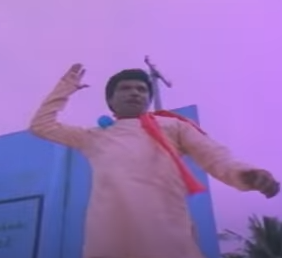
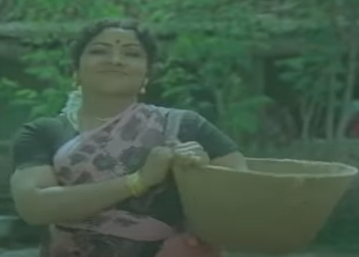
Nilavai Megam Mooduthe Song Lyrics is the track from Engal Thaikulame Varuga Tamil Film – 1986. This song was sung by வாணி ஜெயராம். The music was composed by Chandrabose. Lyrics works penned by Na. Kamarasan.
Track Credits & Star Cast
Music & Lyrics
Singers
Star Cast
Not Specified
Nilavai megam mooduthae Ilamai kaalam yaenguthae
Medai thedum paadal naan Raagam thedum veenai naan oooooo
Nilavai megam mooduthae Ilamai kaalam yaenguthae
Medai thedum paadal naan Raagam thedum veenai naan oooooo
Nilavai megam mooduthae Ilamai kaalam yaenguthae
Haeiyaenintha kobam muraithaanaa Ennai paaraai
Maalai kaalukku keezhae vizhalaamaa Enna paavam
Thaalangal podungal Thaalangal poda sogangal aayiram
Pogum naal varumaa
Nilavai megam mooduthae Ilamai kaalam yaenguthae
Medai thedum paadal naan Raagam thedum veenai naan oooooo
Nilavai megam mooduthae Ilamai kaalam yaenguthae
Ookodaikkul vaadum nizhal naanae Veyyil naanae
Aasai paarvaikku naanae azhagaanaen Anthi maalai
Naalodru paarungal paadhangal aada
Naanangu paaduvaen ananthamthan thalaivaa
Nilavai megam mooduthae Ilamai kaalam yaenguthae
Medai thedum paadal naan Raagam thedum veenai naan oooooo
Nilavai megam mooduthae Ilamai kaalam yaenguthae…ae
Song Meaning & Analysis
This song, 'Nilavai Megam Mooduthe,' is a poignant expression of longing and unfulfilled potential, beautifully conveyed through the metaphor of a performer. The opening lines, comparing the singer to a moon covered by clouds and youthful days yearning, immediately establish a mood of suppressed beauty and a desire for recognition. The singer identifies as a 'song searching for a stage' and a 'veena searching for its melody,' highlighting an inherent purpose and a deep yearning to express oneself and connect with an audience or a beloved.
The lyrics further delve into a plea for understanding and acceptance, questioning a perceived anger and lamenting a sense of being overlooked. The lines about sorrows dissipating with music underscore the cathartic power of art. The singer's complex identity as both a 'shadow wilting inside an umbrella' and 'sunlight' suggests a duality of vulnerability and vibrant potential. Ultimately, the song is a heartfelt declaration of devotion and the promise of joy through performance, addressing a 'leader' or 'master' with profound respect and affection, seeking their gaze and offering bliss in return.
Frequently Asked Questions
Who is the singer of Nilavai Megam Mooduthe?
Nilavai Megam Mooduthe is sung by வாணி ஜெயராம்.
Which movie is Nilavai Megam Mooduthe from?
The song Nilavai Megam Mooduthe is featured in the movie Engal Thaikulame Varuga.
Who wrote the lyrics for Nilavai Megam Mooduthe?
The lyrics for Nilavai Megam Mooduthe were written by Na. Kamarasan with music composed by Chandrabose.
Is English translation available for Nilavai Megam Mooduthe lyrics?
Yes! Nilavai Megam Mooduthe lyrics from Engal Thaikulame Varuga include line-by-line English translation, English transliteration, and native Tamil script on Lyricsverse.
What is the meaning of Nilavai Megam Mooduthe lyrics?
This song, 'Nilavai Megam Mooduthe,' is a poignant expression of longing and unfulfilled potential, beautifully conveyed through the metaphor of a performer. The opening lines, comparing the singer to a moon covered by clouds and youthful days yearning, immediately establish a mood of suppressed beauty and a desire for recognition. The singer identifies as a 'song searching for a stage' and a 'veena searching for its melody,' highlighting an inherent purpose and a deep yearning to express oneself and connect with an audience or a beloved. The lyrics further delve into a plea for understanding and acceptance, questioning a perceived anger and lamenting a sense of being overlooked. The lines about sorrows dissipating with music underscore the cathartic power of art. The singer's complex identity as both a 'shadow wilting inside an umbrella' and 'sunlight' suggests a duality of vulnerability and vibrant potential. Ultimately, the song is a heartfelt declaration of devotion and the promise of joy through performance, addressing a 'leader' or 'master' with profound respect and affection, seeking their gaze and offering bliss in return.