Njaana Thangame Lyrics
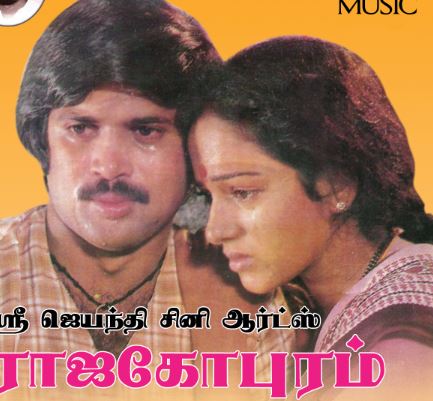
From the movie Raja Gopuram
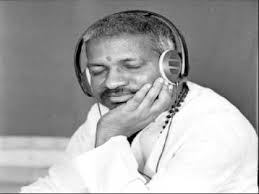
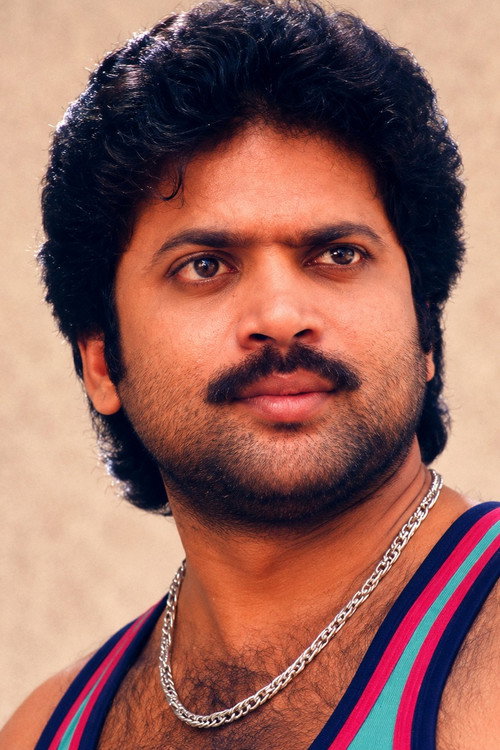
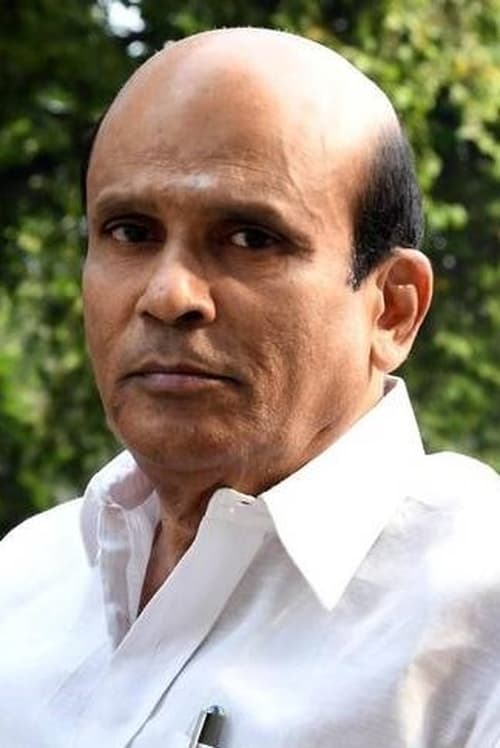
Njaana Thangame Song Lyrics is the track from Raja Gopuram Tamil Film – 1985, Starring Pandiyan, Nalini, Vagai Chandrasekar, Goundamani, Vinu Chakravarthy, Gandhimathi, Y. Vijaya. This song was sung by பி. எஸ். சசிரேகா மற்றும் இளையராஜா. The music was composed by Ilayaraja. Lyrics works penned by Gangai Amaran.
Track Credits & Star Cast
Music & Lyrics
Singers
Star Cast

Njaana thangamae njaana thangamae
Em paatta kelammaa njaana thangamae
Maram onnu nattu vachen njaana thangamae
Kanneeril thanneer vitten njaana thangamae
Maram yaeno pazhudhaa pochu njaana thangamae
Kodi vandhu thonaiyaa aachu njaana thangamae
Njaana thangamae njaana thangamae Em paatta kelammaa njaana thangamae
Aaraari raari raaro… Aaraari raari raaro…
Aaraariro… aaraariro… Aaraariro… aaraariro…
Aaraariro… Aaraariro…
Kizhinjaalum saaya chaela
Velakkukku thiriyaagum
Aruthaalum kora pullu azhagaana paayaagum
Manusha jaadhi niyaayam mattum vaeru vaeru
Soma thaangi mannil saanjaa thaanguvadhaaru
Thanni ulla varaikkum kokku irukkum
Kolam vathi ponaa kokku parakkum
Oravellaam pagal mosam adi podi ellaam vaesham
Njaana thangamae njaana thangamae Em paatta kelammaa njaana thangamae
Kalangaadhae njaana pennae Kanneerum yaenammaa
Naadaanda mangammaavum Un pola pennammaa
Annaalil thaan kannagi pola un kadhaiyaachu Karai yaeri thaan kendaigal rendu pogudhu ippodhu
Oorukkullae ingae yaarum illaiyo Indha mazha paeinjum eeram illaiyo
Thalaraadhae thalumbaadhae Edhir kaalam nee thaan pennae
Njaana thangamae njaana thangamae
Em paatta kelammaa njaana thangamae
Maram onnu nattu vachen njaana thangamae
Kanneeril thanneer vitten njaana thangamae
Maram yaeno pazhudhaa pochu njaana thangamae
Kodi vandhu thonaiyaa aachu njaana thangamae
Njaana thangamae njaana thangamae Em paatta kelammaa njaana thangamae
Song Meaning & Analysis
This song is a poignant philosophical lament, addressing a 'golden wisdom' (perhaps a child, or a metaphor for an innocent, suffering soul) and sharing life's harsh realities. The singer uses metaphors like a withered tree watered by tears, eventually finding support in a creeper, to illustrate personal struggles and unexpected turns in life. It reflects on the transient nature of human relationships and the superficiality often found in society, comparing fair-weather friends to cranes that leave when the pond dries.
The song also offers solace and encouragement to a distressed woman, urging her not to lose hope. It references historical figures like Queen Mangamma and the legendary Kannagi, implying that even powerful or virtuous women faced immense suffering and injustice. Despite the bleak observations, the song concludes with a message of resilience, reminding the listener that they are the future and should not falter, even when it feels like there's no empathy or support left in the world.
Frequently Asked Questions
Who is the singer of Njaana Thangame?
Njaana Thangame is sung by பி. எஸ். சசிரேகா மற்றும் இளையராஜா.
Which movie is Njaana Thangame from?
The song Njaana Thangame is featured in the movie Raja Gopuram.
Who wrote the lyrics for Njaana Thangame?
The lyrics for Njaana Thangame were written by Gangai Amaran with music composed by Ilayaraja.
Is English translation available for Njaana Thangame lyrics?
Yes! Njaana Thangame lyrics from Raja Gopuram include line-by-line English translation, English transliteration, and native Tamil script on Lyricsverse.
What is the meaning of Njaana Thangame lyrics?
This song is a poignant philosophical lament, addressing a 'golden wisdom' (perhaps a child, or a metaphor for an innocent, suffering soul) and sharing life's harsh realities. The singer uses metaphors like a withered tree watered by tears, eventually finding support in a creeper, to illustrate personal struggles and unexpected turns in life. It reflects on the transient nature of human relationships and the superficiality often found in society, comparing fair-weather friends to cranes that leave when the pond dries. The song also offers solace and encouragement to a distressed woman, urging her not to lose hope. It references historical figures like Queen Mangamma and the legendary Kannagi, implying that even powerful or virtuous women faced immense suffering and injustice. Despite the bleak observations, the song concludes with a message of resilience, reminding the listener that they are the future and should not falter, even when it feels like there's no empathy or support left in the world.