Nottu Kaattu Udane Lyrics
From the movie Nanayam Illatha Nanayam
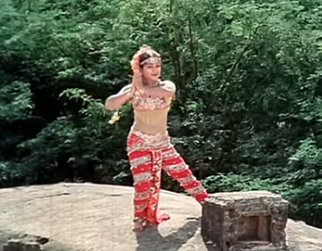
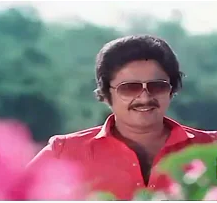
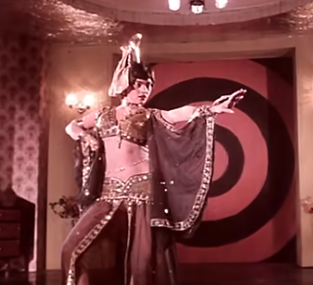
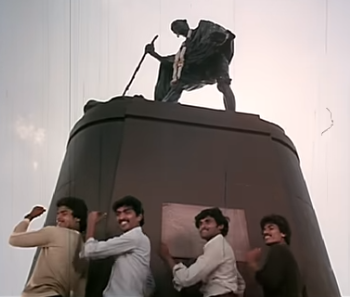
Nottu Kaattu Udane Song Lyrics is the track from Nanayam Illatha Nanayam Tamil Film – 1984, Starring Visu, Rajyalakshmi, S.Ve. Sekar, M. N. Rajam, Rajesh, Silk Smitha, Sivachandran, Kishmu. This song was sung by மலேசியா வாசுதேவன். The music was composed by Vijay Anand. Lyrics works penned by Vaali.
Track Credits & Star Cast
Music & Lyrics
Singers
Star Cast



Note-u Note-u
Kaattu Kaattu
Haeiudane kedaikkuthu seettu… Seettu
Adi note-u kaattu udane kedaikkuthu seettu
Naan padikka idamilla oru vela namakkilla
Ada iruttaa irunthaa vidivathu eppothadaa hoi
Note-u kaattu hae udane kedaikkuthu seettu
Haei udane kedaikkuthu seettu
Neeyellaam ba padichchu Kalyaanam udane mudichchu povae soraakka
Ho hoi Ho hoi
Neeyellaam ba padichchu Kalyaanam udane mudichchu povae soraakka
Ho hoi Ho hoi
Palliyarai bommaikkoru Pallikkoodam ennaththukku
Pala pulla peththukka pattam edhukkadi hoi
Note-u kaattu hae udane kedaikkuthu seettu
Haei udane kedaikkuthu seettu
Day night-u cinimaa selavu Adhanaala silukku kanavu ellaam veenaachchu
Ho hoi Ho hoi
Day night-u cinimaa selavu Adhanaala silukku kanavu ellaam veenaachchu
Ho hoi Ho hoi
Kasttapatta ungappan thuttu kandapadi vittuputtu
Edhirakaalm pudhiraa irunthaa ennaavathu haei
Note-u Note-u
Kaattu Kaattu
Haeiudane kedaikkuthu seettu… Seettu
Adi note-u kaattu udane kedaikkuthu seettu
Naan padikka idamilla oru vela namakkilla
Ada iruttaa irunthaa vidivathu eppothadaa hoi
Note-u kaattu hae udane kedaikkuthu seettu
Haei udane kedaikkuthu seettu
Song Meaning & Analysis
This song, 'Nottu Kaattu Udane', is a sharp social commentary on the prevalent corruption and societal issues of its time, delivered with a cynical yet energetic tone. The central theme revolves around the idea that money (the 'note') can instantly buy opportunities ('seat'), highlighting the corruption in systems like education where merit is overlooked. The lyrics lament the lack of opportunities for the deserving, questioning when true progress will come if darkness (corruption and injustice) persists.
The song also critiques societal expectations and the perceived futility of education for certain groups. It sarcastically points out how women might pursue higher education only to end up in traditional domestic roles, questioning the value of degrees if their ultimate purpose is seen as limited to marriage and child-rearing. Furthermore, it admonishes the youth for wasteful spending on entertainment, squandering their parents' hard-earned money, and warns about the uncertain future that awaits them if they continue on such a path. It's a poignant reflection on the disillusionment with the system and the direction society is heading.
Frequently Asked Questions
Who is the singer of Nottu Kaattu Udane?
Nottu Kaattu Udane is sung by மலேசியா வாசுதேவன்.
Which movie is Nottu Kaattu Udane from?
The song Nottu Kaattu Udane is featured in the movie Nanayam Illatha Nanayam.
Who wrote the lyrics for Nottu Kaattu Udane?
The lyrics for Nottu Kaattu Udane were written by Vaali with music composed by Vijay Anand.
Is English translation available for Nottu Kaattu Udane lyrics?
Yes! Nottu Kaattu Udane lyrics from Nanayam Illatha Nanayam include line-by-line English translation, English transliteration, and native Tamil script on Lyricsverse.
What is the meaning of Nottu Kaattu Udane lyrics?
This song, 'Nottu Kaattu Udane', is a sharp social commentary on the prevalent corruption and societal issues of its time, delivered with a cynical yet energetic tone. The central theme revolves around the idea that money (the 'note') can instantly buy opportunities ('seat'), highlighting the corruption in systems like education where merit is overlooked. The lyrics lament the lack of opportunities for the deserving, questioning when true progress will come if darkness (corruption and injustice) persists. The song also critiques societal expectations and the perceived futility of education for certain groups. It sarcastically points out how women might pursue higher education only to end up in traditional domestic roles, questioning the value of degrees if their ultimate purpose is seen as limited to marriage and child-rearing. Furthermore, it admonishes the youth for wasteful spending on entertainment, squandering their parents' hard-earned money, and warns about the uncertain future that awaits them if they continue on such a path. It's a poignant reflection on the disillusionment with the system and the direction society is heading.