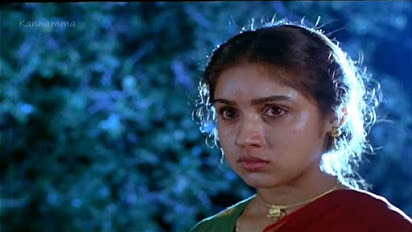
Oorellam Saamiyaga Lyrics
From the movie Deiva Vaakku
Oorellam Saamiyaga Song Lyrics is the track from Deiva Vaakku Tamil Film – 1992, Starring Karthik, Revathi, Vijayakumar, Srividya, Yuvarani, Radha Ravi, Senthil, Vadivelu, Singamuthu. This song was sung by ஜெயச்சந்திரன் மற்றும் எஸ். ஜானகி. The music was composed by Ilayaraja. Lyrics works penned by Gangai Amaran.
Track Credits & Star Cast
Music & Lyrics
Singers
Star Cast


Oorellaam saamiyaaga Paarkkum unnai
Oru thaaram endru Naanum ennalaamoo…
Oorellaam saamiyaaga Paarkkum unnai
Oru thaaram endru Naanum ennalaamoo…
Vanna kiliyae sollu kiliyae oo oo Vanna kiliyae sollu kiliyae
Oorellaam saamiyaaga Paarkkum ennai
Oru penn thaan endru Neeyum ennalaamae
Vanna kiliyae sollu kiliyae oo ooo Vanna kiliyae sollu kiliyae
Deivam varum Manidha uruvilae
Padiththadhundu yettilae Deivam endru therindha pothilae
Poottalaamo veettilae
Poojai seyum devi unmel Aasai vaithaal paavam
Naanum unnai thaaram endru Yetrukondaal dhrogam
Jeevan ulla vaan nilaavai Naanum sera koodumoo
Paavam indha paavam endru Kaalam ennai thootrumoo
Oorellaam saamiyaaga Paarkkum ennai
Oru penn thaan endru Neeyum ennalaamae
Vanna kiliyae sollu kiliyae oo ooo Vanna kiliyae sollu kiliyae
Deivam gana neram enmel Vandhu pesi pogudhu
Vandhu pesi povadhaal naan Deivam aaga koodumoo…
Ooril ulla perukellaam Vaakku sonna paavai
Unnidaththil kettu nindraal Vaarthai ondru thevai
Ennai deivam endraal enthan Vaakkum deiva vaakkuthaan
Deiva vakkai yetru kondu Vaazhkai ondru nee kodu
Aaaaaaaaaaaa Aaaaaaaaaaaaaaaa…
Aaaaaaaaaaaaaaaa…aaa Aaaaaaaaaaaa
Aaaaaaaaaaaaaaaa…
Song Meaning & Analysis
This song beautifully captures the poignant conflict between perceived divinity and human desire. The male protagonist, revered by the entire village as a deity or a saintly figure, struggles with his feelings for the female protagonist. He questions whether it's appropriate or even possible for him to consider her his wife when he is seen as divine, fearing it would be a sin or a betrayal of his sacred status. He expresses his dilemma, likening his desire to reaching for the moon, an impossible and perhaps sinful act.
The female protagonist, who herself might be an oracle or a revered figure (a 'paavai' who gives prophecies), counters his argument with a profound truth. She asserts that despite being seen as divine by others, she is fundamentally a woman with human needs and desires. She challenges his notion of divinity, stating that if he considers her divine, then her wish for a life with him is also a 'divine word' or a decree that he should accept. Her plea is for him to look beyond societal perceptions and embrace their human connection, offering him a life together based on love rather than rigid adherence to perceived sacred duties.
Frequently Asked Questions
Who is the singer of Oorellam Saamiyaga?
Oorellam Saamiyaga is sung by ஜெயச்சந்திரன் மற்றும் எஸ். ஜானகி.
Which movie is Oorellam Saamiyaga from?
The song Oorellam Saamiyaga is featured in the movie Deiva Vaakku.
Who wrote the lyrics for Oorellam Saamiyaga?
The lyrics for Oorellam Saamiyaga were written by Gangai Amaran with music composed by Ilayaraja.
Is English translation available for Oorellam Saamiyaga lyrics?
Yes! Oorellam Saamiyaga lyrics from Deiva Vaakku include line-by-line English translation, English transliteration, and native Tamil script on Lyricsverse.
What is the meaning of Oorellam Saamiyaga lyrics?
This song beautifully captures the poignant conflict between perceived divinity and human desire. The male protagonist, revered by the entire village as a deity or a saintly figure, struggles with his feelings for the female protagonist. He questions whether it's appropriate or even possible for him to consider her his wife when he is seen as divine, fearing it would be a sin or a betrayal of his sacred status. He expresses his dilemma, likening his desire to reaching for the moon, an impossible and perhaps sinful act. The female protagonist, who herself might be an oracle or a revered figure (a 'paavai' who gives prophecies), counters his argument with a profound truth. She asserts that despite being seen as divine by others, she is fundamentally a woman with human needs and desires. She challenges his notion of divinity, stating that if he considers her divine, then her wish for a life with him is also a 'divine word' or a decree that he should accept. Her plea is for him to look beyond societal perceptions and embrace their human connection, offering him a life together based on love rather than rigid adherence to perceived sacred duties.


