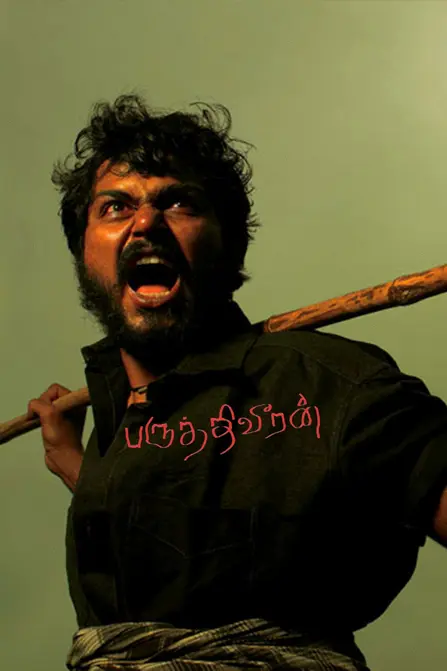
Oororam Puliamaram Lyrics
From the movie Paruthiveeran
Oororam Puliamaram Song Lyrics is the track from Paruthiveeran Tamil Film – 2007, Starring Karthi, Priyamani, Ponvannan, Saravanan, Sujatha Sivakumar, Ganja Karuppu, Sampath Raj, Samuthirakani, Ventakesh, Mu Ramaswamy. This song was sung by கலா, லட்சுமி, பாண்டி. The music was composed by Yuvan Shankar Raja. Lyrics works penned by Snehan.
Track Credits & Star Cast
Music & Lyrics
Singers


Pandi and Madurai S. Saroja
Oororam puliyamaram Olippivitta salasalangai
Oororam puliyamaram Plippivitta salasalangai
Naan pirandha madurai-yila Aalukkaalu naattaamaiyaai
Naan pirandha madurai-yila Aalukkaalu naattaamaiyaai
Kooduinamae kooduinamae Poottu vandi kaalapola
Kooduinamae kooduinamae Poottu vandi kaalapole
Maattuinamae maattuinamae Naarappaya kaiyimela
Maattuinamae maattuinamae Naarappaya kaiyimela
Naadarinja azhagigalaa Neenga enga jodi
Ungala kattikkava vachikava Sollipudungadi
Kaththarippoo ravikka potta Chinna paingkili
Kaththarippoo ravikka potta Chinna paingkili
Unna quarter-ku Oorugaya thottukkavaadi
Unna quarter-ku Oorugaya thottukkavaadi
Kuththunna ipdi thaan kuththanum
Aalillatha kaattukkulla payalae Ravusu pannum chinna thambi
Night ellaam aattampottu Enakku kaalu rendum noguthadaa
Kaalu rendum noguthadaa.
Adi raavellaam aattampottu Unakku kaalu rendum ippo nonthalenna
Inthaa paruvamulla paiyan kitta Neeyum paasaangu pannaathadi
Pannaathadi
Paruvamulla paiyan kitta Naanum paasanga pannavillai
Paasanga pannurendu neeyum Arivu kettu pesathada
Nee arivu kettu pesathada
Adi maadi mela maadi vachu Maaralavu jennal vachu
Apdi podu chiththappu
Etti etti parththaalum Eravapondati neethaandi
Aahaahaaa…
Adi kaatharuntha mooli Unna kattuvendi thaali
Adi kaatharuntha mooli Unna kattuvendi thaali
Ada intha paattu padikathadaa Enakku vekkam aaguthada
Amaa ama amaaamooi
Posagetta payalae Unakku pondati kekkuthada
Neththiyilae…ae…ae…ae… Maamoooooiii
Nethiyilae pottu vachu Panja varanum selai katti
Nethiyilae pottu vachu Panja varanum selai katti
Mathiyana veyilukkullae oththai veliyila Mathiyana veyilukkullae oththai veliyila
Nee manasu veruthu pora karanam Enakkum theriyala
Nee manasu veruthu pora karanam Enakkum theriyala
Konaang-krap vetti Kuthikaalu vetti katti
Konaang-krap vetti Kuthikaalu vetti katti
Kaasa kaatti mosam senja aambala neenga Kaasa kaatti mosam senja aambala neenga
Ungala arunjirunthu namburathu Eppadi naanga
Ungala arunjirunthu namburathu Eppadi naanga
Adiyae alli…eeeeee Ahaan aahaan ahaan
Maamoooooiii…
Alli mayirurathi Aadharaama kondaiyittu
Alli mayirurathi Aadharaama kondaiyittu
Pulli maanai pola thulli pogum vazhiyila Pulli maanai pola thulli pogum vazhiyila
Ungala purinjikitta manasu summa Irukka mudiyala
Ungala purinjikitta manasu summa Irukka mudiyala
Poda poda podippayalae Buththi ketta madappayalae
Poda poda podippayalae Buththi ketta madappayalae
Eenangetta chinnappaya Ennennamo pesuraanae
Unakkum enakkum sandai Ippo udayappoguthu mandai
Ada unakkum enakkum sandai Ippo udayappoguthu mandai
Adi en kuttapillai annakili Kitta vandhu sethi kelu
Kuttapillai annakili Kitta vanthu sethi kelu
Uruppudatha naanga iruntha Veruppu varaathu
Uruppudatha naanga iruntha Veruppu varaathu
Engala purinjikitta manasu summa Irukka vidaathu
Engala purinjikitta manasu summa Irukka vidaathu
Enna naayanakkaararae… Summa vedikka paathirukkigalae…
Vaayila vachchi oothavendiyathuthaanae… Neenga oothuriyala illa naan oothavaa…
Song Meaning & Analysis
This song, 'Oororam Puliamaram', is a vibrant and playful folk number from the critically acclaimed movie 'Paruthiveeran'. It captures the essence of rural Tamil Nadu, depicting a lively exchange between young men and women. The lyrics are filled with teasing, flirtatious banter, and light-hearted insults, reflecting the raw and uninhibited communication style often found in village settings. The men express their admiration and desire, while the women playfully resist and retort, highlighting their wit and independence. It's a classic 'pull-and-push' dynamic, characteristic of traditional folk songs that celebrate youth, love, and community spirit.
The song's mood is boisterous and energetic, punctuated by colloquialisms and rustic imagery like tamarind trees, bullock carts, and colorful sarees. It portrays a scene of communal gathering, possibly during a festival or a casual evening get-together, where singing and dancing are integral to social interaction. The playful challenges and responses between the genders create a sense of camaraderie and joy, making it an authentic representation of rural life and its simple pleasures. The concluding lines, addressing the Nadaswaram player, further emphasize its folk performance roots, inviting the musician to join in the revelry.
Frequently Asked Questions
Who is the singer of Oororam Puliamaram?
Oororam Puliamaram is sung by கலா, லட்சுமி, பாண்டி.
Which movie is Oororam Puliamaram from?
The song Oororam Puliamaram is featured in the movie Paruthiveeran.
Who wrote the lyrics for Oororam Puliamaram?
The lyrics for Oororam Puliamaram were written by Snehan with music composed by Yuvan Shankar Raja.
Is English translation available for Oororam Puliamaram lyrics?
Yes! Oororam Puliamaram lyrics from Paruthiveeran include line-by-line English translation, English transliteration, and native Tamil script on Lyricsverse.
What is the meaning of Oororam Puliamaram lyrics?
This song, 'Oororam Puliamaram', is a vibrant and playful folk number from the critically acclaimed movie 'Paruthiveeran'. It captures the essence of rural Tamil Nadu, depicting a lively exchange between young men and women. The lyrics are filled with teasing, flirtatious banter, and light-hearted insults, reflecting the raw and uninhibited communication style often found in village settings. The men express their admiration and desire, while the women playfully resist and retort, highlighting their wit and independence. It's a classic 'pull-and-push' dynamic, characteristic of traditional folk songs that celebrate youth, love, and community spirit. The song's mood is boisterous and energetic, punctuated by colloquialisms and rustic imagery like tamarind trees, bullock carts, and colorful sarees. It portrays a scene of communal gathering, possibly during a festival or a casual evening get-together, where singing and dancing are integral to social interaction. The playful challenges and responses between the genders create a sense of camaraderie and joy, making it an authentic representation of rural life and its simple pleasures. The concluding lines, addressing the Nadaswaram player, further emphasize its folk performance roots, inviting the musician to join in the revelry.