Ore Kelvi Unaai Ketpen Lyrics
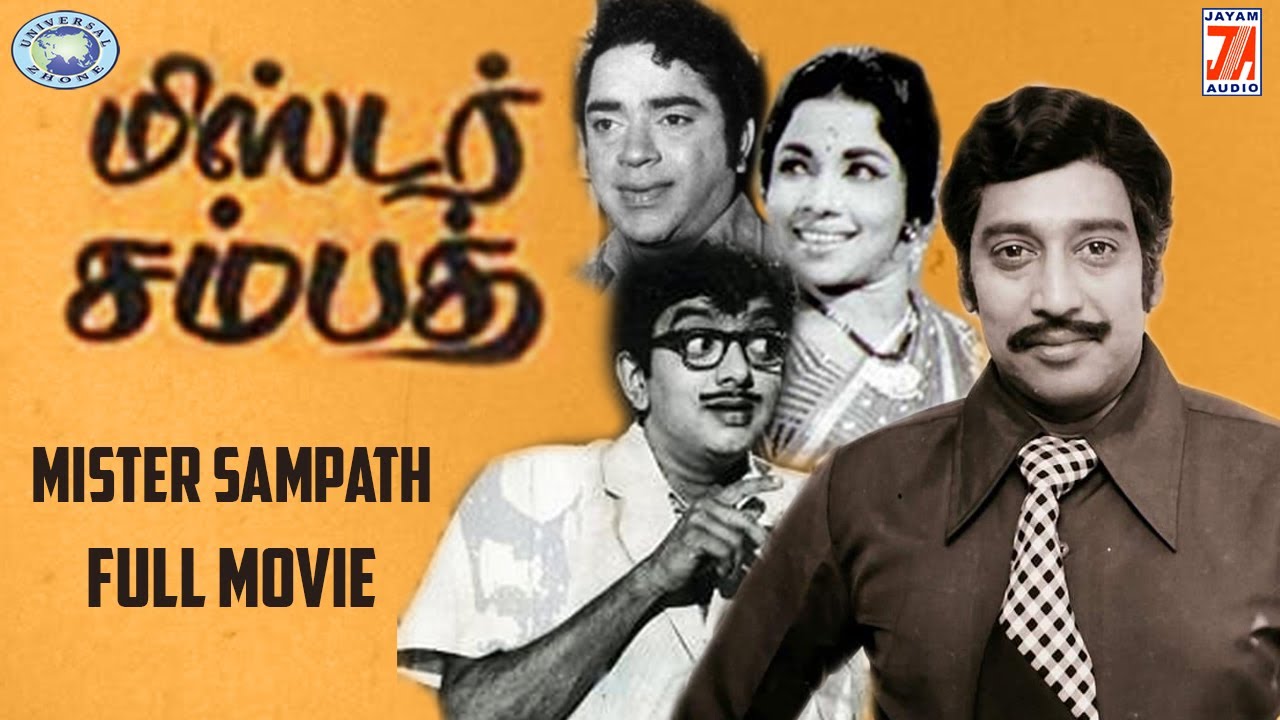
From the movie Mr.Sampath - 1972
Ore Kelvi Unaai Ketpen Song Lyrics is the track from Mr.Sampath - 1972 Tamil Film – 1972. This song was sung by எம். எஸ். விஸ்வநாதன் மற்றும் குழு. The music was composed by M. S. Vishwanathan. Lyrics works penned by Vaali.
Track Credits & Star Cast
Music & Lyrics
Singers
Star Cast
Not Specified
Oru kelvi unai ketppen Hare raama hare krishna
Hare raama hare krishna Ulagam eppo urupadumoo sol
Hare raama hare krishna Hare raama hare krishna
Oru kelvi unai ketppen Hare raama hare krishna
Ulagam eppo urupadumoo sol Hare raama hare krishna
Hare raama hare krishna Hare raama hare krishna
Pachai pulugae virpanai aaguthu Hare raama hare krishna
Hare raama hare krishna Dharmam needhi karpani aanadhu
Hare raama hare krishna Hare raama hare krishna
Pathavadharam eduthaal enna Hare raama hare krishna
Paavam innum aattam podudhu Hare raama hare krishna
Hare raama hare krishna
Oru kelvi unai ketppen Hare raama hare krishna
Ulagam eppo urupadumoo sol Hare raama hare krishna
Hare raama hare krishna
Naalum ippo kettu ponadhu Hare raama hare krishna
Hare raama hare krishna Kaalam ezhudhum theerppu ennavoo
Hare raama hare krishna Hare raama hare krishna
Riririri papapapa pipappa pipappaa Hare raama hare krishna
Hare raama hare krishna Hare raama hare krishna
Oru kelvi unai ketppen Hare raama hare krishna
Ulagam eppo urupadumoo sol Hare raama hare krishna
Hare raama hare krishna Hare raama hare krishna
Hare raama hare krishna Hare raama hare krishna
Hare raama hare krishna
Song Meaning & Analysis
This song from the 1972 film 'Mr. Sampath' is a poignant philosophical query disguised within a devotional chant. The lyricist Vaali, through the voice of M. S. Viswanathan, directly addresses the divine with a singular, profound question: "When will the world ever improve?" This question is framed against a backdrop of societal decay, where truth is replaced by blatant lies, and fundamental virtues like righteousness and justice have become mere figments of imagination. The repeated invocation of "Hare Rama Hare Krishna" serves as both a plea and a lament, highlighting the spiritual yearning for a better world amidst prevailing moral degradation.
The song further questions the efficacy of divine intervention, asking what good even ten incarnations (avatars) of God have done if sin continues to thrive and dance freely. It reflects a deep disillusionment with the state of humanity, where all aspects of life seem corrupted. The lyrics ponder the ultimate judgment that time will deliver, leaving the listener with a sense of existential reflection. Despite the somber observations, the devotional chant provides a glimmer of hope or perhaps a desperate call for divine intervention, encapsulating a timeless human struggle between faith and despair in the face of worldly imperfections.
Frequently Asked Questions
Who is the singer of Ore Kelvi Unaai Ketpen?
Ore Kelvi Unaai Ketpen is sung by எம். எஸ். விஸ்வநாதன் மற்றும் குழு.
Which movie is Ore Kelvi Unaai Ketpen from?
The song Ore Kelvi Unaai Ketpen is featured in the movie Mr.Sampath - 1972.
Who wrote the lyrics for Ore Kelvi Unaai Ketpen?
The lyrics for Ore Kelvi Unaai Ketpen were written by Vaali with music composed by M. S. Vishwanathan.
Is English translation available for Ore Kelvi Unaai Ketpen lyrics?
Yes! Ore Kelvi Unaai Ketpen lyrics from Mr.Sampath - 1972 include line-by-line English translation, English transliteration, and native Tamil script on Lyricsverse.
What is the meaning of Ore Kelvi Unaai Ketpen lyrics?
This song from the 1972 film 'Mr. Sampath' is a poignant philosophical query disguised within a devotional chant. The lyricist Vaali, through the voice of M. S. Viswanathan, directly addresses the divine with a singular, profound question: "When will the world ever improve?" This question is framed against a backdrop of societal decay, where truth is replaced by blatant lies, and fundamental virtues like righteousness and justice have become mere figments of imagination. The repeated invocation of "Hare Rama Hare Krishna" serves as both a plea and a lament, highlighting the spiritual yearning for a better world amidst prevailing moral degradation. The song further questions the efficacy of divine intervention, asking what good even ten incarnations (avatars) of God have done if sin continues to thrive and dance freely. It reflects a deep disillusionment with the state of humanity, where all aspects of life seem corrupted. The lyrics ponder the ultimate judgment that time will deliver, leaving the listener with a sense of existential reflection. Despite the somber observations, the devotional chant provides a glimmer of hope or perhaps a desperate call for divine intervention, encapsulating a timeless human struggle between faith and despair in the face of worldly imperfections.