Oththa Roova Lyrics
From the movie Nattupura Pattu
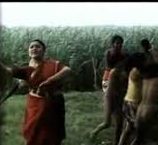
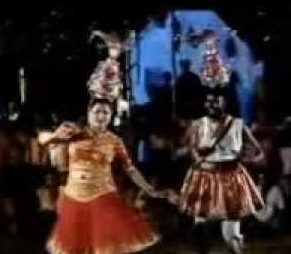
Oththa Roova Song Lyrics is the track from Nattupura Pattu Tamil Film – 1996, Starring Sivakumar, Selva, Khusbhu Sundar, Manorama, Goundamani, Senthil, Vinu Chakravarthy, G. Ramachandran, Kumarimuthu, Prem. This song was sung by அருண் மொழி மற்றும் தேவி. The music was composed by Ilayaraja. Lyrics works penned by Kasthuri Raja.
Track Credits & Star Cast
Music & Lyrics
Singers
Star Cast



Oththa roovayum thaaren Oru onappathattum thaaren
Nee oththukittu vaadi Naama oodappakkam povom
Oththa roovayum venaa Un onappathattum vena
Oththukira maatten Nee othungi nillu maamoi
Ye paththu roovayum thaaren Oru pathikkan sangili thaaren
Pachchakili vaadi nalla Padappu pakkam povom
Ye paththu roovayum vena Ompathikkan sangili vena
Pasappinikkira mama Enna usuppivida vena
Naa machchu veedum thaaren Panju meththa pottu thaaren
Mathiyaana neram vaadi Maanthoppukku povom
Ada machchu veedum veenam Un panju meththaiyum venam
Mallukku nikkira maama Un sollukku mayanga matten
Ye nanjai punjaiyum thaaren Naalu thottam eluthi thaaren
Thannikku poradhu pola Kannae kulathu pakkam vaadi
Un nanjai punjaiyum venam Nal thottam thuravum venam
Kanakku pannura maama Un kannukku sikka matten
Yei soththu pooraa thaaren Saavi kothum kaiyila thaaren
Pathara manikku mela Nee vethala kaatuku vaadi
Un sothu sugam venam En puththi ketta maamaa
Manja thaali podhum Un madiyila naan vaaren
Song Meaning & Analysis
The song "Oththa Roova" from the movie "Nattupura Pattu" portrays a charming and playful courtship between a man and a woman in a rural setting. The man, referred to as "Maama" (uncle), attempts to win the woman's affection by offering her various material possessions, starting from a single rupee and a winnowing basket, escalating to gold chains, an upstairs house, fertile lands, gardens, and eventually all his property and keys. With each offer, the woman initially rejects him with witty retorts, playfully dismissing his attempts and asserting her independence.
However, the narrative takes a sweet turn in the final stanza. The woman, having playfully resisted all his material temptations, reveals her true desire. She declares that she doesn't want his wealth or comfort, but rather the simple, yet profound, commitment symbolized by a "manja thali" (the yellow sacred thread worn by married women, akin to a mangalsutra). This signifies her acceptance of his love, not for his possessions, but for the promise of marriage and companionship, highlighting the traditional values of love and commitment over material wealth in a village backdrop.
Frequently Asked Questions
Who is the singer of Oththa Roova?
Oththa Roova is sung by அருண் மொழி மற்றும் தேவி.
Which movie is Oththa Roova from?
The song Oththa Roova is featured in the movie Nattupura Pattu.
Who wrote the lyrics for Oththa Roova?
The lyrics for Oththa Roova were written by Kasthuri Raja with music composed by Ilayaraja.
Is English translation available for Oththa Roova lyrics?
Yes! Oththa Roova lyrics from Nattupura Pattu include line-by-line English translation, English transliteration, and native Tamil script on Lyricsverse.
What is the meaning of Oththa Roova lyrics?
The song "Oththa Roova" from the movie "Nattupura Pattu" portrays a charming and playful courtship between a man and a woman in a rural setting. The man, referred to as "Maama" (uncle), attempts to win the woman's affection by offering her various material possessions, starting from a single rupee and a winnowing basket, escalating to gold chains, an upstairs house, fertile lands, gardens, and eventually all his property and keys. With each offer, the woman initially rejects him with witty retorts, playfully dismissing his attempts and asserting her independence. However, the narrative takes a sweet turn in the final stanza. The woman, having playfully resisted all his material temptations, reveals her true desire. She declares that she doesn't want his wealth or comfort, but rather the simple, yet profound, commitment symbolized by a "manja thali" (the yellow sacred thread worn by married women, akin to a mangalsutra). This signifies her acceptance of his love, not for his possessions, but for the promise of marriage and companionship, highlighting the traditional values of love and commitment over material wealth in a village backdrop.