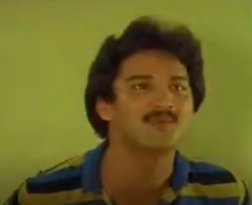
Paal Pazhangal Parimara Lyrics
From the movie Then Koodu
Paal Pazhangal Parimara Song Lyrics is the track from Then Koodu Tamil Film – 1984. This song was sung by எஸ். பி. பாலசுப்பிரமணியம் மற்றும் எஸ். ஜானகி. The music was composed by Ghantasala Vijayakumar. Lyrics works penned by Vairamuthu.
Track Credits & Star Cast
Music & Lyrics
Singers
Star Cast
Not Specified
Paal pazhangal parimara vendum Nee vazhangum pasi theera vendum
Mangaiyae thaen mangaiyae Mangaiyae thaen mangaiyae
Vaavaa naeram paarpom vaa
Paal pazhangal parimara vendum Naan vazhanga pasi theera vendum
Devanae en jeevanae Devanae en jeevanae
Vaavaa naeram paarpom vaa
Poo ondru vaan paarththathuoo… Vaan indru thaen vaarththathu
Sorkkam keezhirangi mannai thottathu Mannai thottathum ennai thottathu
Perinbam undaanathu
Paal pazhangal parimara vendum Paal pazhangal parimara vendum
Naan vanthu poochchoodavaaaa Poo enna poochchoodumaa
Gangai nadhiyae kayil varumaa Nenjam thudiththaal vetkkam vidumaa
Penmaikku raajangamaa
Paal pazhangal parimara vendum Naan vazhanga pasi theera vendum
Mangaiyae thaen mangaiyae Devanae en jeevanae
Vaa Vaa
Naeram paarpom vaa
Song Meaning & Analysis
This song, 'Paal Pazhangal Parimara' from the 1984 movie 'Then Koodu', is a deeply romantic and sensual duet that explores the themes of desire, longing, and mutual fulfillment between lovers. The lyrics, penned by Vairamuthu, use the metaphor of serving 'milk and fruits' to symbolize the intimate offerings and satisfactions exchanged in a passionate relationship. Both the male and female voices express their eagerness to satiate each other's 'hunger,' which represents not just physical yearning but also emotional and spiritual connection. The song beautifully captures the intense anticipation and joy of two souls coming together in love.
The lyrics are rich with poetic imagery, comparing the blossoming of love to a flower looking at the sky, and the sky pouring honey, signifying a sweet and natural union. The descent of heaven to touch the earth and then the self evokes a sense of divine bliss and profound personal transformation through love. The female's playful yet profound questions about adorning flowers and the Ganges river highlight her coy charm and the powerful, almost miraculous, nature of her love. The repeated invitation, "Come, let's see the time, come," underscores the lovers' impatience and eagerness to embrace their shared moments of passion and intimacy.
Frequently Asked Questions
Who is the singer of Paal Pazhangal Parimara?
Paal Pazhangal Parimara is sung by எஸ். பி. பாலசுப்பிரமணியம் மற்றும் எஸ். ஜானகி.
Which movie is Paal Pazhangal Parimara from?
The song Paal Pazhangal Parimara is featured in the movie Then Koodu.
Who wrote the lyrics for Paal Pazhangal Parimara?
The lyrics for Paal Pazhangal Parimara were written by Vairamuthu with music composed by Ghantasala Vijayakumar.
Is English translation available for Paal Pazhangal Parimara lyrics?
Yes! Paal Pazhangal Parimara lyrics from Then Koodu include line-by-line English translation, English transliteration, and native Tamil script on Lyricsverse.
What is the meaning of Paal Pazhangal Parimara lyrics?
This song, 'Paal Pazhangal Parimara' from the 1984 movie 'Then Koodu', is a deeply romantic and sensual duet that explores the themes of desire, longing, and mutual fulfillment between lovers. The lyrics, penned by Vairamuthu, use the metaphor of serving 'milk and fruits' to symbolize the intimate offerings and satisfactions exchanged in a passionate relationship. Both the male and female voices express their eagerness to satiate each other's 'hunger,' which represents not just physical yearning but also emotional and spiritual connection. The song beautifully captures the intense anticipation and joy of two souls coming together in love. The lyrics are rich with poetic imagery, comparing the blossoming of love to a flower looking at the sky, and the sky pouring honey, signifying a sweet and natural union. The descent of heaven to touch the earth and then the self evokes a sense of divine bliss and profound personal transformation through love. The female's playful yet profound questions about adorning flowers and the Ganges river highlight her coy charm and the powerful, almost miraculous, nature of her love. The repeated invitation, "Come, let's see the time, come," underscores the lovers' impatience and eagerness to embrace their shared moments of passion and intimacy.