Paaralum Deiveega Lyrics
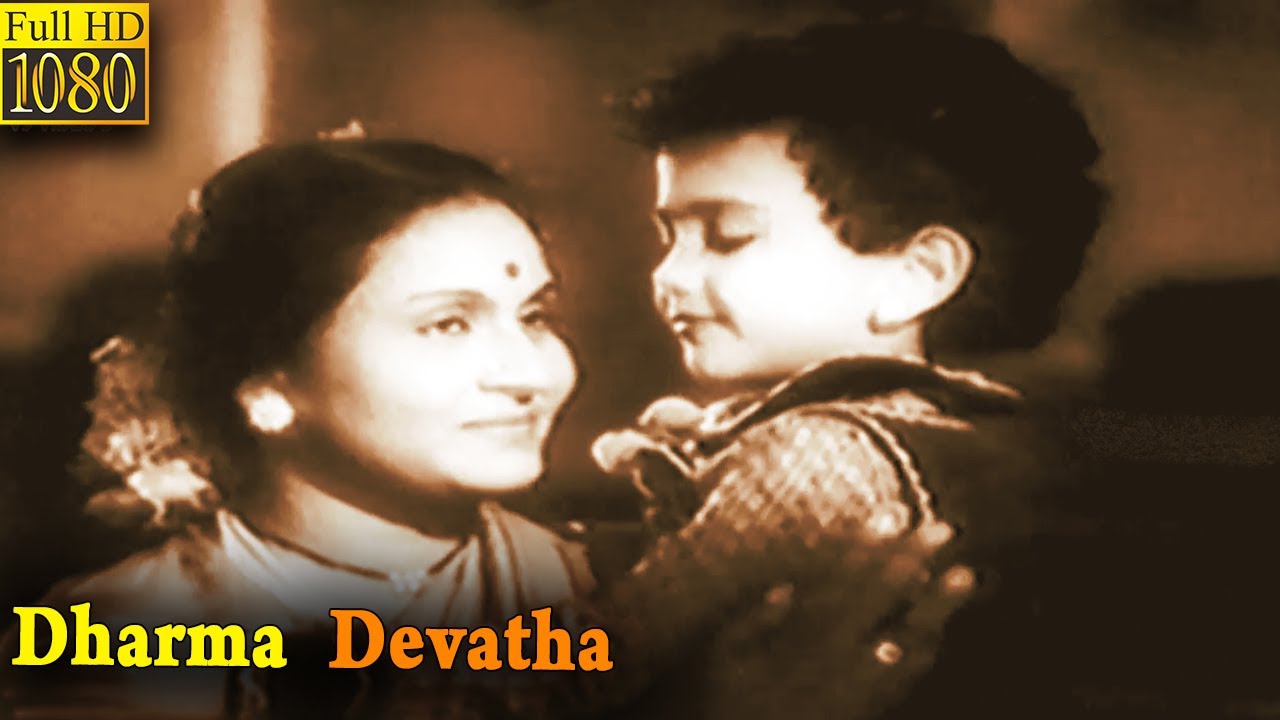
From the movie Dharma Devatha Tamil
Paaralum Deiveega Song Lyrics is the track from Dharma Devatha Tamil Tamil Film – 1952. This song was sung by டி. எஸ். பகவதி.
Track Credits & Star Cast
Music & Lyrics
Singers
Star Cast
Not Specified
Singer : T. S. Bhagavathy
Music Director : C. R. Subbaraman
Lyricist : Thanjai N. Ramaiah Dass
Aaraaroo aariraaroo aaraaroo aaroo
Paaraalum deiveega pasungiliye thaaloo
Maaraadha inbam tharum devargale vaareer
Mangaadha selvamidhai vaazhthi arulveerae
Paaraalum deiveega pasungiliye thaaloo
Music :
Vaanindru vilaiyaadum poorna chandrigaiye
Vattraadha paal surakkum valar kalaiyum neeye
Vaanindru vilaiyaadum poorna chandrigaiye
Vattraadha paal surakkum valar kalaiyum neeye
Aanandhamaaga vandhu amudham tharuvaayae
Anbaaga thaalatti aasiyarul vaayae
Aanandhamaaga vandhu amudham tharuvaayae
Anbaaga thaalatti aasiyarul vaayae
Paaraalum deiveega pasungiliye thaaloo
Music :
Pillai kali theerkka vandha thellamudhamum neeye
Paedhamaiyin irul neengum perinba seiyae
Pillai kali theerkka vandha thellamudhamum neeye
Paedhamaiyin irul neengum perinba seiyae
Allalenum kavalaiyattra aandavanum neeye
Amma nee kannuranghu aaruyirae thaaloo
Allalenum kavalaiyattra aandavanum neeye
Amma nee kannuranghu aaruyirae thaaloo
Paaraalum deiveega pasungiliye thaaloo
Maaraadha inbam tharum devargale vaareer
Mangaadha selvamidhai vaazhthi arulveerae
Paaraalum deiveega pasungiliye thaaloo
Music :
Song Meaning & Analysis
This lullaby, "Paaralum Deiveega," from the 1952 film 'Dharma Devatha Tamil,' is a tender ode to a child, portraying them as a divine and precious gift. The lyrics lovingly compare the child to a "divine green parrot ruling the world," a full moon, and an unending source of nourishment and joy. It's a prayerful song, inviting gods to bless this "unfading wealth," emphasizing the child's role in bringing immutable happiness and dispelling sorrow.
The song further elevates the child's significance by calling them the "clear nectar that came to end the sorrow of childlessness" and a "child of great bliss" who removes the darkness of ignorance. The profound emotional resonance lies in the parents' (or caregiver's) deep affection and reverence for the child, seeing them not just as offspring but as a divine manifestation, a bringer of light, and a source of ultimate peace and freedom from worldly worries. It's a classic example of how children are cherished and deified in traditional Indian culture.
Frequently Asked Questions
Who is the singer of Paaralum Deiveega?
Paaralum Deiveega is sung by டி. எஸ். பகவதி.
Which movie is Paaralum Deiveega from?
The song Paaralum Deiveega is featured in the movie Dharma Devatha Tamil.
Who wrote the lyrics for Paaralum Deiveega?
The lyrics for Paaralum Deiveega were written by Unknown with music composed by Unknown.
Is English translation available for Paaralum Deiveega lyrics?
Yes! Paaralum Deiveega lyrics from Dharma Devatha Tamil include line-by-line English translation, English transliteration, and native Tamil script on Lyricsverse.
What is the meaning of Paaralum Deiveega lyrics?
This lullaby, "Paaralum Deiveega," from the 1952 film 'Dharma Devatha Tamil,' is a tender ode to a child, portraying them as a divine and precious gift. The lyrics lovingly compare the child to a "divine green parrot ruling the world," a full moon, and an unending source of nourishment and joy. It's a prayerful song, inviting gods to bless this "unfading wealth," emphasizing the child's role in bringing immutable happiness and dispelling sorrow. The song further elevates the child's significance by calling them the "clear nectar that came to end the sorrow of childlessness" and a "child of great bliss" who removes the darkness of ignorance. The profound emotional resonance lies in the parents' (or caregiver's) deep affection and reverence for the child, seeing them not just as offspring but as a divine manifestation, a bringer of light, and a source of ultimate peace and freedom from worldly worries. It's a classic example of how children are cherished and deified in traditional Indian culture.