Paavam Seiyungal Lyrics
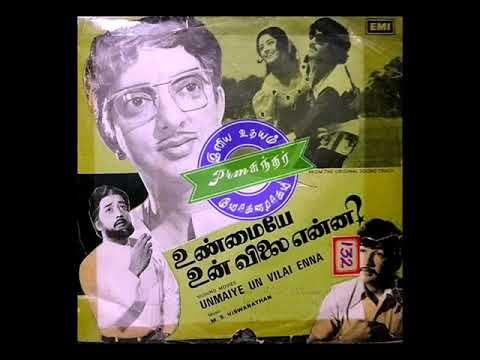
From the movie Unmaiye Un Vilai Enna
Paavam Seiyungal Song Lyrics is the track from Unmaiye Un Vilai Enna Tamil Film – 1976, Starring R. Muthuraman, S. A. Asokan, Srikanth, Vijayakumar, Cho Ramaswamy, V. K. Ramasamy, Thengai Srinivasan, Padmapriya, CID Sakunthala, Manorama. This song was sung by வாணி ஜெய்ராம் மற்றிம் பி. எஸ். சசிரேகா. The music was composed by M. S. Viswanathan. Lyrics works penned by Kannadasan.
Track Credits & Star Cast
Music & Lyrics
Singers
Star Cast


Paavam seiyyungal idhiloru Paththiram vaangungal
Paavam seiyyungal idhiloru Paththiram vaangungal
Kaalam ungalai mannippathandri Kadavulum mannippaar
Kaalam ungalai mannippathandri Kadavulum mannippaar
Pudhu paavamum seiyya anumathi tharuvaar Palanai ennippaar
Pudhu paavamum seiyya anumathi tharuvaar Palanai ennippaar
Porkaasugal enthan pettiyalittu Paavam pannippaar
Porkaasugal enthan pettiyalittu Paavam pannippaar
Paavam seiyyungal idhiloru Paththiram vaangungal
Paavaththukithuvaa parikaaram Intha paavikku idharkkaa adhikaaram
Paavaththukithuvaa parikaaram Intha paavikku idharkkaa adhikaaram
Aabaththil varuvor thoodhar Avarai kaasukku virkindraan
Ivan paavaththai vidavum kodiyavan Aanaal paathaiyil nirkindraan
Madhavazhipaadu manitharkalaalae Manitharukkaanathandro
Idhil madhagurumaargal tharagarkal aavathu Maaberum paavamandro
Madhavazhipaadu manitharkalaalae Manitharukkaanathandro
Idhil madhagurumaargal tharagarkal aavathu Maaberum paavamandro
Namakkum melae oruvan irukkum Nampikkai enakkundu
Avan nammai aalbavan karththan avanukku Vaarisu yaar undu
Adhisaya vedham bible namathu Arivukku ettiyathae
Idhil mathagurumaargal aadhikkam seivathu Mamathaiyai kaattuvathae
Saaththiram thannai kaasukku vittravan Thavarae seithuvittaan
Antha naaththigan athanai saathagamaakki Nammai thoottri vittaan
Saaththiram thannai kaasukku vittravan Thavarae seithuvittaan
Antha naaththigan athanai saathagamaakki Nammai thoottri vittaan
Mathagurumaarkal suyanalam ellaam Maranthu valarnthavargakal
Avar arivai pazhippor christhuvar allar Arivai izhanthavargal
Naraga pisaasu martinlootharai Naadu kadaththungal
Avar naattai kedukka ezhuthiyirukkum Yaettai koluththungal
Mathaguru aanaiyithu Intha martin aanaiyithu
Avanathu noolai koluththungal Avarathu aanaiyai koluththungal
Kuttram puriya thoondum noolagalao Muttrum koluththungal
Bilble mattum neengida mattra Paapaththai koluththungal
Song Meaning & Analysis
The song "Paavam Seiyungal" from the 1976 film 'Unmaiye Un Vilai Enna' is a powerful and satirical critique of religious hypocrisy and the commercialization of faith. The initial stanzas, delivered with a cynical tone, mock the idea of buying forgiveness for sins with money, suggesting that even God and time will pardon those who pay. This sets up a dramatic conflict, as the lyrics then question the authority of such "sinners" who claim to offer remedies for sin while exploiting the vulnerable. The song highlights the corruption within religious institutions, portraying religious leaders as "brokers" who profit from people's faith, a practice deemed a "great sin" itself.
The lyrics further delve into theological arguments, asserting the singular authority of God and questioning the dominance of religious leaders over sacred texts like the Bible. It criticizes those who commercialize scripture, noting how such actions provide ammunition for atheists to slander faith. The song then takes a dramatic turn, seemingly from the perspective of a corrupt religious authority, condemning Martin Luther as a "hellish devil" and calling for the burning of his writings and any other books that "incite crime," while advocating for the Bible to be the sole remaining text. This direct reference to Martin Luther and the burning of books strongly alludes to the historical context of the Protestant Reformation and the Catholic Church's response to challenges to its authority, making the song a profound commentary on religious power, corruption, and reform.
Frequently Asked Questions
Who is the singer of Paavam Seiyungal?
Paavam Seiyungal is sung by வாணி ஜெய்ராம் மற்றிம் பி. எஸ். சசிரேகா.
Which movie is Paavam Seiyungal from?
The song Paavam Seiyungal is featured in the movie Unmaiye Un Vilai Enna.
Who wrote the lyrics for Paavam Seiyungal?
The lyrics for Paavam Seiyungal were written by Kannadasan with music composed by M. S. Viswanathan.
Is English translation available for Paavam Seiyungal lyrics?
Yes! Paavam Seiyungal lyrics from Unmaiye Un Vilai Enna include line-by-line English translation, English transliteration, and native Tamil script on Lyricsverse.
What is the meaning of Paavam Seiyungal lyrics?
The song "Paavam Seiyungal" from the 1976 film 'Unmaiye Un Vilai Enna' is a powerful and satirical critique of religious hypocrisy and the commercialization of faith. The initial stanzas, delivered with a cynical tone, mock the idea of buying forgiveness for sins with money, suggesting that even God and time will pardon those who pay. This sets up a dramatic conflict, as the lyrics then question the authority of such "sinners" who claim to offer remedies for sin while exploiting the vulnerable. The song highlights the corruption within religious institutions, portraying religious leaders as "brokers" who profit from people's faith, a practice deemed a "great sin" itself. The lyrics further delve into theological arguments, asserting the singular authority of God and questioning the dominance of religious leaders over sacred texts like the Bible. It criticizes those who commercialize scripture, noting how such actions provide ammunition for atheists to slander faith. The song then takes a dramatic turn, seemingly from the perspective of a corrupt religious authority, condemning Martin Luther as a "hellish devil" and calling for the burning of his writings and any other books that "incite crime," while advocating for the Bible to be the sole remaining text. This direct reference to Martin Luther and the burning of books strongly alludes to the historical context of the Protestant Reformation and the Catholic Church's response to challenges to its authority, making the song a profound commentary on religious power, corruption, and reform.