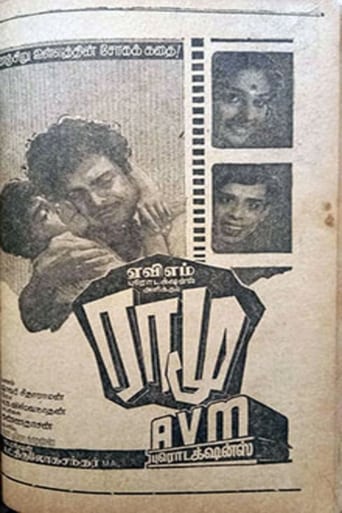
Pachai Maram Ondru (Sad) Lyrics
From the movie Ramu
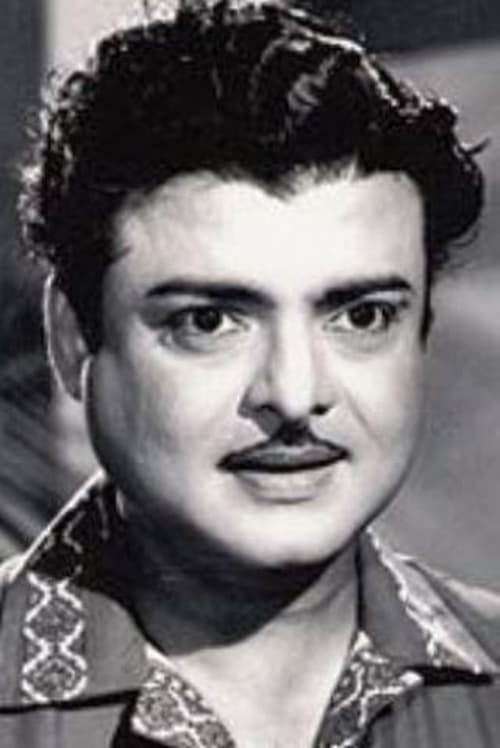
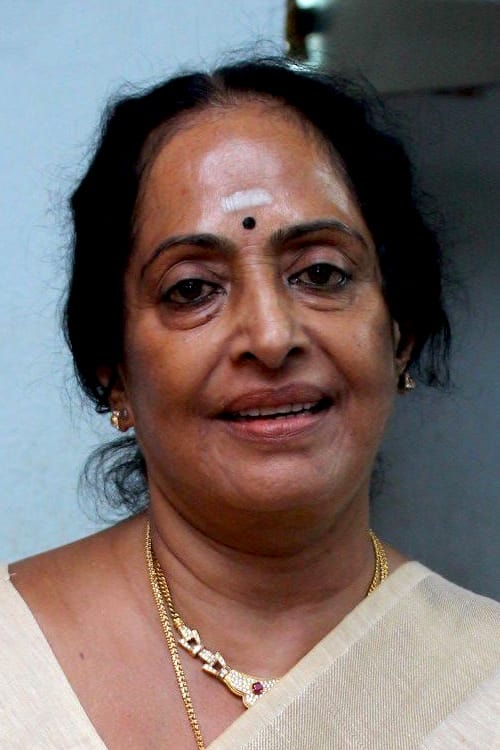
Pachai Maram Ondru (Sad) Song Lyrics is the track from Ramu Tamil Film – 1966, Starring Gemini Ganesan, K R Vijaya, Nagesh, S. A. Asokan, V. K. Ramasamy, O. A. K. Thevar, V. S. Raghavan, 'Gemini' Balu, Chittoor V. Nagayya, S. V. Subbaiah. This song was sung by பி. சுஷீலா மற்றும் ஸ்ரீநிவாஸ். The music was composed by M. S. Vishwanathan. Lyrics works penned by Kannadasan.
Track Credits & Star Cast
Music & Lyrics
Singers
Star Cast
Pachai maram ondru Ichai kili rendu (Dialogue)
Pachai maram ondru Ichai kili rendu
Paattu solli thoonga seiven aariraaro
{Pachai maram ondru Ichai kili rendu
Paattu solli thoonga seiven aariraaro} (2)
Alli thantha annai Solli thantha thanthai
Ullam konda pillai neeyallavo Alli thantha annai
Solli thantha thanthai Ullam konda pillai neeyallavo
Katti thangam endru Kannam thottu kondu
Aasai muththam thanthen aariraaro…
Pachai maram ondru Ichai kili rendu
Paattu solli thoonga seiven aariraaro
Aasai kili angae oomai kili ingae Thanthai kili nenjil amaithi engae
Aasai kili angae oomai kili ingae Thanthai kili nenjil amaithi engae
Annai endra deivam Thanthu sendra selvam
Unnai enni vaazhum kalangaathae Unnai enni vaazhum kalangaathae…
Pachai maram ondru Ichai kili rendu
Paattu solli thoonga seiven aariraaro Paattu solli thoonga seiven aariraaro
Paattu solli thoonga seiven aariraaro
Song Meaning & Analysis
This poignant lullaby from the 1966 film 'Ramu' is sung by a father to his child, reflecting deep sorrow and enduring love. The lyrics paint a picture of a lone green tree with two parrots, symbolizing the father and child, perhaps missing the third parrot (the mother). The father reminisces about the child's mother and himself, acknowledging the child as the embodiment of their love. He expresses his affection, calling the child "pure gold" and showering them with kisses, all while trying to soothe them to sleep with the traditional "aariraaro" lullaby.
The song takes a melancholic turn as the father laments the absence of the "beloved parrot" (the mother) and the presence of the "silent parrot" (the child, perhaps too young to understand or speak of the loss). He questions where peace can be found in his own heart amidst this grief. Despite his profound sadness, he reassures the child that the mother, a divine gift, left behind a precious treasure – the child itself. He pledges to live for the child, urging them not to worry, showcasing a father's unwavering commitment to nurture and protect his child through immense personal loss.
Frequently Asked Questions
Who is the singer of Pachai Maram Ondru (Sad)?
Pachai Maram Ondru (Sad) is sung by பி. சுஷீலா மற்றும் ஸ்ரீநிவாஸ்.
Which movie is Pachai Maram Ondru (Sad) from?
The song Pachai Maram Ondru (Sad) is featured in the movie Ramu.
Who wrote the lyrics for Pachai Maram Ondru (Sad)?
The lyrics for Pachai Maram Ondru (Sad) were written by Kannadasan with music composed by M. S. Vishwanathan.
Is English translation available for Pachai Maram Ondru (Sad) lyrics?
Yes! Pachai Maram Ondru (Sad) lyrics from Ramu include line-by-line English translation, English transliteration, and native Tamil script on Lyricsverse.
What is the meaning of Pachai Maram Ondru (Sad) lyrics?
This poignant lullaby from the 1966 film 'Ramu' is sung by a father to his child, reflecting deep sorrow and enduring love. The lyrics paint a picture of a lone green tree with two parrots, symbolizing the father and child, perhaps missing the third parrot (the mother). The father reminisces about the child's mother and himself, acknowledging the child as the embodiment of their love. He expresses his affection, calling the child "pure gold" and showering them with kisses, all while trying to soothe them to sleep with the traditional "aariraaro" lullaby. The song takes a melancholic turn as the father laments the absence of the "beloved parrot" (the mother) and the presence of the "silent parrot" (the child, perhaps too young to understand or speak of the loss). He questions where peace can be found in his own heart amidst this grief. Despite his profound sadness, he reassures the child that the mother, a divine gift, left behind a precious treasure – the child itself. He pledges to live for the child, urging them not to worry, showcasing a father's unwavering commitment to nurture and protect his child through immense personal loss.