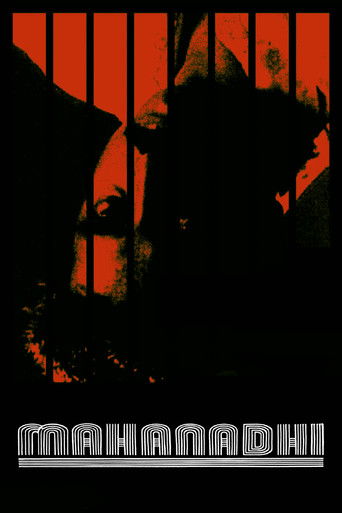
Peigala Bhoodhama Lyrics
From the movie Mahanadhi
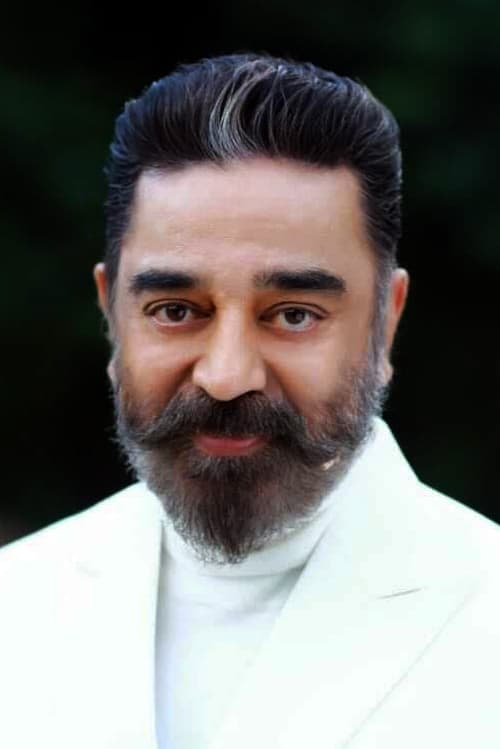
Peigala Bhoodhama Song Lyrics is the track from Mahanadhi Tamil Film – 1994, Starring Kamal Haasan, Poornam Viswanathan, S. N. Lakshmi, Cochin Haneefa, Sukanya, Mahanadhi Shobana, Mahanadi Dinesh, Mahanadhi Shankar, Rajesh, Tulasi. This song was sung by கமல் ஹாசன் மற்றும் சண்முகசுந்தரி. The music was composed by Ilayaraja. Lyrics works penned by Vaali.
Track Credits & Star Cast
Singers
Star Cast

Peigalaa boodhamaa
Aaviyaa alaiyudhaa
Chi peigala nambaadhae Pinjila vembaadhae
Nee yosi doi Ada naaloru poi vaakku
Solbavan punnaakku Kaal dhoosi hoi
Achangal enum boodham Unai andaamal adhai ottu
Poochaandi dhinam kaattum Avar pechellaam vilaiyaattu
Adhil yemaandhaa manam dhinam kedum Peigala…
Aa peigala nambaadhae Pinjila vembaadhae
Nee yosi doi Ada naaloru poi vaakku
Solbavan punnaakku Kaal dhoosi hoi
Edhai yaaru sonna podhum Edhir kelvi onnu kelu
Periyorgal sonna paadam Arivaalae edai podu
Or naalum unakku Koodaadhu bayamae
Aaraaindhu edhaiyum Nee kaanu nijamae
Mooda ennathai thee vaithu moottu Acham illaennu nee vaazhndhu kaattu
Yaelaei…
Peei pisaasu
Ha ha ha Neengalaa naa yaaro ennamo
Ha ha ha ha ha
Yeichiputtaalae paatti yeichiputtaalae
Yeichiputtaalae paatti yeichiputtaalae Pei poyaachu ippo paatti vandhaachu
Maappulae maappulae thelinjidhaa Illa veppala veppala adikkavaa
Paattiyaa illa boodhamaa Ippo arala merala venaa peigala
Peigala nambaadhae Pinjila vembaadhae
Nee yosi doi…yaa
Uzhaikkaama vambu pesi Alaivaanae avan peyi
Panam serkka paadhai maari Parappaanae avan boodham
Veeraadhi veeran nee endru ulavu Or naalum dhisaiyai maatraadhu nilavu
Nee nerukku ner nindru paaru Edhaiyum yen endru yedhendru kelu hoi
Chi chi chi Peigala nambaadhae
Pinjila vembaadhae Nee yosi doi
Naaloru poi vaakku Solbavan punnaakku
Kaal dhoosi hoi Achangal enum boodham
Unai andaamal adhai ottu Adhil yemaandhaa manam
Dhinam kedum
Thaananaa thaanaanaa thaananaa thaanaanaa Thaa naa naa naa…
Thaananaa thaanaanaa thaananaa thaanaanaa Thaa naa naa naa…
Ha… haaaa…haaaa… haa
Ho ho paatti…
Song Meaning & Analysis
This song from 'Mahanadhi' is a powerful and direct message against superstition, blind faith, and fear-mongering. Sung by Kamal Haasan, it acts as a philosophical interlude, urging listeners, especially the young, to embrace rational thought and critical inquiry. The lyrics challenge the belief in ghosts and ghouls, equating those who spread such fears or make false promises to worthless individuals. It encourages questioning everything, weighing advice with intellect, and living fearlessly by confronting reality head-on rather than succumbing to baseless anxieties.
The song cleverly uses the imagery of ghosts and bogeymen to represent irrational fears and deceptive influences. It champions self-reliance and courage, asserting that true 'ghosts' are those who are idle, spread gossip, or resort to dishonest means for wealth. The narrative shifts playfully when a 'grandma' character is introduced, initially seeming to be part of the superstition, but then revealing the trick, reinforcing the idea that such fears are often manufactured or easily dispelled with a clear mind. Ultimately, it's an anthem for intellectual awakening and living a life free from the shackles of unfounded dread.
Frequently Asked Questions
Who is the singer of Peigala Bhoodhama?
Peigala Bhoodhama is sung by கமல் ஹாசன் மற்றும் சண்முகசுந்தரி.
Which movie is Peigala Bhoodhama from?
The song Peigala Bhoodhama is featured in the movie Mahanadhi.
Who wrote the lyrics for Peigala Bhoodhama?
The lyrics for Peigala Bhoodhama were written by Vaali with music composed by Ilayaraja.
Is English translation available for Peigala Bhoodhama lyrics?
Yes! Peigala Bhoodhama lyrics from Mahanadhi include line-by-line English translation, English transliteration, and native Tamil script on Lyricsverse.
What is the meaning of Peigala Bhoodhama lyrics?
This song from 'Mahanadhi' is a powerful and direct message against superstition, blind faith, and fear-mongering. Sung by Kamal Haasan, it acts as a philosophical interlude, urging listeners, especially the young, to embrace rational thought and critical inquiry. The lyrics challenge the belief in ghosts and ghouls, equating those who spread such fears or make false promises to worthless individuals. It encourages questioning everything, weighing advice with intellect, and living fearlessly by confronting reality head-on rather than succumbing to baseless anxieties. The song cleverly uses the imagery of ghosts and bogeymen to represent irrational fears and deceptive influences. It champions self-reliance and courage, asserting that true 'ghosts' are those who are idle, spread gossip, or resort to dishonest means for wealth. The narrative shifts playfully when a 'grandma' character is introduced, initially seeming to be part of the superstition, but then revealing the trick, reinforcing the idea that such fears are often manufactured or easily dispelled with a clear mind. Ultimately, it's an anthem for intellectual awakening and living a life free from the shackles of unfounded dread.
Song Details
More from Mahanadhi
Anbana Thayai
Mahanadhi • Ilayaraja
எஸ். பி. பாலசுப்ரமணியம்
Engeyo Thikkudesai
Mahanadhi • Ilayaraja
கமல்ஹாசன்
Pirar Vaada
Mahanadhi • Ilayaraja
கமல்ஹாசன்
Pongalo Pongal
Mahanadhi • Ilayaraja
கே. எஸ். சித்ரா மற்றும் குழு
Solladha Raagangal
Mahanadhi • Ilayaraja
எஸ். பி. பாலசுப்ரமணியம் மற்றும் எஸ். ஜானகி
Sri Ranga Ranganathanin
Mahanadhi • Ilayaraja
எஸ். பி. பாலசுப்ரமணியம், உமா ரமணன்