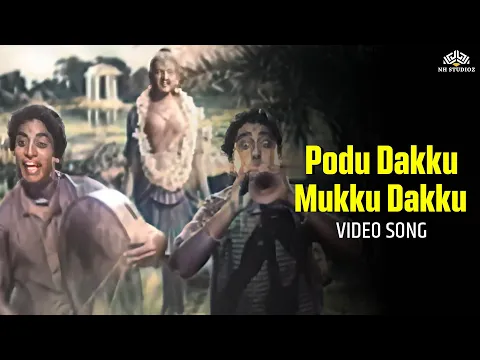
Podu Takkumukku Lyrics
From the movie Rambaiyin Kathal
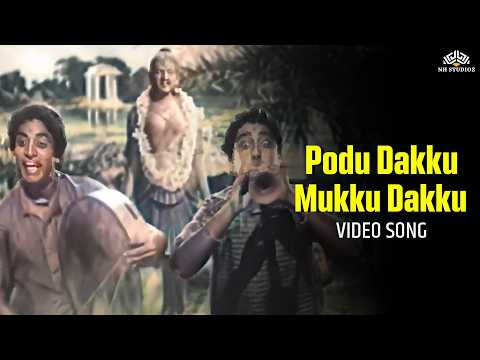
Podu Takkumukku Song Lyrics is the track from Rambaiyin Kathal Tamil Film – 1956. This song was sung by ஜிக்கி மற்றும் ஸ். சி. கிருஷ்ணன்.
Track Credits & Star Cast
Music & Lyrics
Singers
Star Cast
Not Specified
Singers : Jikki and S. C. Krishnan
Music Director : T. R. Pappa
Lyricist : A. Maruthakasi
Both and Chorus : Podu takkumukku takkuthaalam Kottu jikkumukku jikki melam
Podu takkumukku takkuthaalam Kottu jikkumukku jikki melam
Namma makku ponnu maappillaikku Aayiduchu kalyaanam
Podu takkumukku takkuthaalam Kottu jikkumukku jikki melam
Namma makku ponnu maappillaikku Aayiduchu kalyaanam
Podu takkumukku takkuthaalam Kottu jikkumukku jikki melam
Muthupallakku melae adhuga Ukkaandhu oorvalam
Muthupallakku melae adhuga Ukkaandhu oorvalam
Suthi vara seiya venum Suthi vara seiya venum
Andha sogusaiyum pakka venum Namma makku ponnu maappillaikku
Aayiduchu kalyaanam Podu takkumukku takkuthaalam
Kottu jikkumukku jikki melam
Nadhaswaram oodha venum Nadhaswaram oodha venum
Mayil naatiyamum veikka venum Naalu peru kaana venum
Naam kaeli ellaam panna venum Naalu peru kaana venum
Naam kaeli ellaam panna venum
Both and Chorus : Namma makku ponnu maappillaikku Aayiduchu kalyaanam
Podu takkumukku takkuthaalam Kottu jikkumukku jikki melam
Namma makku ponnu maappillaikku Aayiduchu kalyaanam
Podu takkumukku takkuthaalam Kottu jikkumukku jikki melam
Song Meaning & Analysis
This song is a vibrant and joyous celebration of a wedding, filled with the excitement and traditional revelry of a Tamil marriage. The lyrics repeatedly call for the playing of drums and traditional instruments with onomatopoeic sounds like "takkumukku" and "jikkumukku," setting an energetic and festive mood. The central theme revolves around the marriage of "our innocent girl and her groom," suggesting a community's affectionate involvement in the union. The playful term "makku ponnu" (innocent/simple girl) adds a touch of endearment and lightheartedness to the occasion, highlighting the communal joy surrounding the couple.
The song further elaborates on the wedding festivities, envisioning a grand procession where the couple rides in a pearl palanquin, a symbol of luxury and tradition. The desire to witness this "grandeur" and to have many people observe the event underscores the importance of community participation and shared happiness. The call for Nadaswaram music and peacock dances emphasizes the rich cultural elements expected at a traditional South Indian wedding. The lyrics also express a desire for playful teasing ("kaeli panna"), a common and cherished custom that adds to the merriment and bonding during such celebrations, making the event memorable and full of warmth.
Frequently Asked Questions
Who is the singer of Podu Takkumukku?
Podu Takkumukku is sung by ஜிக்கி மற்றும் ஸ். சி. கிருஷ்ணன்.
Which movie is Podu Takkumukku from?
The song Podu Takkumukku is featured in the movie Rambaiyin Kathal.
Who wrote the lyrics for Podu Takkumukku?
The lyrics for Podu Takkumukku were written by Unknown with music composed by Unknown.
Is English translation available for Podu Takkumukku lyrics?
Yes! Podu Takkumukku lyrics from Rambaiyin Kathal include line-by-line English translation, English transliteration, and native Tamil script on Lyricsverse.
What is the meaning of Podu Takkumukku lyrics?
This song is a vibrant and joyous celebration of a wedding, filled with the excitement and traditional revelry of a Tamil marriage. The lyrics repeatedly call for the playing of drums and traditional instruments with onomatopoeic sounds like "takkumukku" and "jikkumukku," setting an energetic and festive mood. The central theme revolves around the marriage of "our innocent girl and her groom," suggesting a community's affectionate involvement in the union. The playful term "makku ponnu" (innocent/simple girl) adds a touch of endearment and lightheartedness to the occasion, highlighting the communal joy surrounding the couple. The song further elaborates on the wedding festivities, envisioning a grand procession where the couple rides in a pearl palanquin, a symbol of luxury and tradition. The desire to witness this "grandeur" and to have many people observe the event underscores the importance of community participation and shared happiness. The call for Nadaswaram music and peacock dances emphasizes the rich cultural elements expected at a traditional South Indian wedding. The lyrics also express a desire for playful teasing ("kaeli panna"), a common and cherished custom that adds to the merriment and bonding during such celebrations, making the event memorable and full of warmth.
Music Video