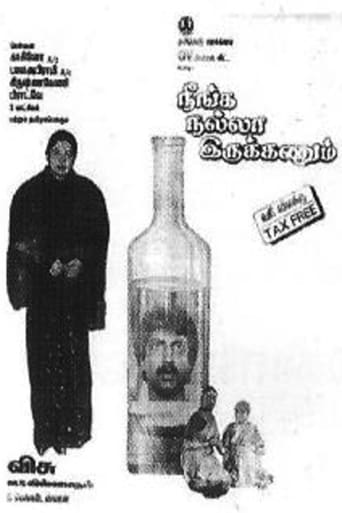
Poongathu Lyrics
From the movie Neenga Nalla Irukkanum
Poongathu Song Lyrics is the track from Neenga Nalla Irukkanum Tamil Film – 1992, Starring Nizhalgal Ravi, Bhanupriya, Visu, Vagai Chandrasekar, Manorama, Major Sundarrajan, Srividya, J. Jayalalithaa. This song was sung by எஸ். பி. பாலசுப்ரமணியம். The music was composed by M. S. Vishwanathan. Lyrics works penned by Vaali.
Track Credits & Star Cast
Music & Lyrics
Singers
Star Cast


Poongaathu paattu paada Pudhu naathu aattam poda
Aalam viludil paalam podum andhi poo Anudhinam sandhippu
Poongaathu paattu paada Pudhu naathu aattam poda
Aalam viludil paalam podum andhi poo Anudhinam sandhippu
Nandoorum nari oorum Vilaiyaattilae
Naal dhorum poo vaasam Maan thoppilae
Sodhanai nerungaadha sondhagalil Azhagiya andhi poo anudhinam sandhippu
Hari hari hoo oo oo oo oo
Poongaathu paattu paada Pudhu naathu aattam poda
Aalam viludil paalam podum andhi poo Anudhinam sandhippu
Maesthiri illaamal saathiram paaramal Azhagaai manalil veedu katti
Viralaal vaasalil kolam ittu Aduppum illamal arisiyum vaangaamal
Padhamaai kurumanal soru pongi Padaipaal arusuvai maamanukku
Thithikkum mettukkal thirakaadha paattukkal Uyiraai inaivadhu inbam thaan
Pudhu pudhu muthukkal Kani tharum vithukkal
Hari hari hoo oo oo oo oo
Poongaathu paattu paada Pudhu naathu aattam poda
Aalam viludil paalam podum andhi poo Anudhinam sandhippu
Pana sumai ingu illai Mana sumai indrillai
Kadhavum kaavalum yedhum illai Kavalai regaiyum kaanavillai
Sirippinil thappillai Seeniyil uppillai
Nayamaai valaruthu paasangalae Suyamaai perugudhu nesangalae
Nadhi karai orathil piranthidum raagathil Veguvaai isaikkudhu mel isai
Pudhu pudhu muthukkal Kani tharum vithukkal
Hari hari hoo oo oo oo oo
Poongaathu paattu paada Pudhu naathu aattam poda
Aalam viludil paalam podum andhi poo Anudhinam sandhippu
Song Meaning & Analysis
The song 'Poongathu' paints an idyllic picture of a simple, carefree existence, likely set in a rural or natural environment. It evokes a sense of innocence and joy, possibly from the perspective of children or a community living in harmony with nature. The lyrics beautifully describe everyday occurrences like the breeze singing, saplings dancing, and the banyan tree's roots forming bridges, symbolizing the natural flow and interconnectedness of life. It highlights the beauty found in simple pleasures, imaginative play, and relationships free from the complexities and burdens of the material world.
The core theme revolves around freedom from worldly worries – financial burdens, mental stress, and the need for security. It celebrates pure, unadulterated happiness, where laughter is faultless, affections grow naturally, and life unfolds gracefully like a melody by the river. The imagery of building sandcastles, cooking imaginary meals, and the constant meeting of the 'evening flower' suggests a recurring cycle of simple joys and communal harmony, emphasizing that true contentment lies in purity, nature, and unburdened relationships.
Frequently Asked Questions
Who is the singer of Poongathu?
Poongathu is sung by எஸ். பி. பாலசுப்ரமணியம்.
Which movie is Poongathu from?
The song Poongathu is featured in the movie Neenga Nalla Irukkanum.
Who wrote the lyrics for Poongathu?
The lyrics for Poongathu were written by Vaali with music composed by M. S. Vishwanathan.
Is English translation available for Poongathu lyrics?
Yes! Poongathu lyrics from Neenga Nalla Irukkanum include line-by-line English translation, English transliteration, and native Tamil script on Lyricsverse.
What is the meaning of Poongathu lyrics?
The song 'Poongathu' paints an idyllic picture of a simple, carefree existence, likely set in a rural or natural environment. It evokes a sense of innocence and joy, possibly from the perspective of children or a community living in harmony with nature. The lyrics beautifully describe everyday occurrences like the breeze singing, saplings dancing, and the banyan tree's roots forming bridges, symbolizing the natural flow and interconnectedness of life. It highlights the beauty found in simple pleasures, imaginative play, and relationships free from the complexities and burdens of the material world. The core theme revolves around freedom from worldly worries – financial burdens, mental stress, and the need for security. It celebrates pure, unadulterated happiness, where laughter is faultless, affections grow naturally, and life unfolds gracefully like a melody by the river. The imagery of building sandcastles, cooking imaginary meals, and the constant meeting of the 'evening flower' suggests a recurring cycle of simple joys and communal harmony, emphasizing that true contentment lies in purity, nature, and unburdened relationships.